
The University of Latvia Library: A Short Overview of Its Special Collections
by Klāvs Zariņš, PhD, and Aija Taimiņa, Dr. philol., University of Latvia Library
Share this article
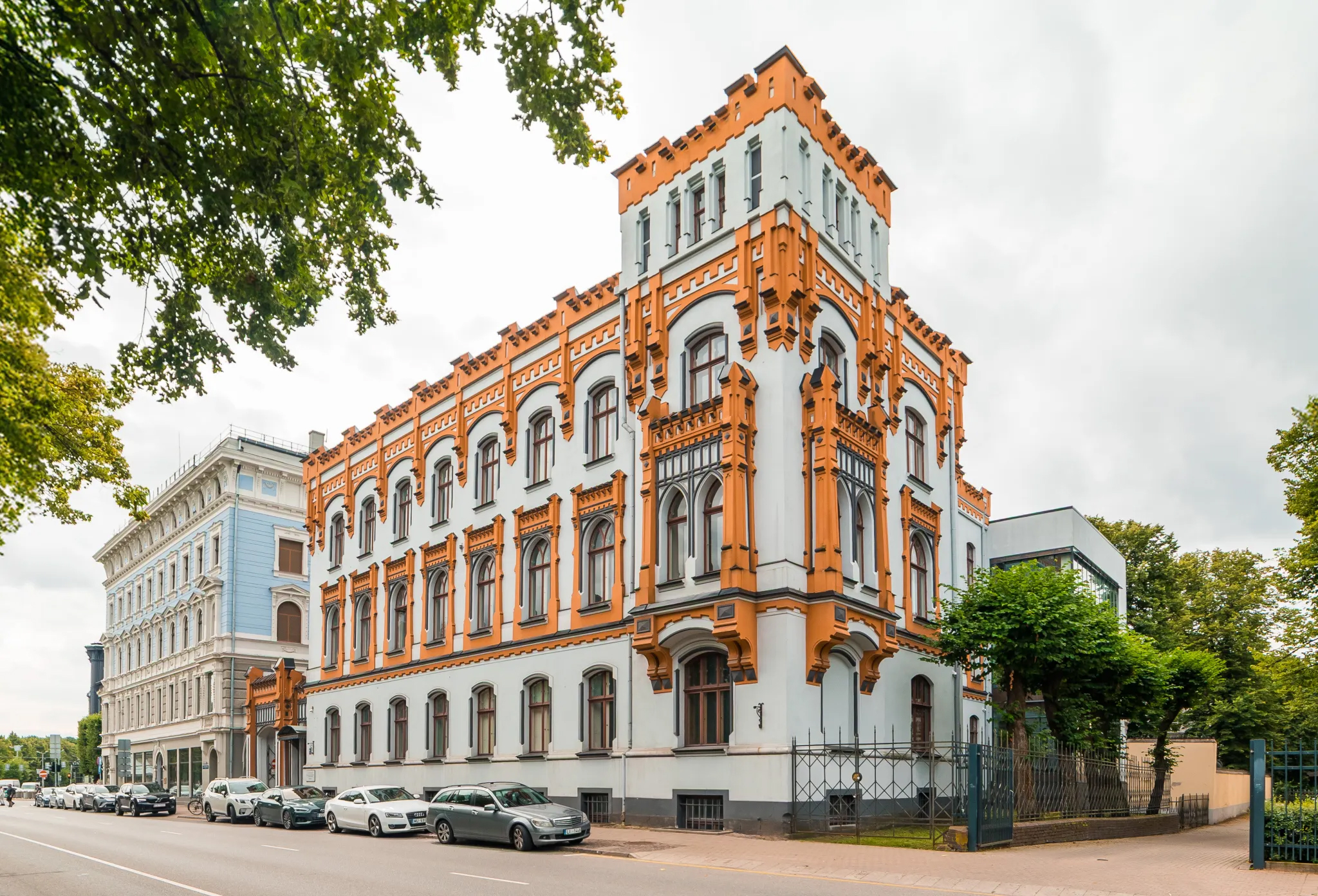
The University of Latvia Library building at Kalpaka Boulevard 4, Riga. Photo by Toms Grīnbergs, UL.
In June 2026, the University of Latvia Library (UL Library) became the first academic university library in Latvia to join CERL as a Special Member. Becoming part of this community provides us with an opportunity to share the stories behind our collections and to highlight Latvia’s contribution to upholding the preserved written heritage of Europe. In this blogpost, we would like not only to provide a brief overview of our history, but also to highlight some of the most significant collections that lie at the heart of our Library and are available to both researchers and the wider public.
Incunabula and Early Printed Books
The UL Library in its current institutional form was established in 2024, following a merger with the Academic Library of the University of Latvia. However, the history of its rich collections and traditions reaches back more than five centuries. Today’s UL Library brings together two distinguished traditions: the university library founded during the Latvian War of Independence in 1919, and the much older lineage of the Academic Library, whose origins can be traced back to the Riga City Library (Bibliotheca Rigensis), established in 1524. Founded during the Reformation in response to Martin Luther’s call to establish public libraries, Bibliotheca Rigensis is regarded as one of the oldest public libraries in Northern Europe.
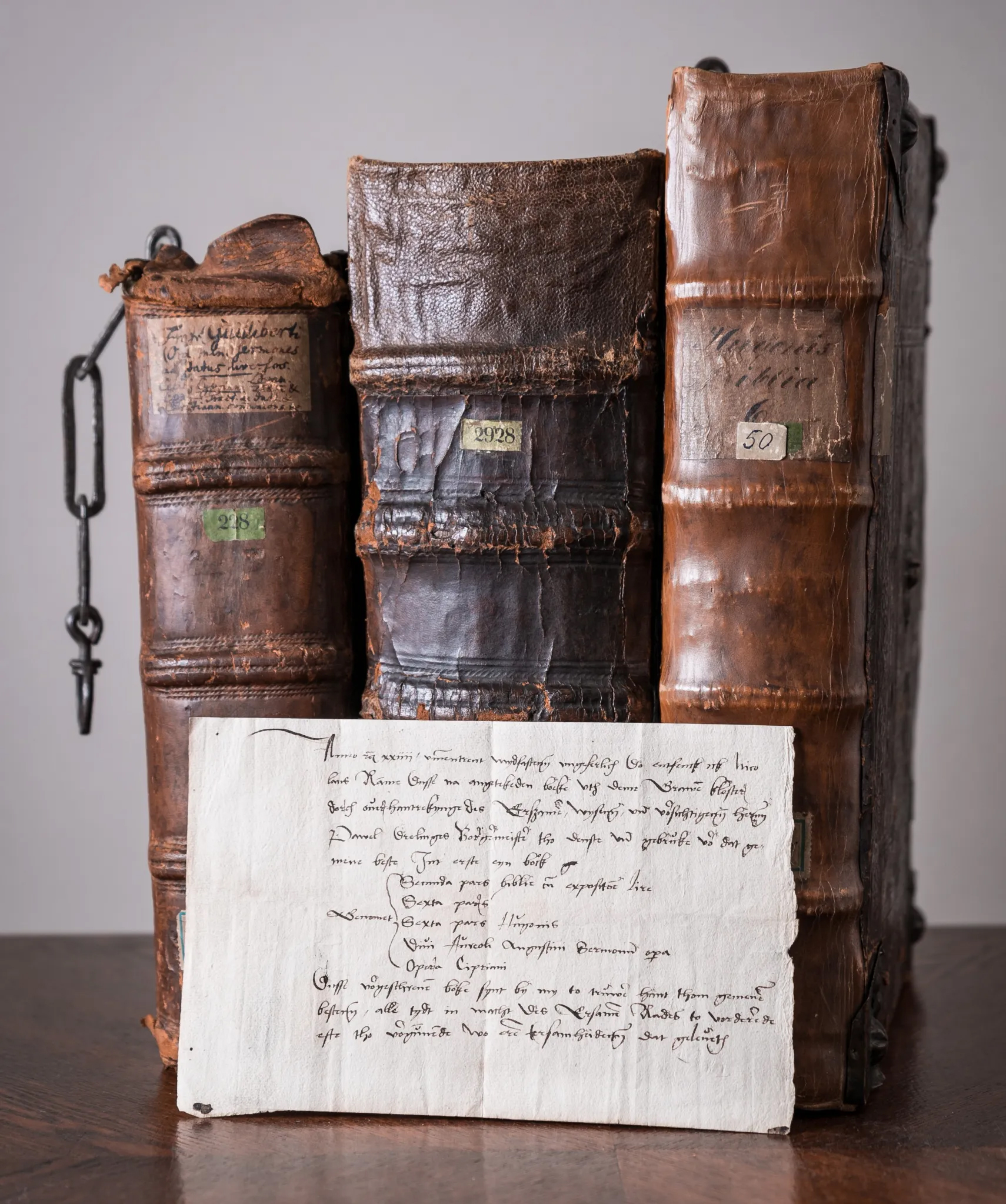
Fig. 1: Books from the first Riga City Library, acquired from the Catholic monasteries of Riga in 1524.
Originally, the Riga City Library was formed from the book collections of the closed (secularised) Franciscan and Dominican monasteries. It was later supplemented by donations and bequests.
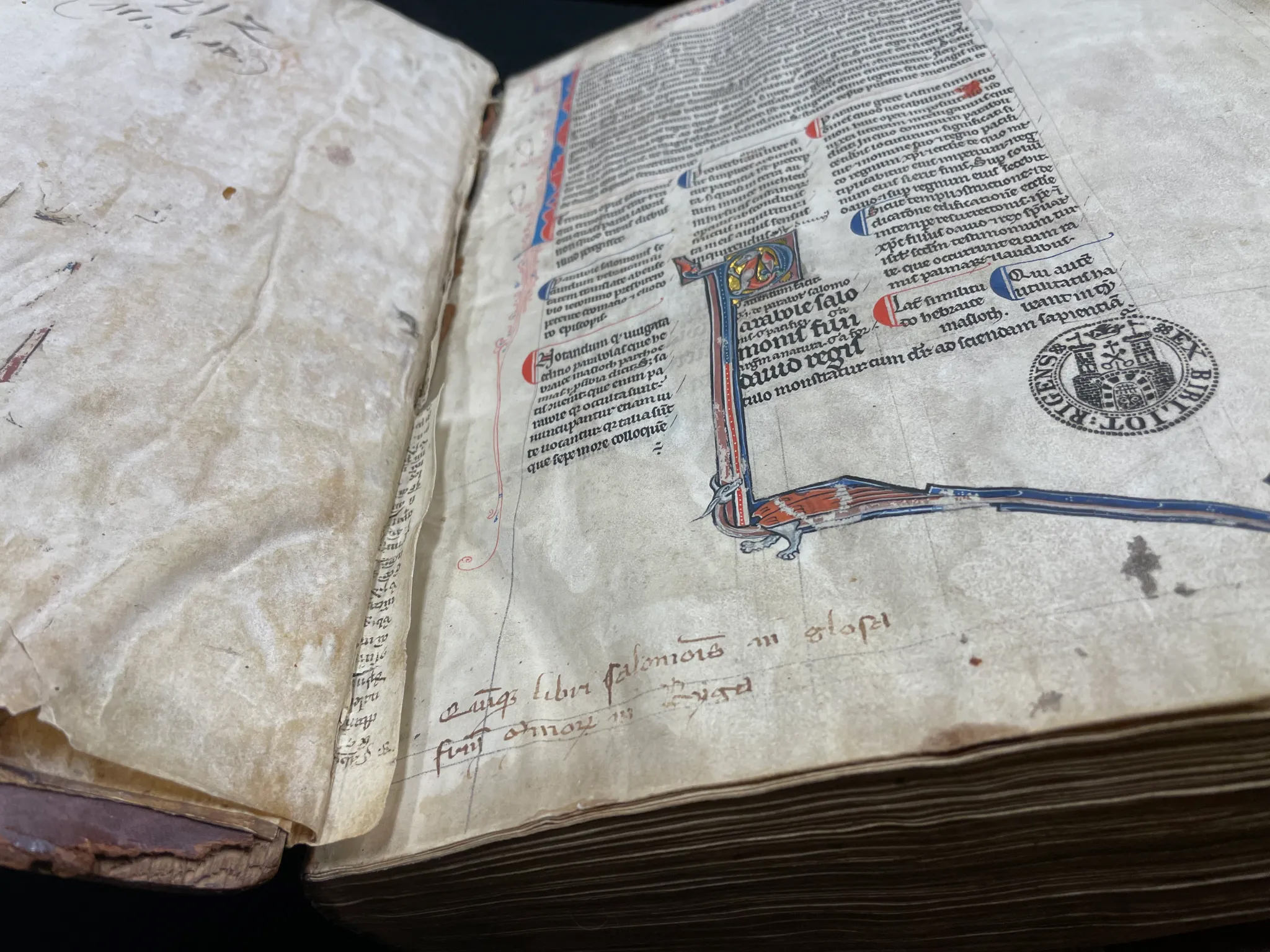
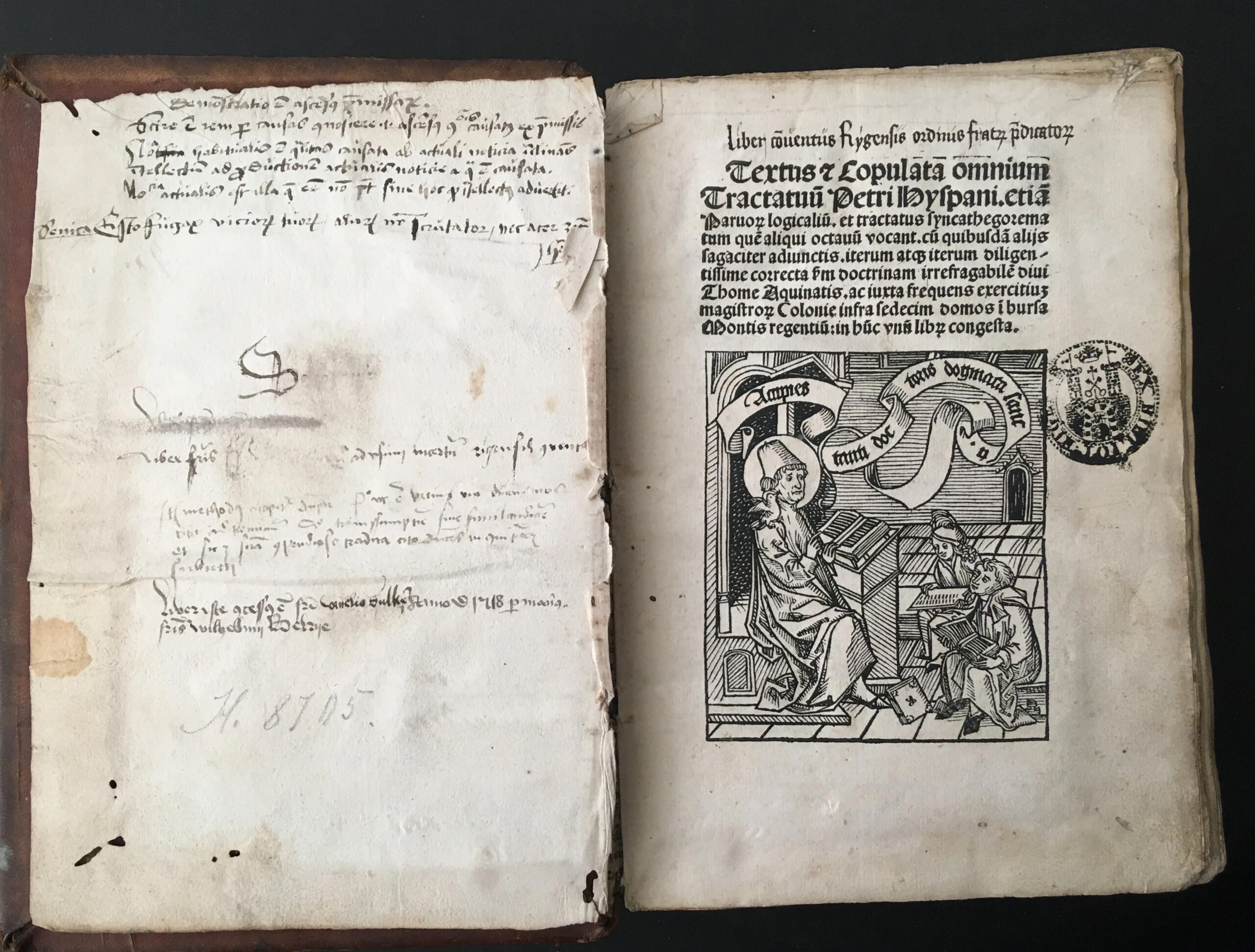
Fig. 2: Parabolae Salomonis cum commentariis. Manuscript. [France, ?Paris, ?1240-1270]. Parchment. With a record of provenance from the Franciscan monastery in Riga. Ms.4.
Fig. 3: Petrus Hispanus. Copulata tractatuum. [Nürnberg: Anton Koberger, 1494]. A book with the provenance record of the Dominican convent in Riga. IK 159.
It continued to flourish throughout the Age of Enlightenment, when the young German philosopher Johann Gottfried Herder worked in Riga as a teacher at the Cathedral School and a city librarian between 1764 and 1769.
Today, the legacy of Bibliotheca Rigensis continues at the UL Library through the Department of Rare Editions and Manuscripts, preserving its historical collections for our academic community. At the core of these collections lie the incunabula, which are unique in many respects. The UL Library holds more than 210 incunabula, printed before 1500. The earliest incunabulum preserved is a page from the Latin textbook Catholicon, which is believed to have been printed by Johann Gutenberg himself in 1460 in Mainz.
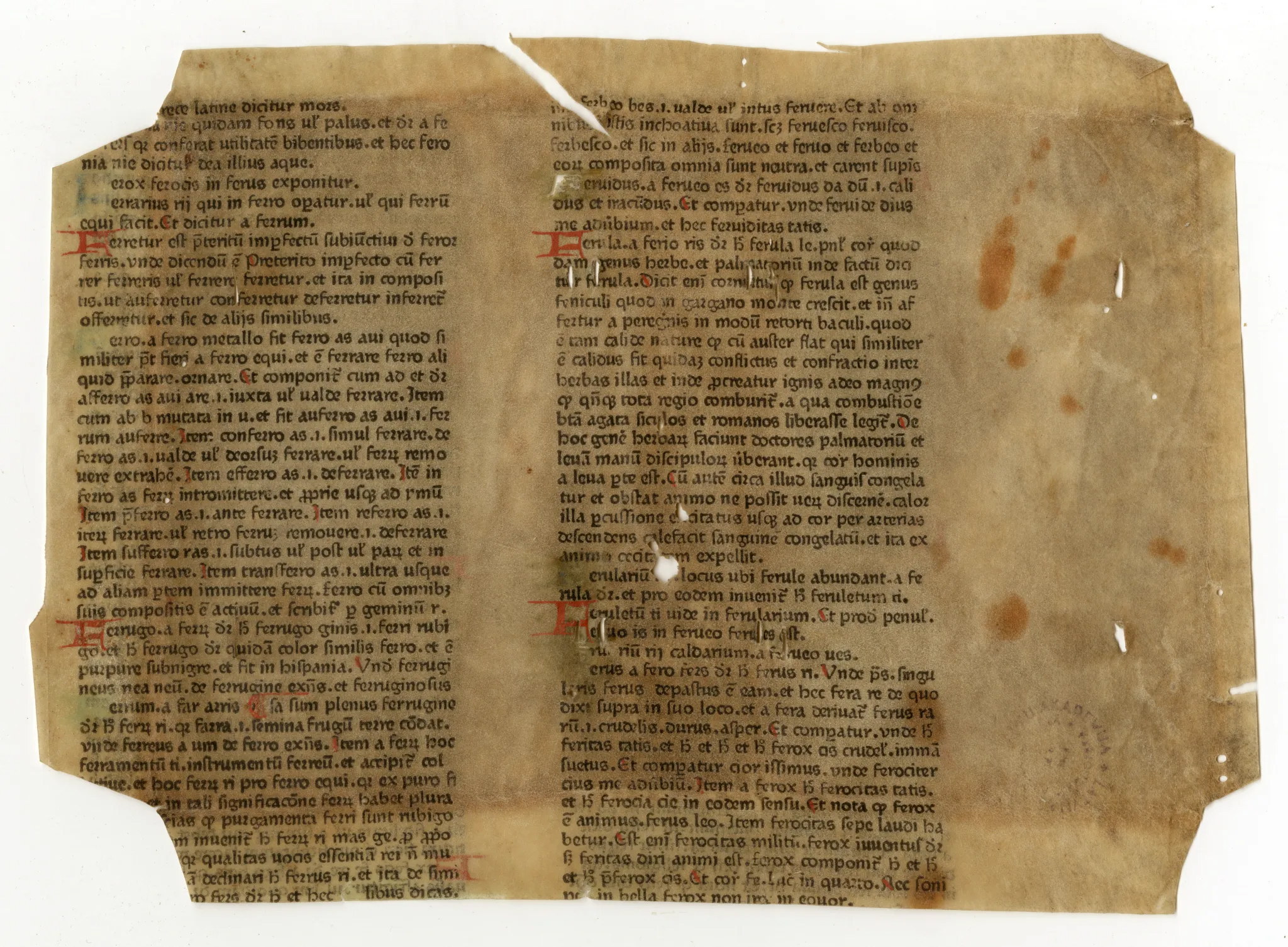
Fig. 5: Balbus, Johannes. Catholicon. Mainz: [Johann Gutenberg], 1460. Parchment.
The incunabula stored in the library are thematically diverse, including the works of St. Thomas Aquinas, Albertus Magnus, St. Augustine, St. Hieronymus, St. Bonaventure and other medieval philosophers.
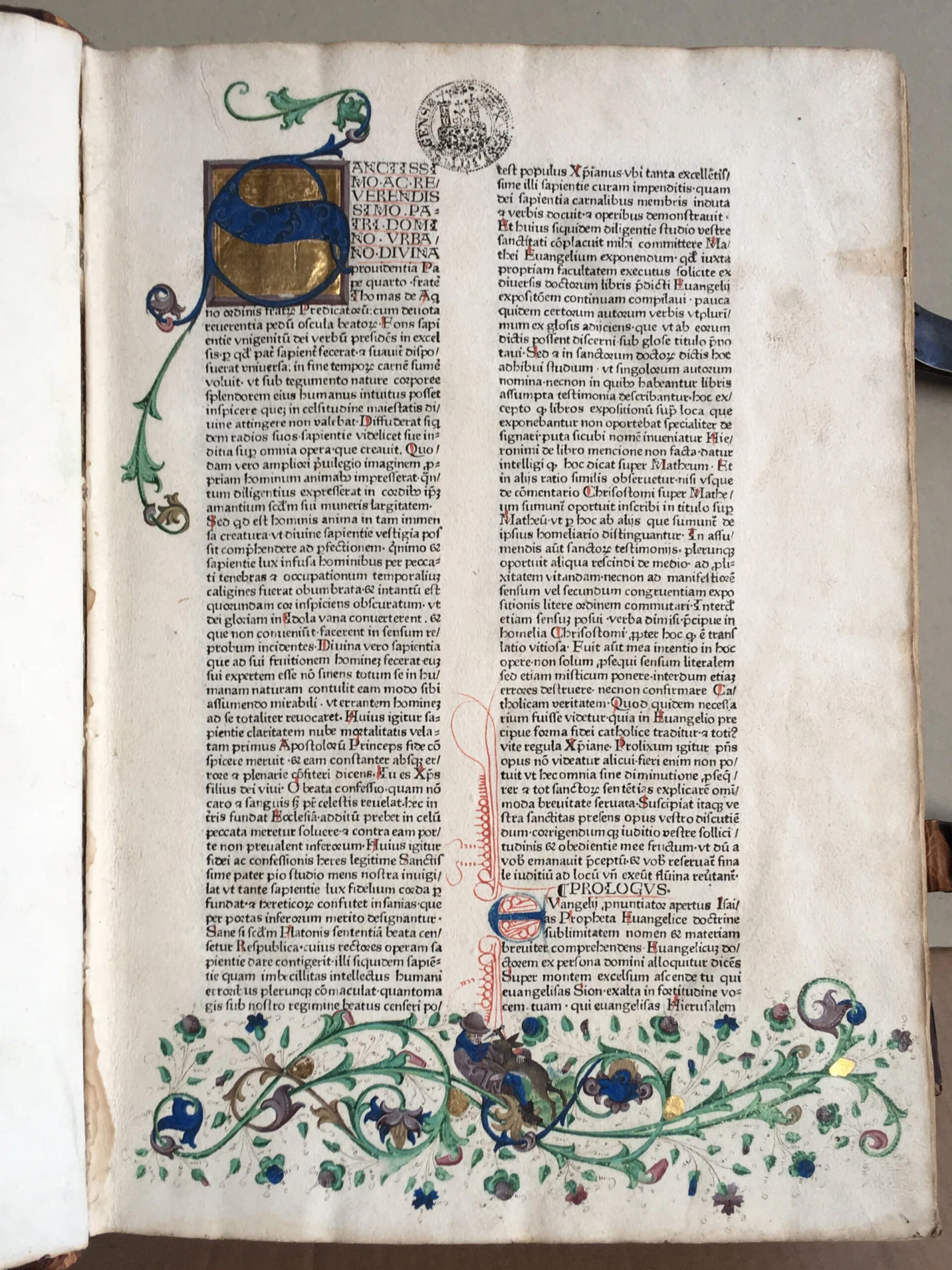
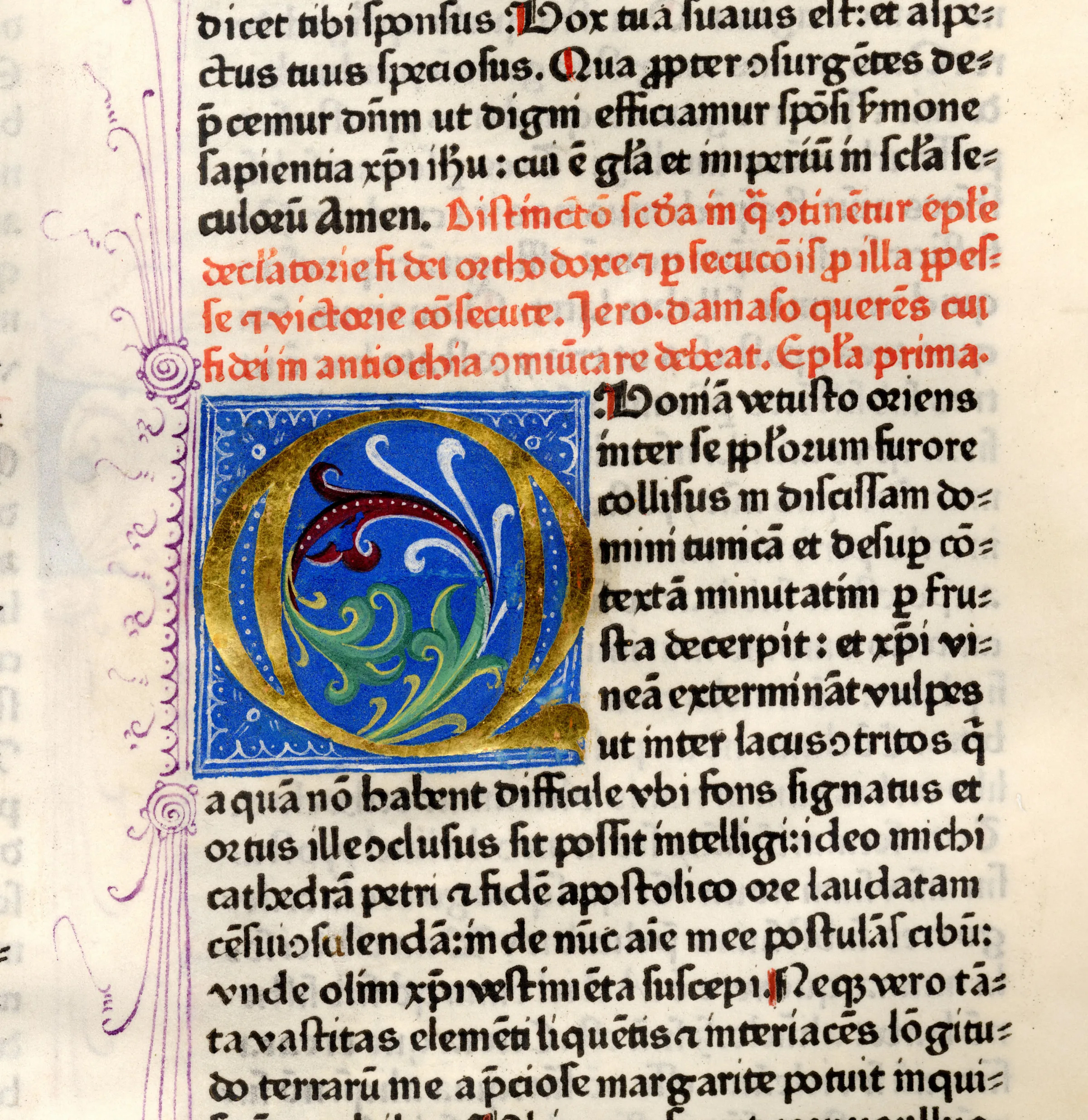
Fig. 6: Thomas de Aquino. Catena aurea super quattor evangelistas. [Augsburg: Günther Zainer, ca 1475/76]. IK 185.
Fig. 7: St.Hieronymus. Epistolae. Ed.A. Mainz: Peter Schöffer, 1470. Parchment. Fragment. IK. 98.
They also include Bibles, various religious treatises and descriptions of the lives of saints, encyclopedies, calendars, works of ancient literature such as Titus Livy, Horace, Ovid, Virgil and Seneca among others.
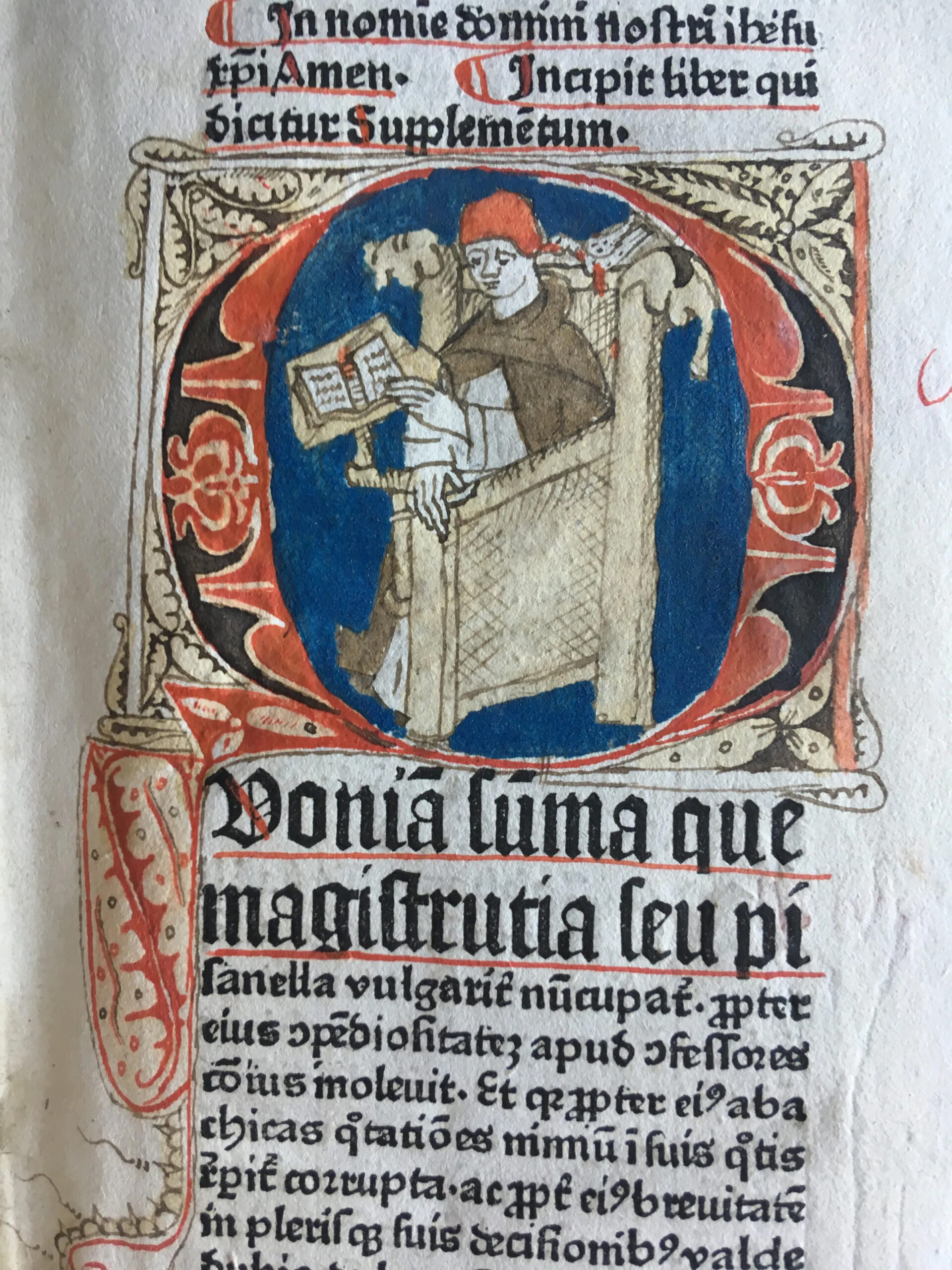
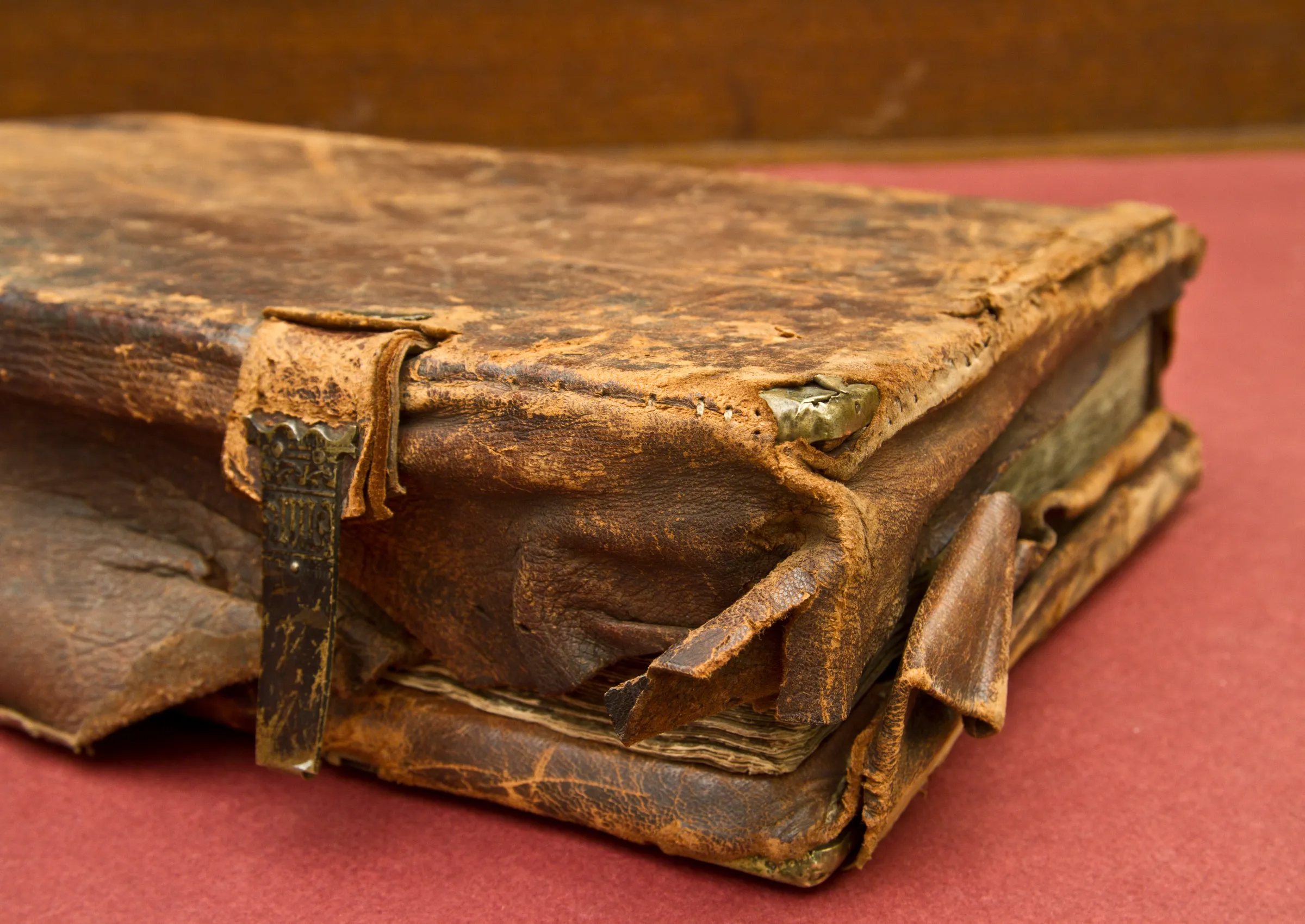
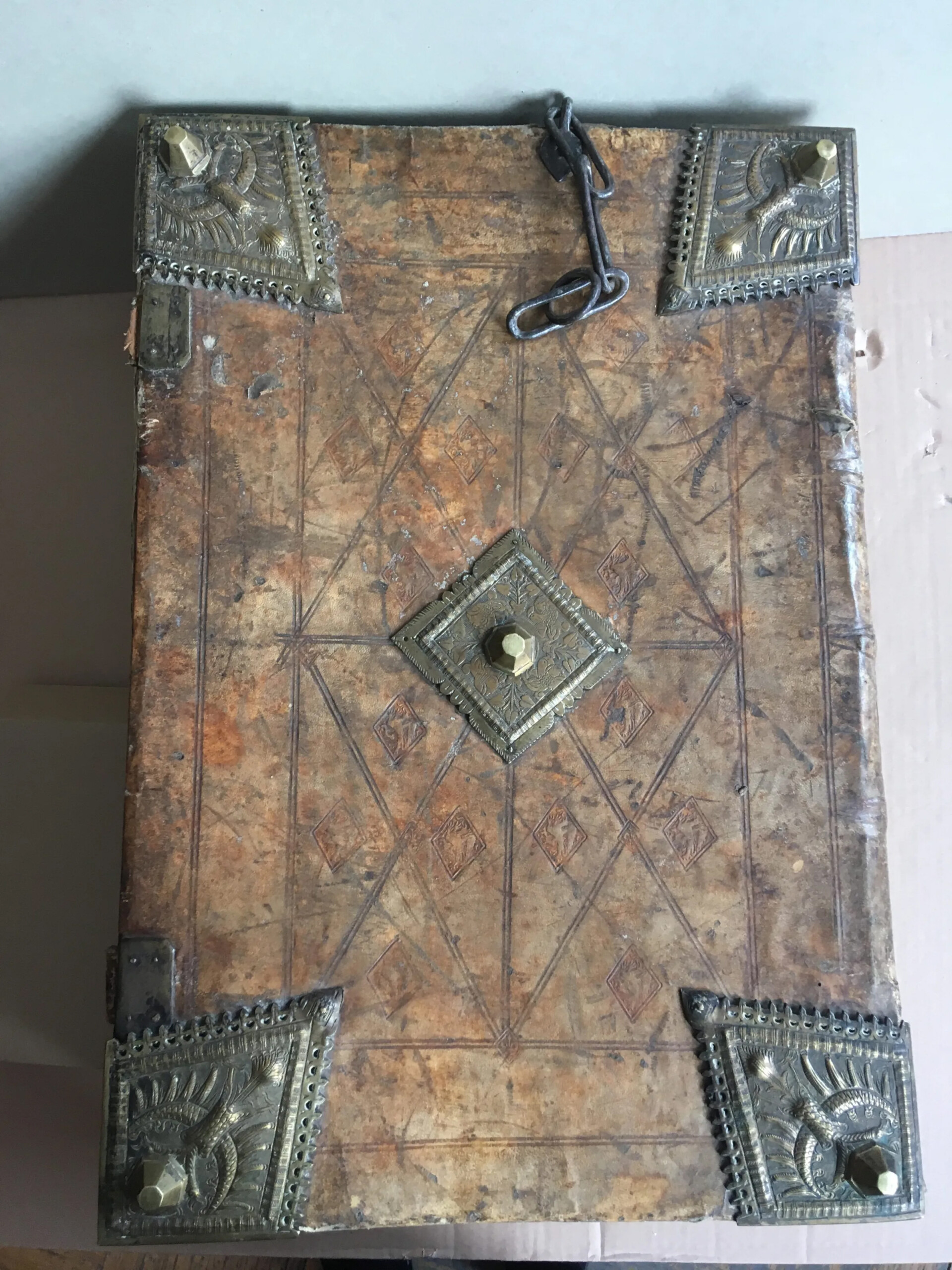
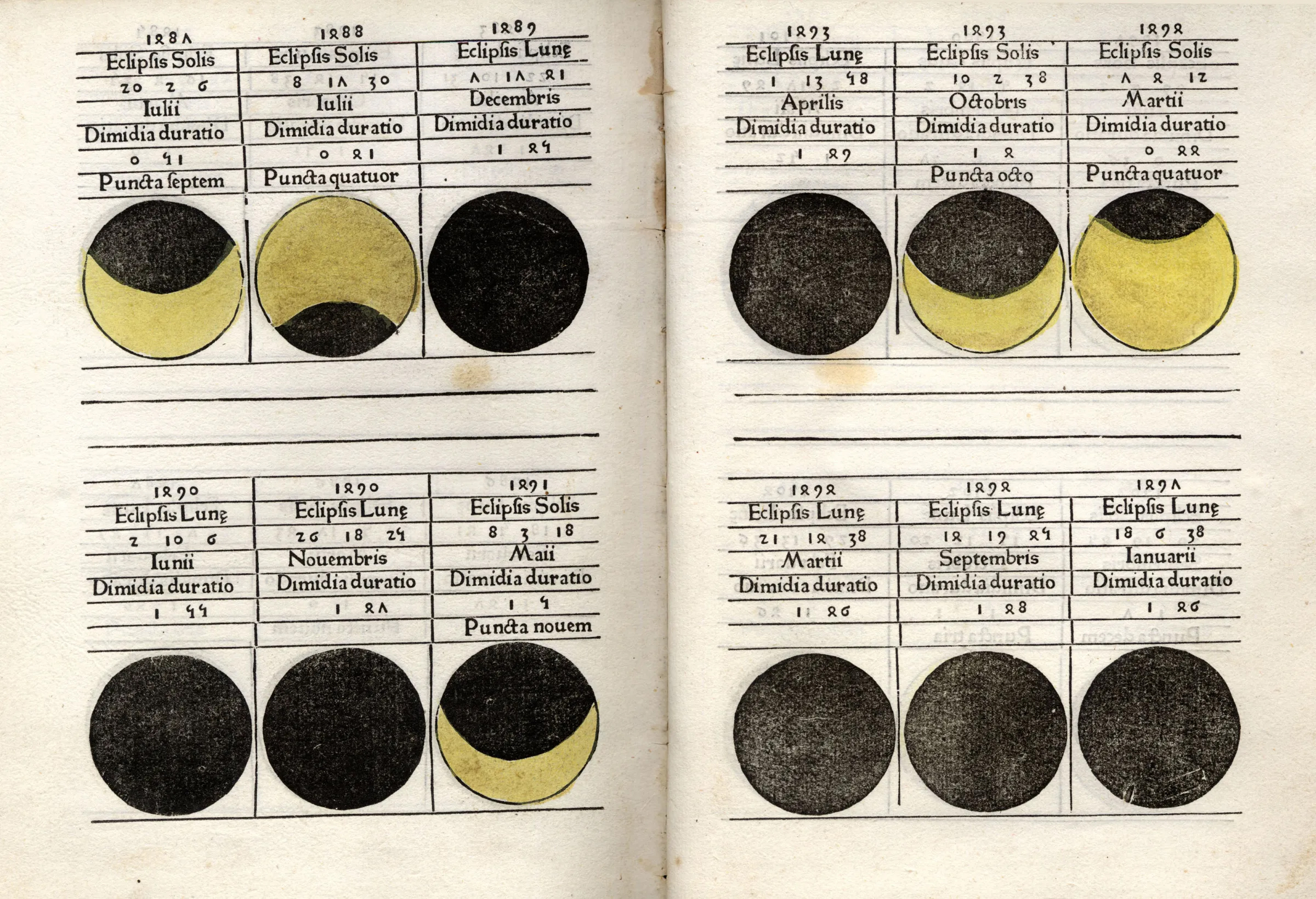
Fig. 8: Nicolaus de Ausmo. Supplementum summae Pisanellae. Köln: Konrad Winter von Homborch, 1479. Fragment. IK 147.
Fig. 9: Plenarium [Dat boek der profecien, epistelen und des hylghen evangelii]. [Lübeck: Stephan Arndes], 1493. Book in a chemise binding.
Fig. 10: Vincentius Bellovacensis. Speculum historiale. [Strassburg: Adolph Rusch, ca 1473]. IK 203.
Fig. 11: Johannes Regiomontanus. Calendarium. [Nürnberg: Johannes Regiomontanus, 1474].
Two incunabula – Missale Viburgense (The Book of Viburg Masses) printed in Lübeck in 1500, and the Plenarium (Sermons with Explanations) published in Venice in 1496 – are the only known copies in the world to date.
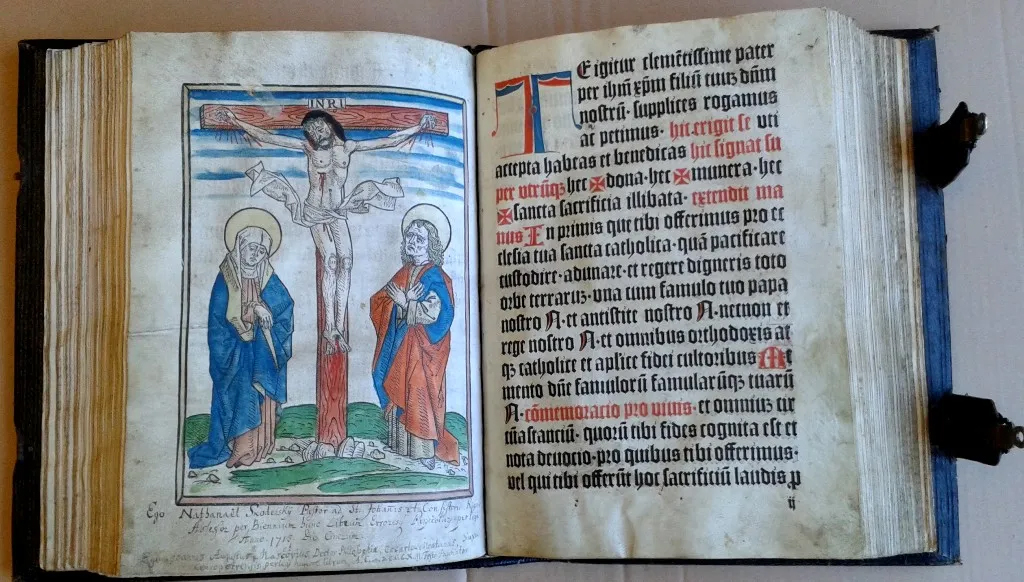
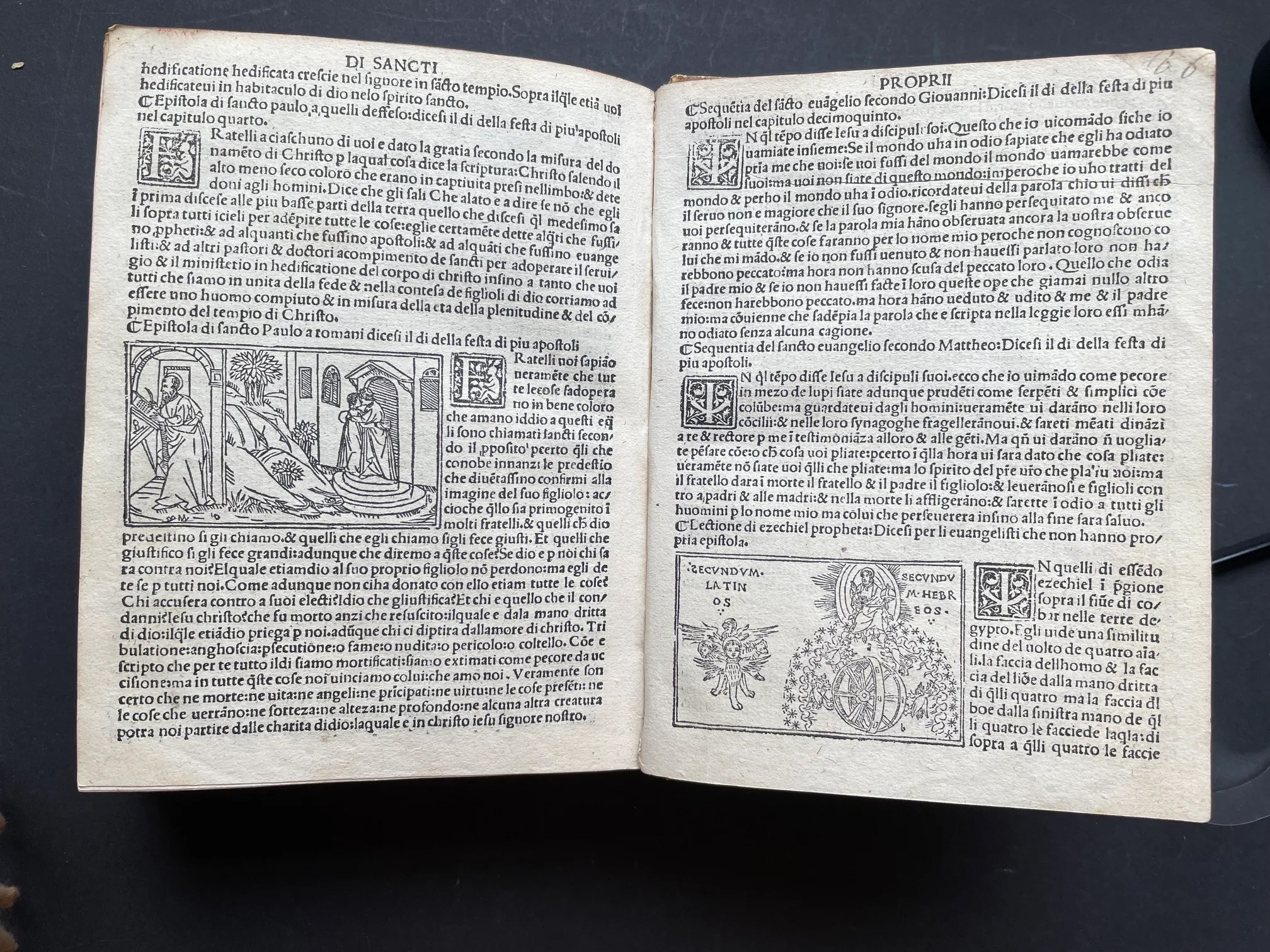
Fig. 12: Missale Viburgense. Lübeck: Stephan Arndes, 1500. Parchment. IK 144.
Fig. 13: Plenarium [Epistolae et evangelii vulgari historiate]. Venezia: Petrus de Quarengiis, 1496. IK 166.
The LU Library takes pride in its beautiful books that once belonged to residents of Riga in the late 15th century. Of outstanding value are the incunabula of the clergyman and lawyer Reynold Soltrump, featuring rare engravings – dotted prints which are pasted into them – and his marginal notes.
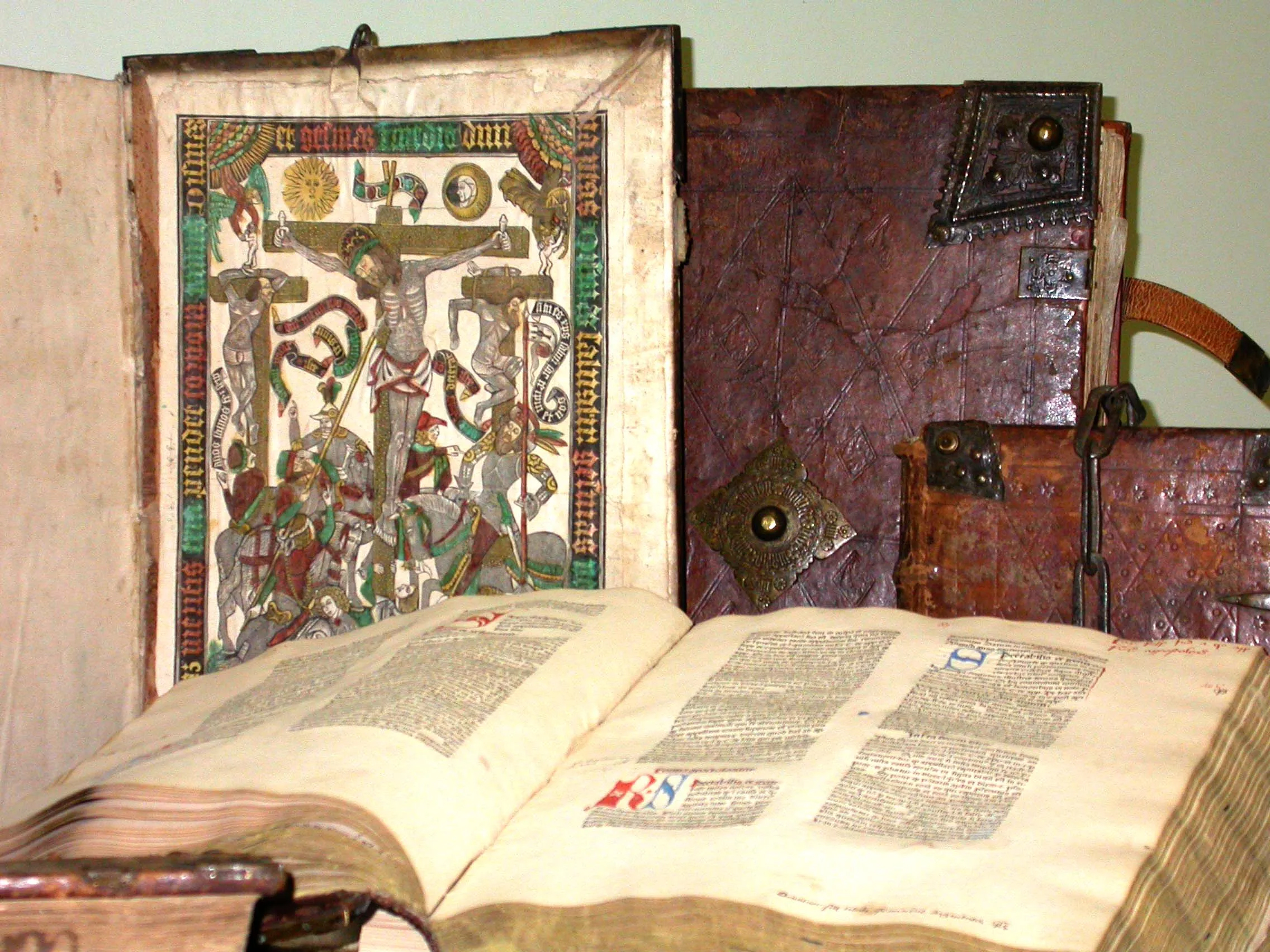
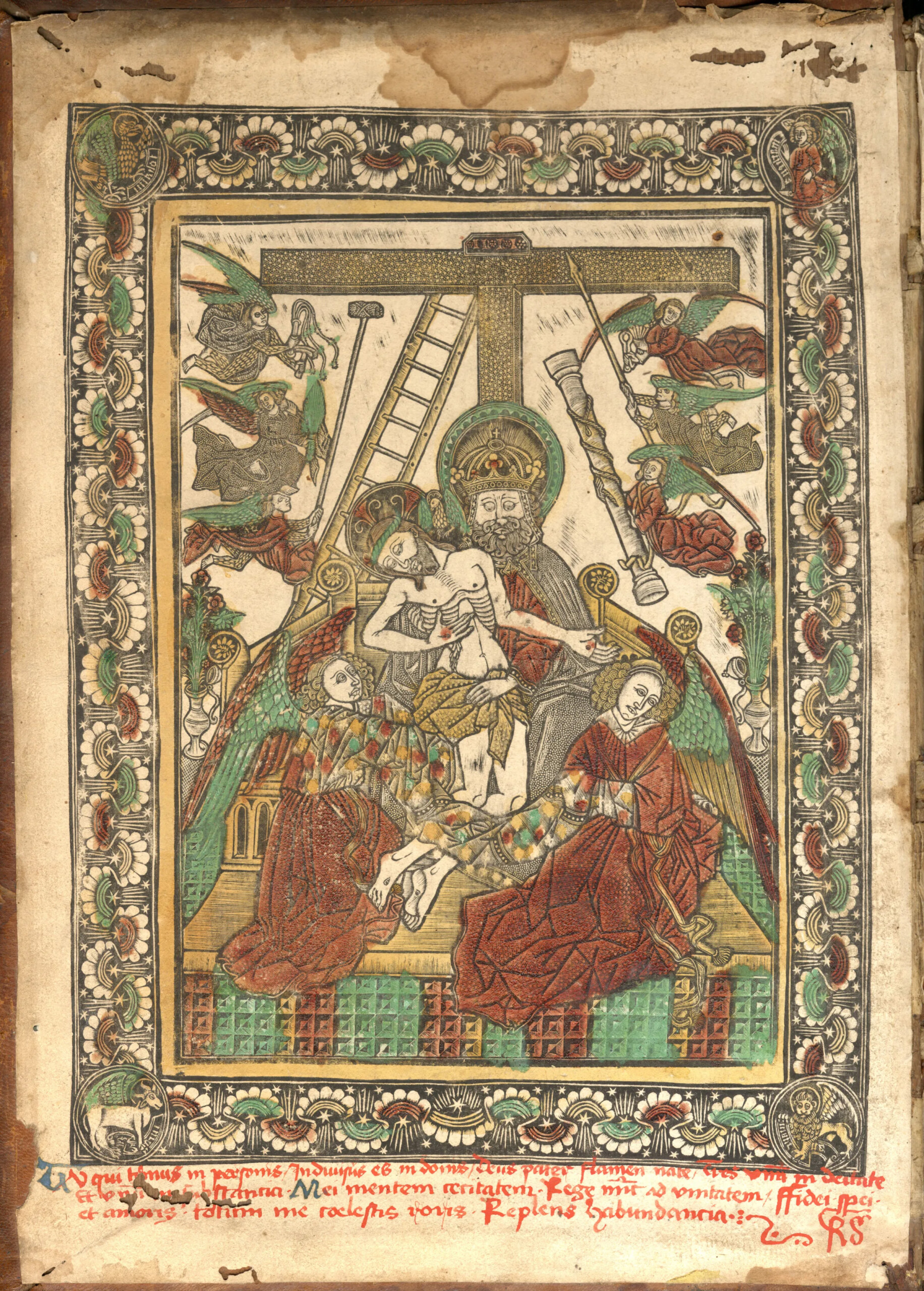
Fig. 14: Books from the private library of Reynold Soltrump, a clergyman and lawyer in Riga.
Fig. 15: [Master of the Mountain Clouds (Meister mit der Bergwolken, Werkstatt)]. The Holy Trinity. Dotted print. [Köln, post 1475]. With a poetry inscription by Reynold Soltrump. From: Ferraris J.P. de. Practica iudicialis. [Strassburg: Heinrich Eggestein, ca 1475].
Among the works of the first half of the 16th century – post-incunabula – particularly notable specimens are the polemical printed works or appeals of the Reformation period, the writings of Luther, as well as his associates and opponents. A particular mention should be made of the work by Andreas Knöpke, the first Reformation preacher of Riga – the commentaries on St. Paul’s letter to the Romans in several editions (1524, 1525), and Luther’s works published in Wittenberg, several of which appeal to his associates in Riga, Dorpat (Tartu), and Reval (Tallinn) with a call to promote secular education, to found schools and libraries. The post-incunabula collection includes editions of the works of Erasmus of Rotterdam, Albrecht Dürer, Petrarch, and others.
The collection of incunabula preserves evidence of both the contents of the private libraries of Riga and Livonia, as well as the collections of the libraries of the late Middle Ages – the period of Renaissance humanism and neo-Latin culture. The collection of printed works of the first Riga typographer and book published Nicolaus Mollinus pertains to the period of his activities in Riga (1588 – 1625). Of the 73 titles of Mollinus books recorded in the General Catalogue of Latvian Early Printings (Riga, 2013) 48 unique specimens are held by the UL Library.
The editions of Riga typographers of the 17th-18th centuries – Gerhard Schröder, Georg Matthias Nöller, Heinrich Bessemesser, Johann Friedrich Hartknoch, sen. – are widely represented in the library. The study of the intellectual and education history of Riga would be unthinkable without the 16th – 18th century editions of the Imperial Lyceum and Riga Cathedral School. The collection of early periodicals, calendars, ephemera is actively used.
The Theaterzettel collection (1782 – 1914) of the posters dedicated to concerts, theatre and circus performances at the Riga City Theatre (founded in 1782) is irreplaceable in studies of both Latvian and European music and theatre history.
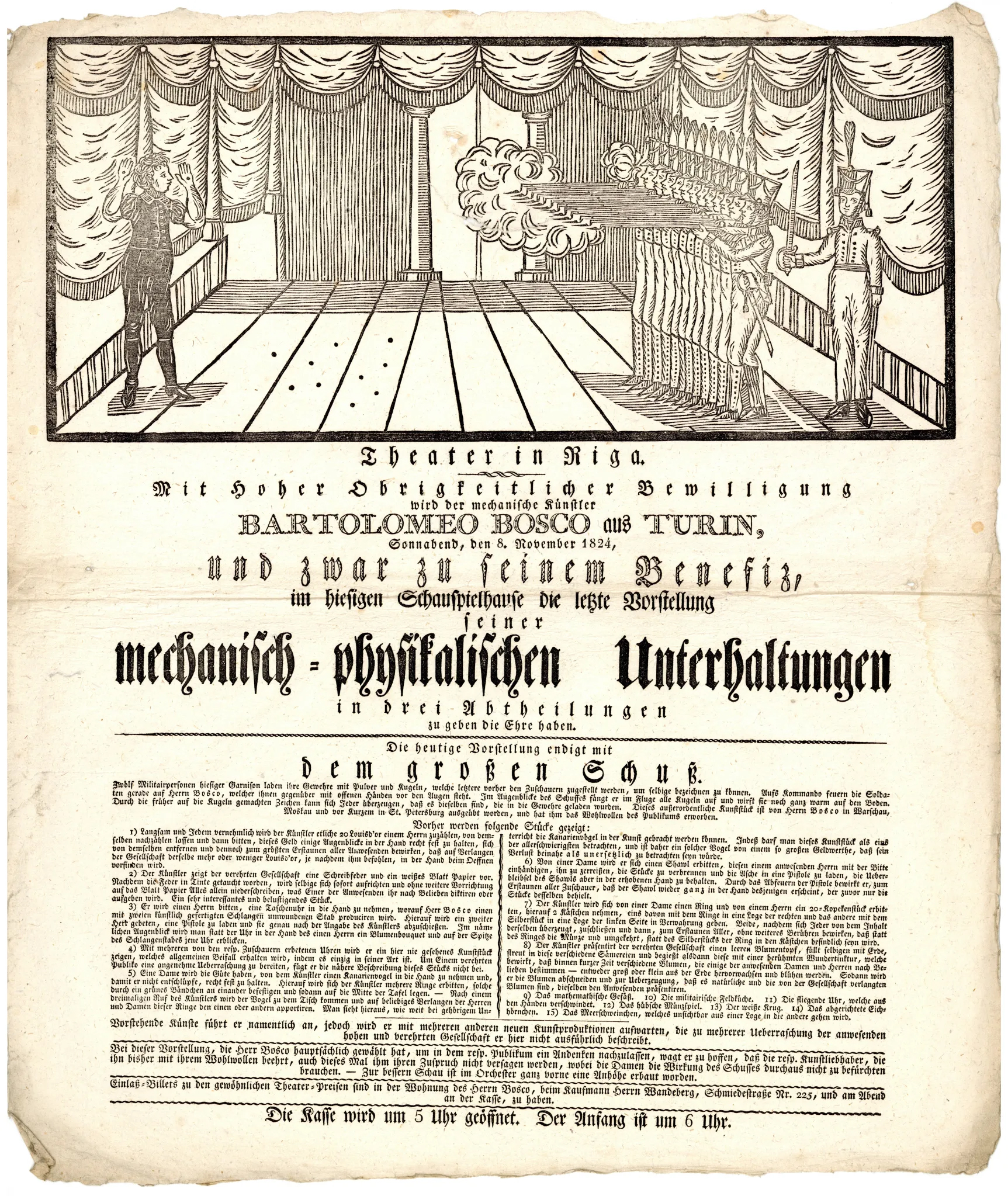
Fig. 16: Performance of Italian conjurer Bartolomeo Bosco in Riga, 1824. Poster.
Books with special qualities indicating rarity are stored separately – first editions, luxury editions and polygraphically interesting prints, books with engravings, copies with authors’ entries and notes. A newly formed collection of artistically valuable book bindings (19th – 20th century) complements and continues the unique repertoire of Gothic, Renaissance, Baroque, Neoclassicism and Art Nouveau original bindings found in our library.
Among the treasures preserved in the Bibliotheca Rigensis collection is a remarkable incunabulum that has become a symbol of the Library’s long history: Decretum Cum commentariis Johanni Teutonici et Bartholomaei Brixiensis by Gratianus (Basel: Bernhard Richel, 1476).
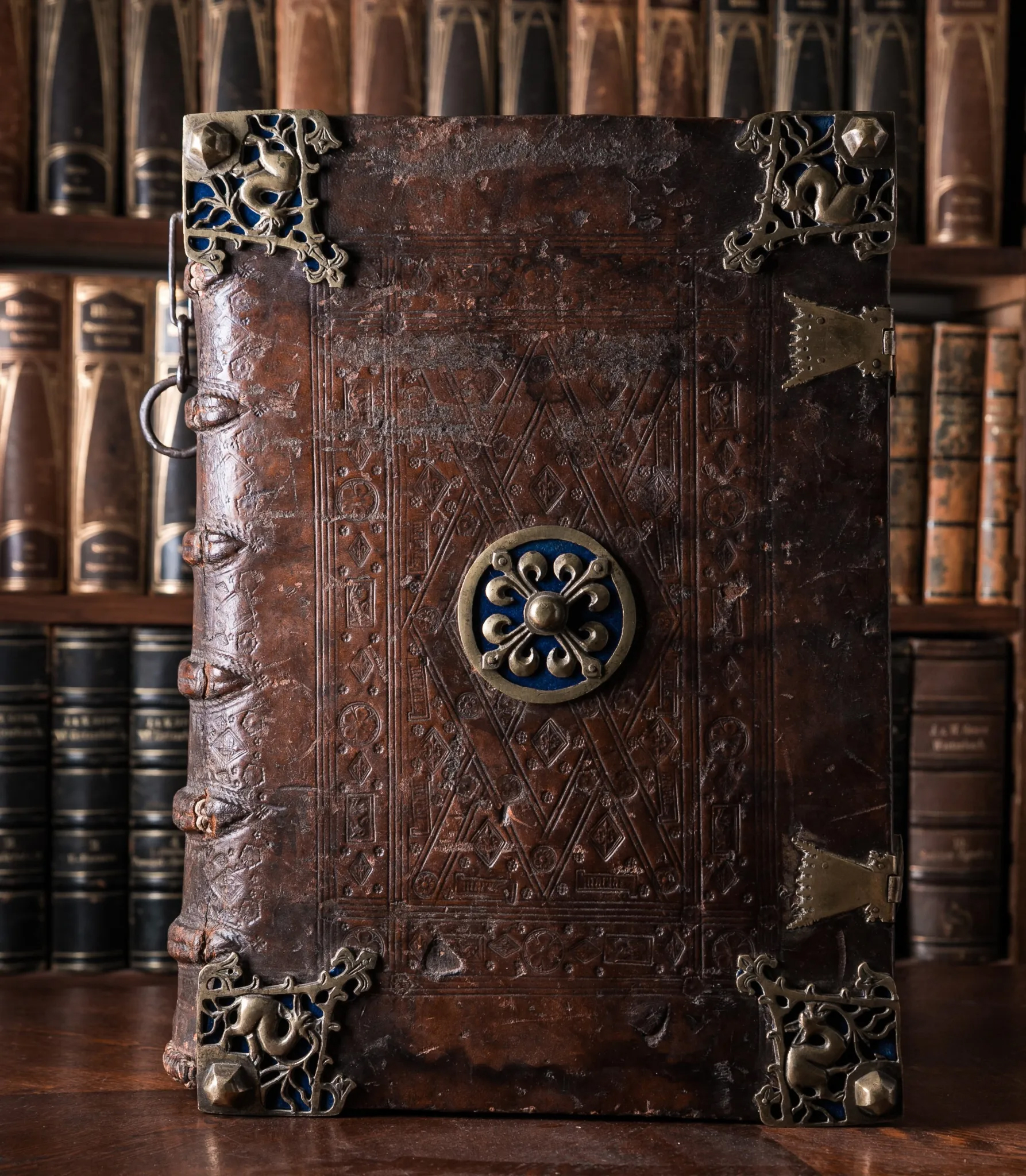
Fig. 17: Gratianus. Decretum. Basel: Bernard Richel, 1476.
This monumental volume is a significant example of early European printing and has become one of the most recognisable treasures of our historic collection. Printed as a large-format folio of 413 pages, the volume is remarkable not only for its content but also for its impressive physical form, weighing 12.6 kilograms and measuring almost half a metre in height. Although created in Basel as a monument of Swiss book culture, the incunabulum later became part of the cultural memory of Riga and Livonia. The exact path of the book’s journey to Riga remains unknown, but it is believed to have belonged to a religious institution before becoming part of the Bibliotheca Rigensis collection.
By the beginning of the 20th century, Gratian’s Decretum had become a symbol of Riga’s oldest city library. The medieval book was even immortalised in bronze, with its image appearing on the commemorative medal created for the 450th anniversary of the library (sculptor Valentīna Zeile, 1974). The remarkable late medieval folio has been widely photographed and filmed, continuing to inspire artists and fascinate visitors. Since its presentation at the Riga Cultural History Exhibition in 1883, Gratian’s Decretum has proudly represented the value of Riga’s medieval book heritage.
The Bibliotheca Rigensis collection preserves an exceptional copy of this work, featuring an authentic and remarkably well-preserved late medieval binding with a chain. The massive volume is protected by wooden boards covered in leather, fitted with clasps and metal mounts. Its decoration is distinguished by unique and expressive bronze fittings, for which no exact parallel has been identified within the late 15th-century metalworking tradition of the German cultural sphere. It is nevertheless highly plausible that both the fittings and the binding were produced in Nuremberg. A closely related example can be found only in a 15th-century manuscript missal made for Nuremberg, now preserved in the Nuremberg City Library, which was bound in a local workshop active between 1452 and 1476.
The monumental bronze corner fittings, executed in the style of High Gothic, depict fantastic creatures – possibly chimeras or stylised deer intertwined with vegetal ornament. A circular central fitting on the cover features a heraldic lily motif. Originally, the openwork bronze fittings were set against dark blue velvet, which further enhanced the brilliance of the metal decoration and complemented the deep brown tone of the ornamented leather binding.
Manuscripts
Alongside its remarkable collection of early printed books, the UL Library also preserves a rich and diverse manuscript heritage. Among its most important holdings are the manuscripts inherited from Bibliotheca Rigensis, including medieval codices, personal archives of Baltic German writers, theologians, educators, public figures, bibliophiles, and collectors, as well as institutional archives and individual manuscripts dating from the 13th–20th centuries mostly in Latin and German. The medieval parchment manuscripts from France, Germany and Latvia are among the greatest treasures of the collection. The oldest surviving item is a fragment of a 10th-century Gospel, while many of the codices originated in the libraries of Riga’s former Catholic churches and monasteries before becoming part of Bibliotheca Rigensis. Particularly noteworthy are the 13th-century Psalterium Davidis, copied in France, Parabolae Salomonis, the richly illuminated 15th-century Book of Hours in Latin, and the Missale Rigense (Riga Cathedral Missal) and others.
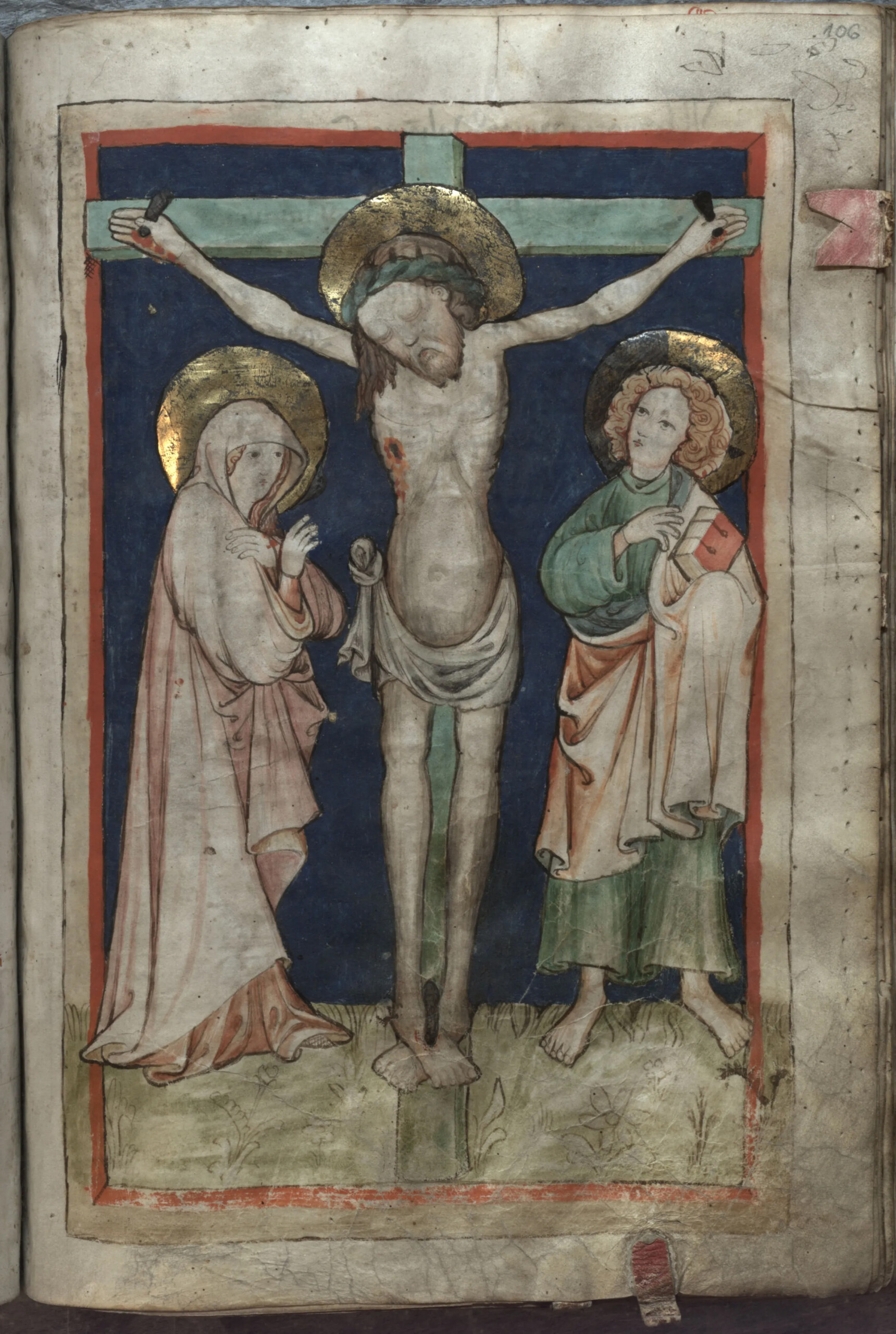
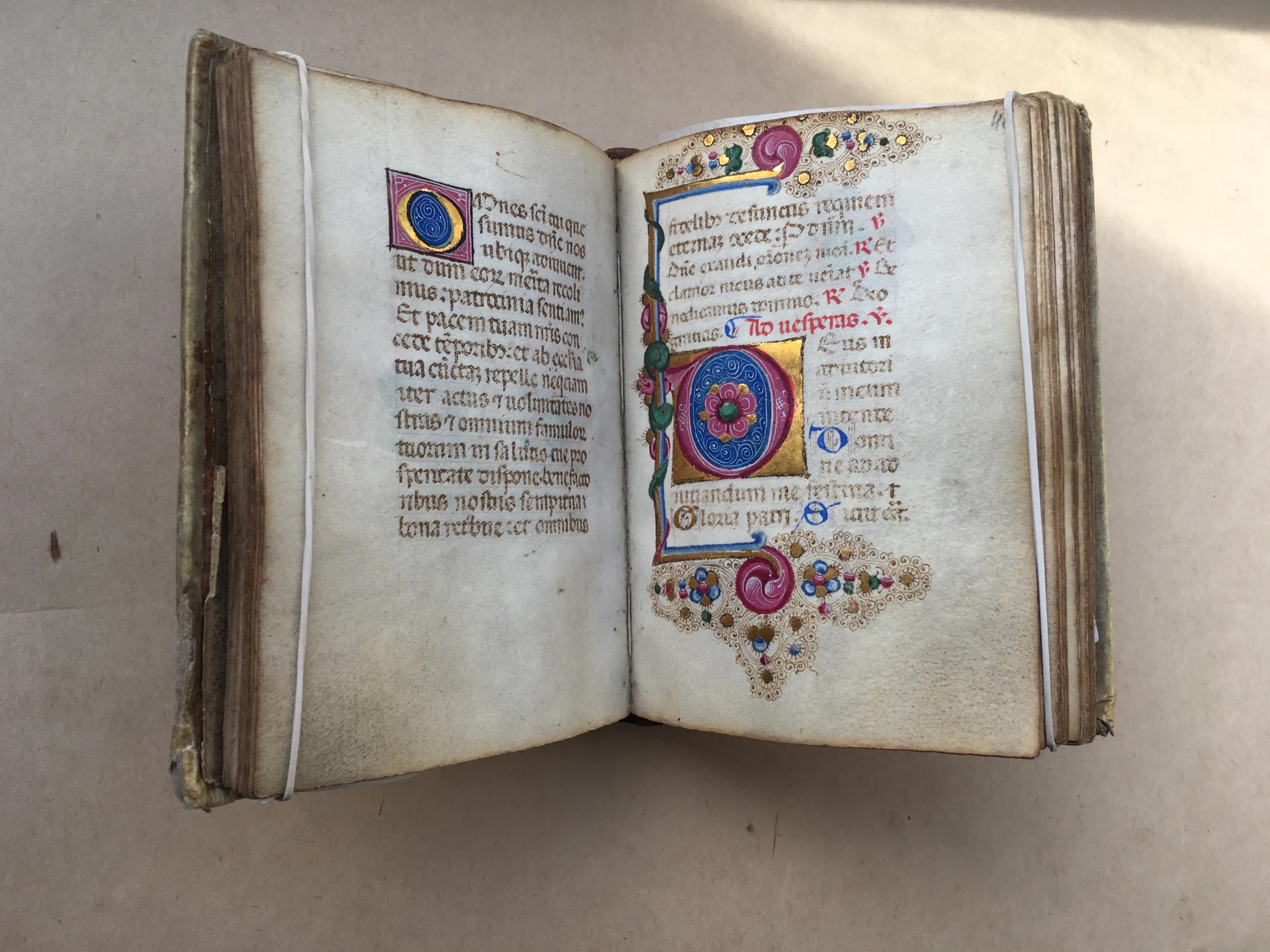
Fig. 18: Missale Rigense. Manuscript. ?Riga. [Ca 1460 -1490]. Parchment.
Fig. 19: Officium Beatae Mariae Virginis. Manuscript. [Italia, ?ca 1470-1480]. Parchment.
The collection is equally diverse in both scale and content. It ranges from tiny parchment fragments measuring only a few centimetres to large-format codices exceeding 300 pages. In total, it comprises 12 medieval parchment codices, 15 documents, and around 150 fragments. These holdings are complemented by several rare printed books dating from the 15th and 16th centuries. Among the most valuable items are unique fragments of medieval German and Dutch texts, as well as manuscripts of the principal Livonian chronicles. These include 17th-century transcripts of the Chronicle of Henricus Livonicus, Franz Nyenstede, Jürgen Helms, Christian Kelch, Moritz Brandis, and Gerhard Vieckens. The collection also preserves Martin Luther’s letters to the City Council of Riga and citizens, including an autographed letter written in 1540.
The UL Library also preserves a substantial manuscript legacy of Garlieb Helwig Merkel, a prominent publicist and writer of the Enlightenment period. The collection includes manuscripts and extensive correspondence comprising more than 300 letters, including exchanges with his friend J. G. Herder. Among the other notable manuscript holdings is the archive of theologian and writer Carl Gottlob Sonntag, containing around 2,000 letters, as well as the archives of three brothers – the protestant ministers and historians Gustav, Liborius, and Benjamin von Bergmann.
One of the most significant collections preserved at the UL Library for the study of the cultural history of Latvia and the Baltic region is the manuscript, printed, and visual material collection of Johann Christoph Brotze (1742–1823), a teacher at the Riga Imperial Lyceum.
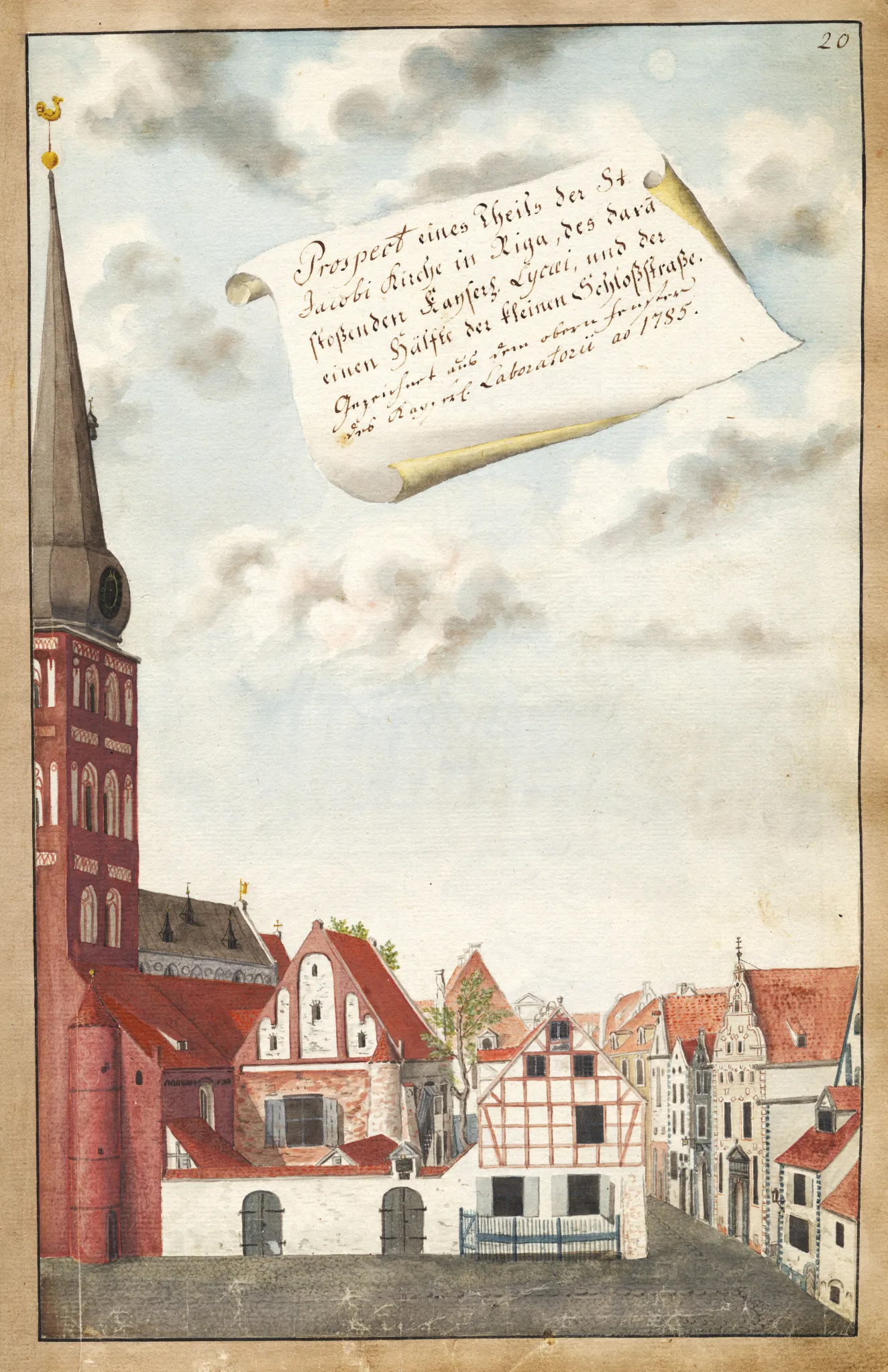
Fig. 20: Johann Christoph Brotze. A view of St James’s Church in Riga and the Imperial Lyceum. 1785. Watercolour.
The centrepiece of this impressive collection is his monumental 10-volume work Sammlung verschiedener Liefländischer Monumente. Across 3130 pages, Brotze documented the history, architecture, people, and everyday life of Riga, Latvia, and Estonia through ink drawings, watercolours, descriptions, and documentary materials. In recognition of its outstanding cultural value, the collection was included in the Latvian National Register of the UNESCO Memory of the World Programme in 2017. The exceptional value of Brotze’s collection lies in the richness of the historical evidence it preserves. His drawings and descriptions provide a detailed visual record of the Baltic region, documenting former Livonian settlements, towns, landscapes, urban and rural inhabitants, coats of arms, seals, coins, buildings, and many other aspects of everyday life. The collection has become an invaluable resource for historical research, contributing to the development of methodologies in the humanities and shaping our understanding of Latvia’s cultural identity and its place within a wider European context.
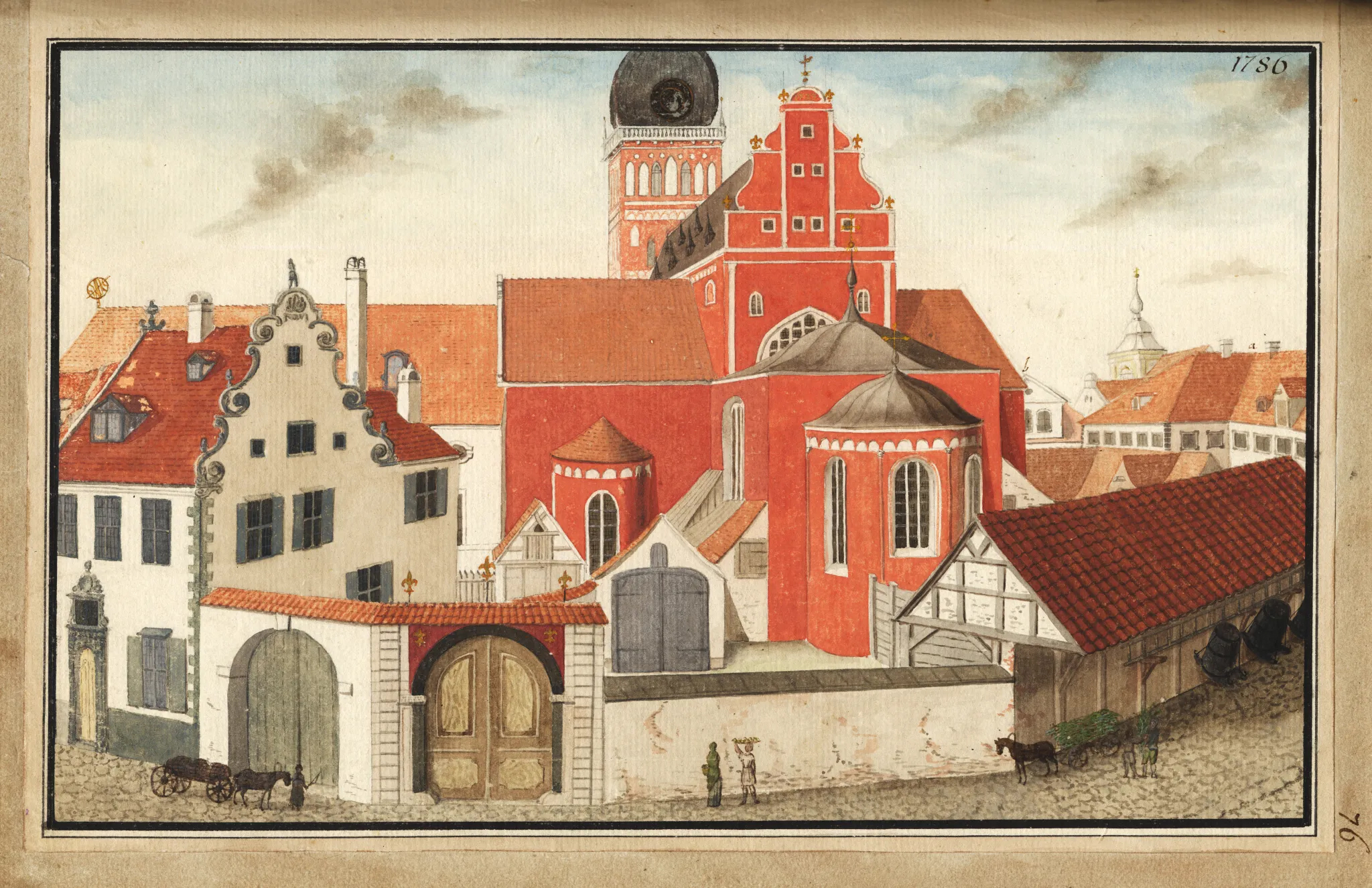
Fig. 21: Johann Christoph Brotze. A view of Riga Cathedral Church and Cathedral School. 1786. Watercolour.
The Misiņš Library
Among the special collections of the UL Library, the Misiņš Library holds a unique place as one of the most important repositories of Latvian written culture.
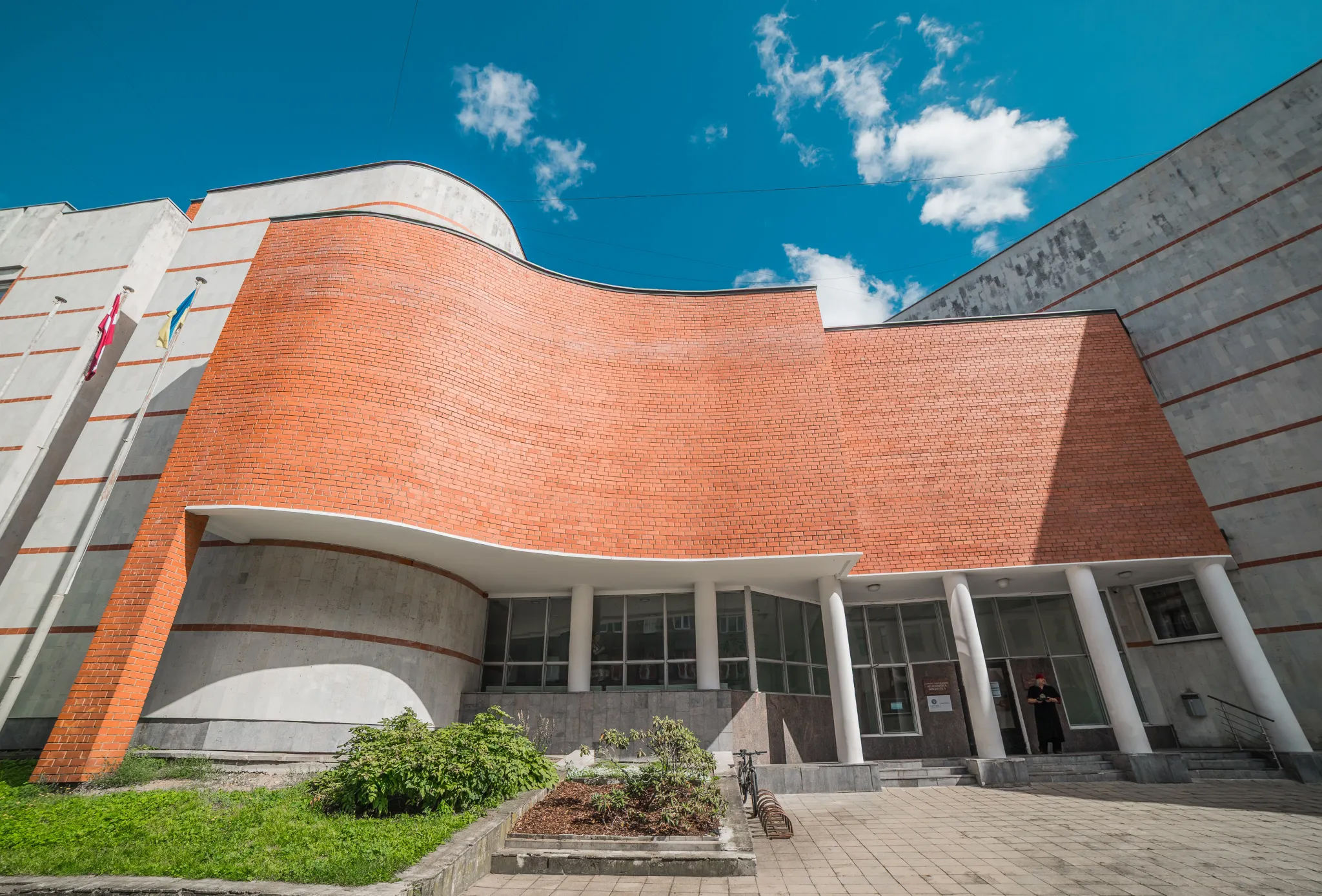
Fig. 22: The University of Latvia Library building at Rūpniecības Street 10, Riga. Photo by Toms Grīnbergs, UL.
Its origins relate to the vision of Jānis Misiņš (1862–1945), a passionate bibliophile who began building his personal collection in 1885 with the aim of gathering and preserving publications related to Latvians, their language, literature, and cultural life. What started as a private library gradually developed into a comprehensive collection reflecting the intellectual history of Latvia and the Latvian people. The Misiņš Library became part of the UL Library with the 2024 merger with the Academic Library, and its aim remains the same as when it was founded – to collect and preserve everything published relating to Latvia. This includes works published abroad in Latvian, translations of Latvian authors into other languages, publications relating to Latvia and Latvians, and documentary collections preserving the lives, work, and legacy of leading figures in Latvian culture, education, and science.
Today, the Misiņš Library preserves more than a million books, periodicals, and small printed materials, alongside an immense manuscript collection. These holdings represent a wide range of subjects, from literature, history, and linguistics to folklore, science, and the arts. The collection is particularly valuable because it brings together both published works and unique archival materials, allowing researchers to explore not only the finished works of writers and scholars, but also the creative processes, correspondence, and personal stories behind them. A particularly significant part of the Misiņš Library is its manuscript collection, which reflects the development of Latvian intellectual and cultural life across generations. The collection includes manuscripts, letters, diaries, photographs, graphic materials, and personal archives of writers, artists, scholars, and public figures. Many of these materials entered the Library through donations, including valuable collections from the Latvian diaspora after Latvia regained its independence in 1990-1991, enriching the holdings with documents that preserve the experiences and cultural activities of Latvians beyond Latvia’s borders.
This blogpost provides only a glimpse into the vast historical collections preserved at the UL Library. We kindly invite researchers, scholars, and all those interested in our shared written heritage to visit our library in Riga and explore our collections to the fullest. From medieval manuscripts and early printed books to personal archives and visual collections – our team of experienced librarians will guide you through them and support your research on Latvian, Baltic, and European heritage.
Related articles
by Alfie Abdul-Rahman, Cristina Dondi, Binuli Markawitage, Jacelyne Tan, and Yiwen Xing
Oct 14, 2026
by Markéta Kučerová and Vojtěch Šícha, Library of the Czech Academy of Sciences
Sep 24, 2026
by Konrad K. Szymański (Ossolineum National Library, Wrocław)
Sep 18, 2026
by Caroline Duroselle-Melish, Angela Dressen and Attilio Bottegal, I Tatti, Harvard
Aug 31, 2026