
Behind the Doors of the Library of the Czech Academy of Sciences: From Historical Collections to Digital Research
by Markéta Kučerová and Vojtěch Šícha, Library of the Czech Academy of Sciences
Share this article
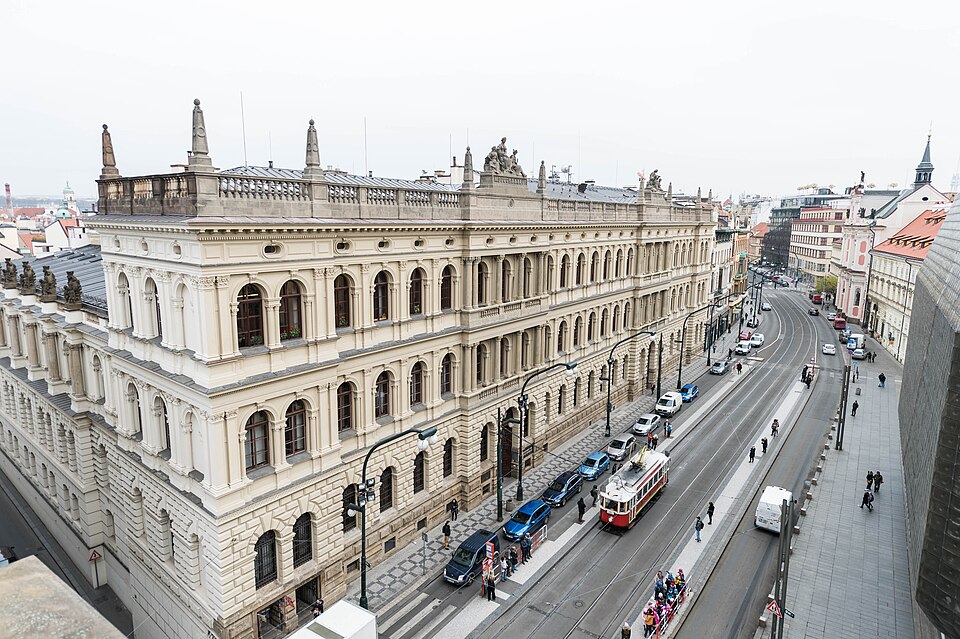
Fig. 1: The headquarters of the Czech Academy of Sciences on Národní Street in Prague,
home to the Library of the Czech Academy of Sciences.
Imagine you’re in Prague and want to take a break from the bustling city centre, the sights and the tourist crowds – whilst discovering a place where history meets contemporary scientific research. The ideal venue is the Library of the Czech Academy of Sciences (LIBCAS) on Národní Street. It is situated directly opposite the New Stage of the National Theatre and just a few steps from the legendary Slavia café.
You open the heavy wooden door and climb the marble staircase, flanked by two bronze lions by the famous Czech sculptor Josef Václav Myslbek. You enter a space that has retained the dignified atmosphere of the former Czech Savings Bank, reflecting the building’s original function and its 19th-century history. The architecture and décor clearly reflect the institution’s original purpose: to inspire trust, a sense of security and an image of prosperity.
A staircase and two lions
You open the heavy wooden door and climb the marble staircase, flanked by two bronze lions by the famous Czech sculptor Josef Václav Myslbek. You enter a space that has retained the dignified atmosphere of the former Czech Savings Bank, reflecting the building’s original function and its 19th-century history. The architecture and décor clearly reflect the institution’s original purpose: to inspire trust, a sense of security and an image of prosperity.
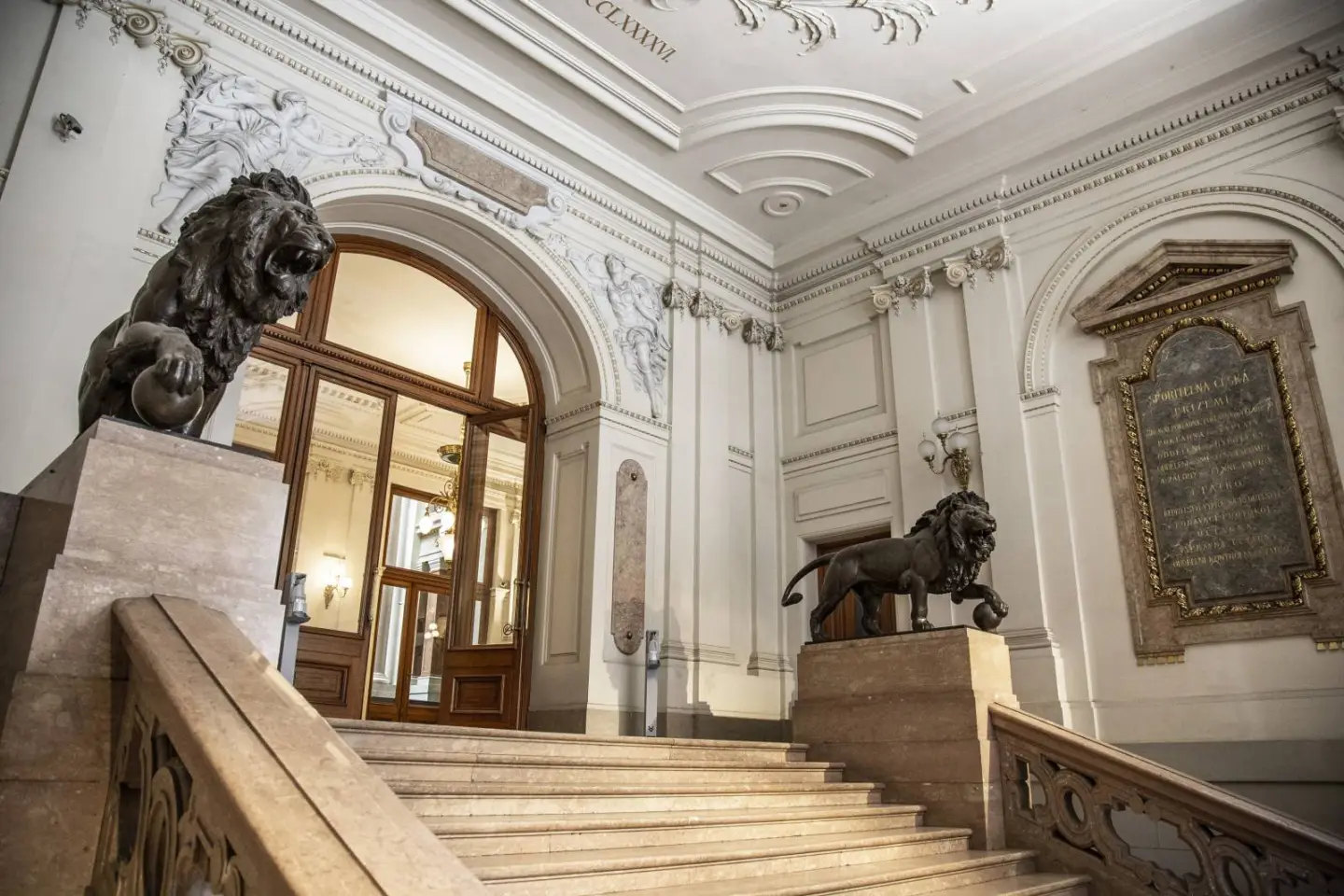
Fig. 2: The staircase with two bronze lions by one of the most important Czech sculptors
of the late 19th century J. V. Myslbek.
Entering the building: history in stone
Since the early 1950s, the Czech Academy of Sciences and its library have been based here, continuing, in their own way, the tradition of prestige and distinction associated with this place. The former ‘temple of finance’ has thus become a temple of knowledge and culture.
Ahead of you is the monumental main reading room, one of the most impressive historical library interiors in the Czech Republic. The Carrara marble sculptures Economy and Thrift, created after models by J. V. Myslbek, recall the original function of the building as a savings bank.
Today, the reading room is used by students, researchers and the general public. It represents, however, only a small part of LIBCAS. Since its establishment in 1953, the Library has served as the central library of the former Czechoslovak, and later Czech, Academy of Sciences and has become one of the most important research libraries in the Czech Republic.
It provides access to scholarly literature across disciplines, systematically preserves the publications produced by the institutes of the Czech Academy of Sciences, and ensures their registration and accessibility through the ASEP information system.
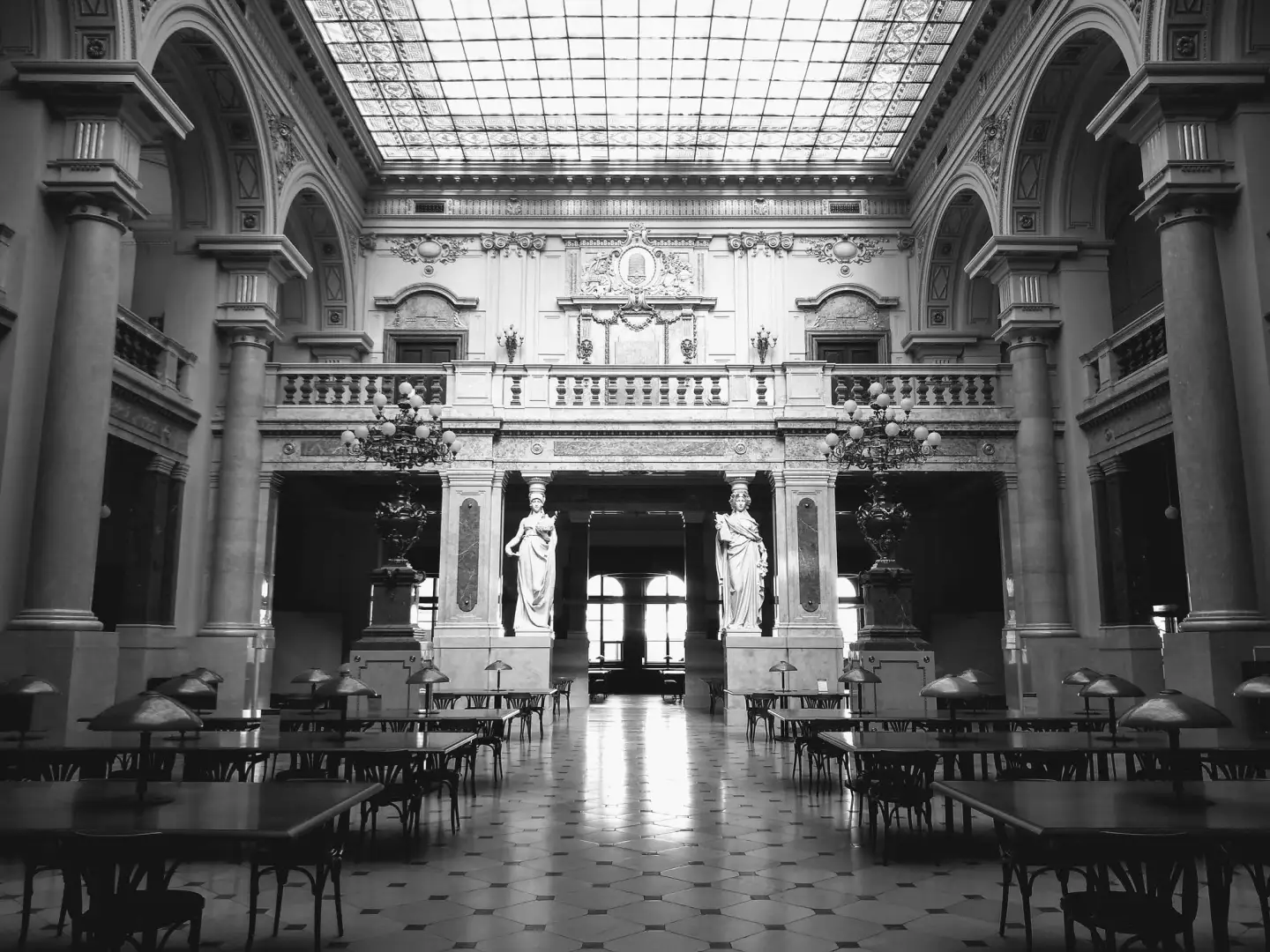
Fig. 3: The main reading room, with allegorical statues by J. V. Myslbek.
Beyond the reading room: collections without walls
To discover the full scope of the Library’s activities, you do not need to continue along another corridor. A large part of its collections, services and research tools exists beyond the physical walls of the building – in the digital environment.
Let us begin with what forms the foundation of every research library: its collections.
The holdings of LIBCAS reflect both the broad range of scientific activities of the Academy and the historical layers of its institutional development. Their core consists of the scholarly publications produced by the institutes of the Czech Academy of Sciences – monographs, journals, conference proceedings and other research outputs documenting the development of knowledge across disciplines and through time.
The collections are complemented by specialised holdings, including bibliophile collections, artistic prints and three former libraries, whose book collections formed the foundation of LIBCAS: Library of the Royal Bohemian Society of Sciences, Library of the Czech Academy of Sciences and Arts and Masaryk Academy of Labour. A special place is occupied by the historical collections, which include manuscripts, incunabula and early printed books, among them unique examples of European cultural heritage.
Behind the doors of the historical collections lie thousands of stories waiting to be rediscovered. Let us look at three exceptional items that illustrate the richness and diversity of these holdings.
Among the oldest manuscripts preserved in LIBCAS is a Greek New Testament manuscript dating from around 1232, decorated with four full-page illuminations of the Evangelists.
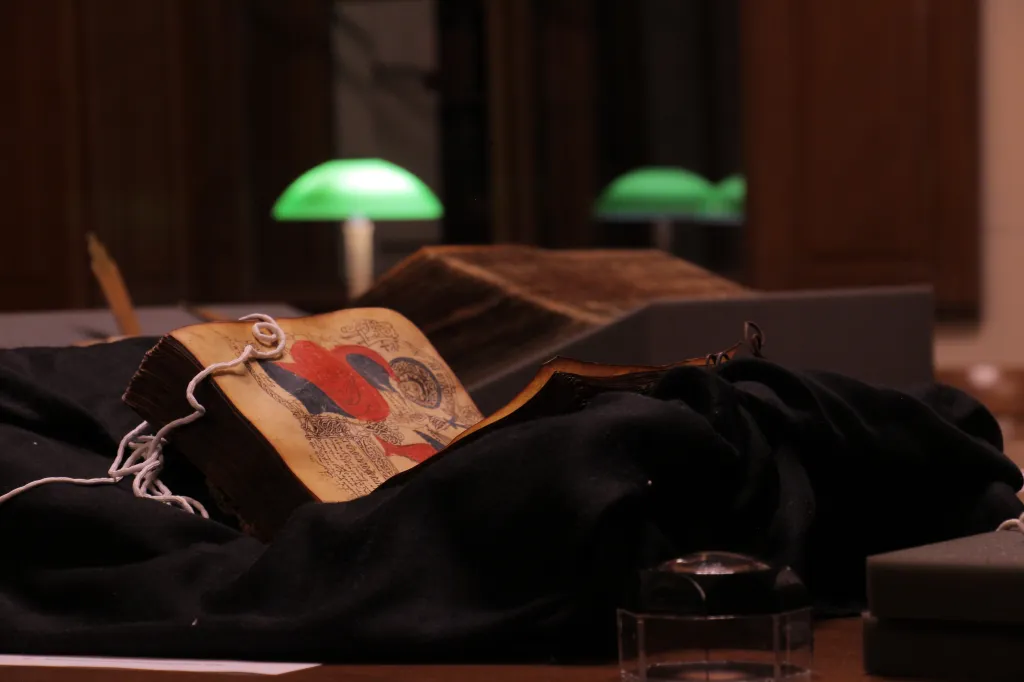
Fig. 4: Greek New Testament manuscript, c. 1232.
An exceptional place among the most valuable manuscripts is held by the so-called Martinice Bible from the 1430s. This manuscript contains the earliest known depiction of the burning of Jan Hus, the Czech religious reformer whose ideas profoundly influenced the history of the Czech lands and Central Europe.
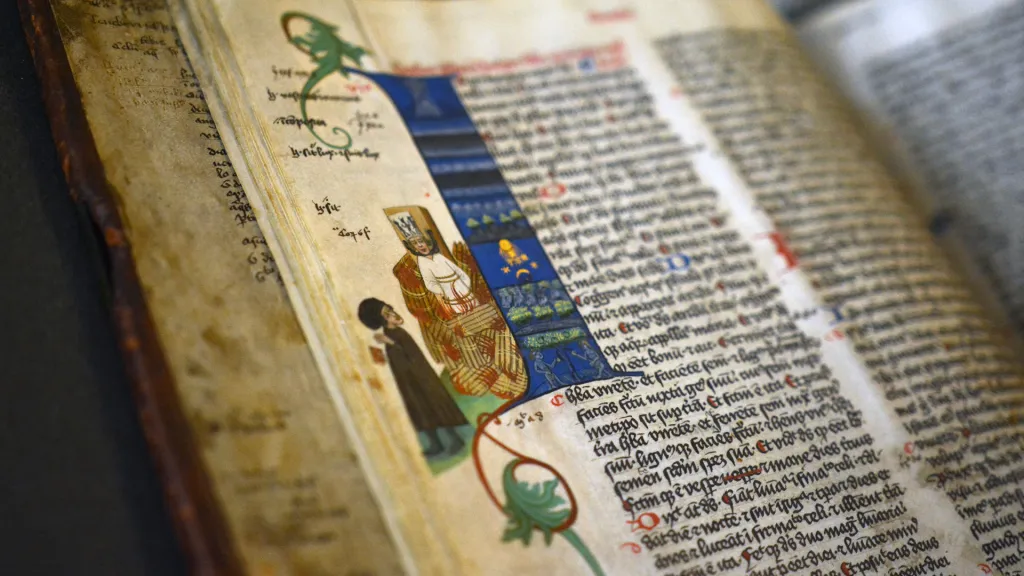
Fig. 5: The Martinice Bible, c. 1430s.
Only recently was it demonstrated that the historical collections of LIBCAS preserve the first edition of Albrecht Dürer’s iconic woodcut print Rhinoceros from 1515. Its identification represents a significant discovery: the Library is currently the only institution in the Czech Republic with a verified copy of this edition in its collection.
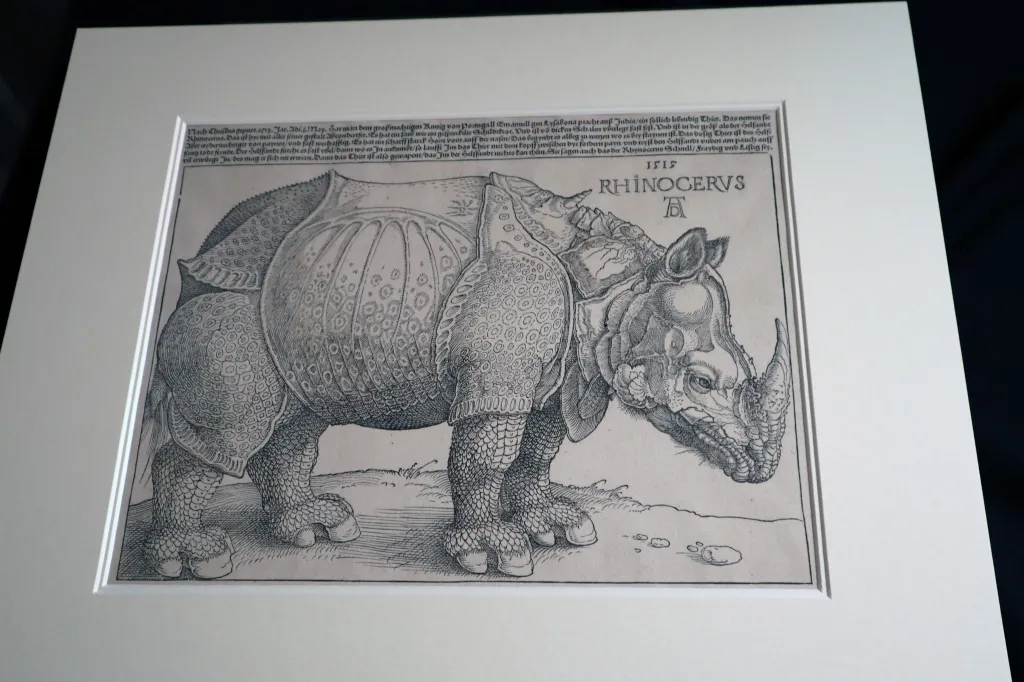
Fig. 6: Albrecht Dürer, Rhinoceros (first edition, 1515).
These three items offer only a glimpse of what is preserved in the historical collections of LIBCAS. But a historical collection is more than a group of remarkable objects. Its value also lies in the work required to identify, describe, contextualise and make its contents accessible. This brings us behind another set of doors.
Behind the doors – The book history department
At the end of the corridor there are two doors.
Behind one of them is the Book History Department, which is responsible for the scholarly development, cataloguing, accessibility and promotion of the historical collections of LIBCAS. Its work extends beyond the physical collections: over the years, the department has developed bibliographic databases, digital research tools and educational projects that make the information contained in historical books accessible to researchers, students and the wider public.
One of its major areas of activity is retrospective bibliography. The department is responsible for the Bibliography of Foreign-Language Printed Bohemica up to 1800 (BCBT), which provides access to foreign-language printed works in the Latin script published in the Czech lands, as well as to Bohemica produced by foreign printing houses, whether defined by authorship or content, up to the end of the 18th century. Together with Knihopis – Bibliography of Czech and Slovak Prints from the Earliest Times to the End of the 18th Century, created by the National Library of the Czech Republic, BCBT forms the Czech National Retrospective Bibliography of Incunabula and Early Printed Books up to 1800.
An important gateway to these resources is Knihověda.cz – The Portal of the History of Czech Book Culture up to 1800. It brings together the results of long-term research into book history in the Czech lands – Bohemia, Moravia and Silesia – and presents them in an integrated and accessible form. The portal provides a single search interface through which the records of BCBT and Knihopis are virtually integrated, while also enabling users to search across a range of other bibliographic and factual resources and providing access to several interconnected research tools.
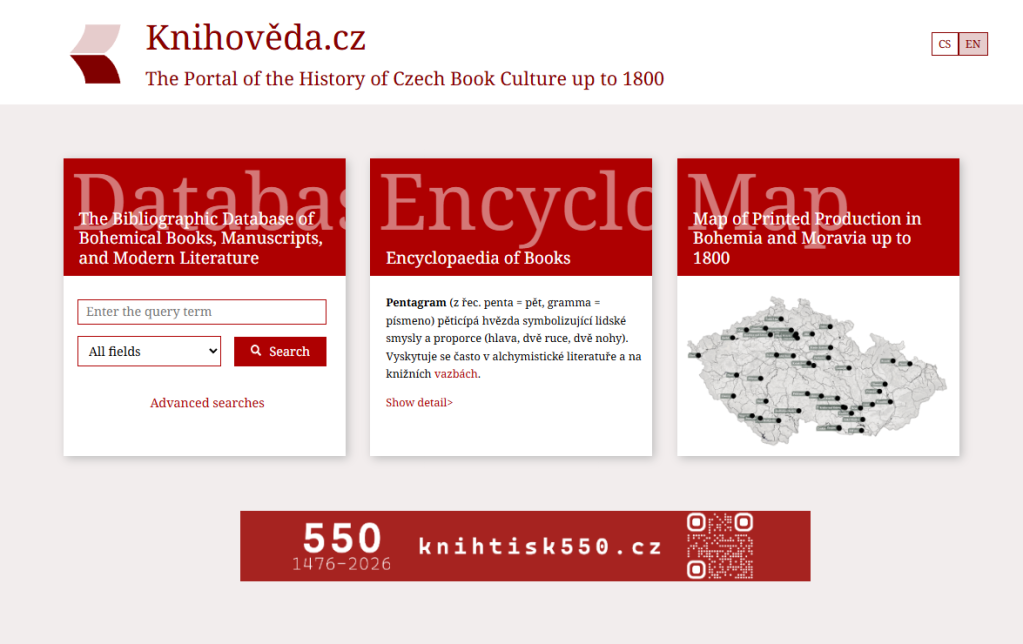
Fig. 7: Knihoveda.cz – The Portal of the History of Czech Book Culture up to 1800.
One of these is the Encyclopaedia of the Book, which covers the history of book culture in the Czech lands from its medieval beginnings to the disappearance of the hand press at the beginning of the 19th century. Integrated into the Knihověda.cz portal, it provides explanatory entries on phenomena of book culture as well as on individual figures associated with book production, and is interconnected with the bibliographic resources.
Another is the Map of Printed Production in Bohemia and Moravia up to 1800, which makes it possible to explore the development of printing in space and time. By visualising printing centres, their production and connections between printers and places of production, it adds a geographical and historical dimension to the bibliographic resources.
The department also develops specialised research databases based on historical bibliographic and visual material. One such project is e-ilustrace, a specialised database of early modern book illustrations from the earliest printed works produced in the Czech lands. It enables the systematic documentation, description and analysis of book illustrations up to the mid-16th century, making them available in high-quality digital form and supporting detailed viewing and comparative analysis.
e-ilustrace was created to organise and make accessible a large body of illustrative material that had previously been recorded inconsistently or not at all. The database uses the ICONCLASS classification system to describe visual motifs, the Mirador viewer to work with digital images, and VISE, developed by the Visual Geometry Group at the University of Oxford, for advanced visual comparison and analysis. Together, these tools connect structured iconographic metadata with image-based research.
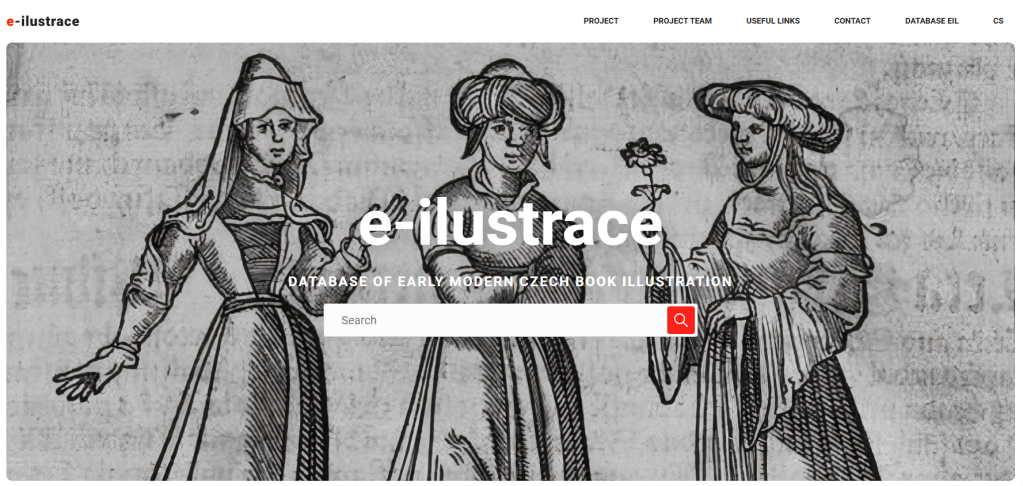
Fig. 8: e-ilustrace.cz – Database of Early Modern Czech Book Illustration.
A more focused example is the Ovid’s Metamorphoses Database, an online platform dedicated to the systematic documentation and study of illustrations preserved in early modern editions of Ovid’s work held by the institution. Users can search, compare and analyse individual illustrations, their subjects and iconographic motifs. Each record combines bibliographic information, image description, references to Ovid’s text and additional scholarly data, opening new possibilities for studying book illustration and the visual reception of Ovid’s work in the early modern period.
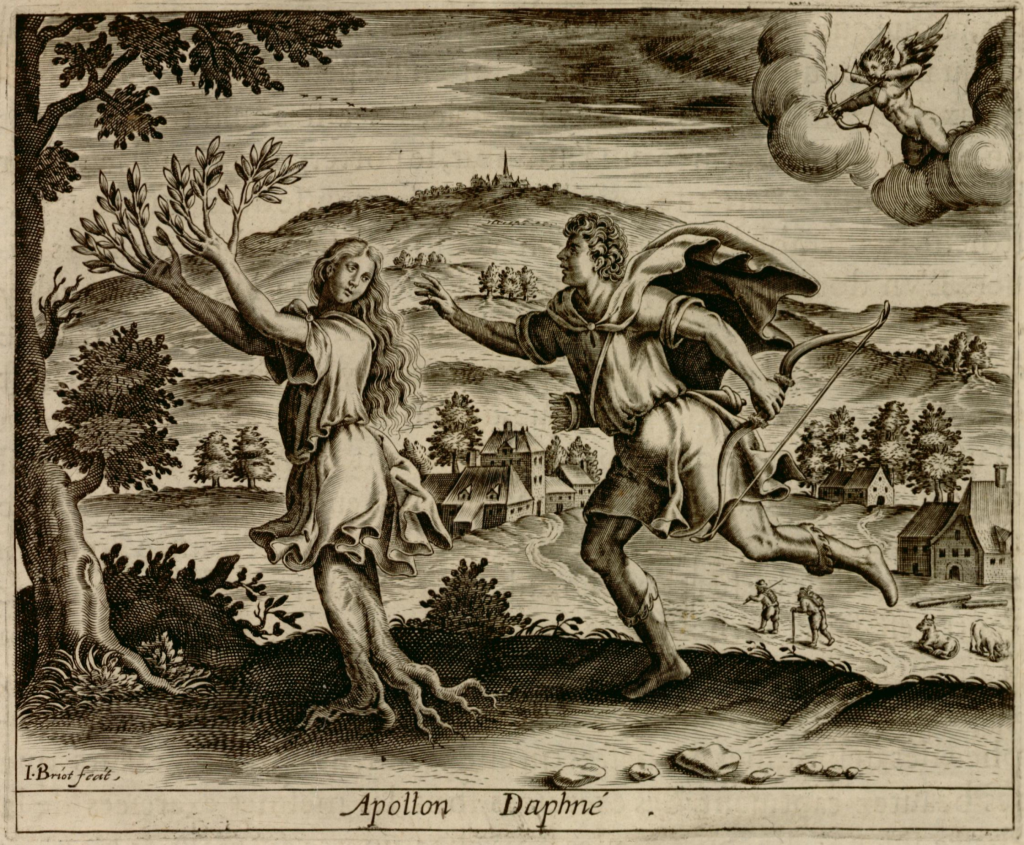
Fig. 9: The Transformation of Daphne – from Ovid’s Metamorphoses Database (Paris: Billaine, Pierre, 1637).
The department’s resources are also connected with the wider international research environment through contributions to international resources such as USTC and ISTC, while planned data integration with CERL and the FAIRification of the underlying data will further support their interoperability and reuse.
But scholarly resources are not intended only for specialists. The educational project Knihovědní detektivové (Book History Detectives) opens selected topics from the history of books to students, teachers and the general public.
Designed for secondary school students aged 12–19, educators and other interested audiences, the project combines several interconnected formats: short animated films, podcasts and accompanying educational materials. Together, they present selected themes from the history of books and demonstrate how the results of scholarly research can be transformed into accessible and engaging forms. The animated films introduce individual topics through storytelling and visual interpretation, podcasts explore them in greater depth, and the accompanying materials provide additional information and inspiration for educational use.
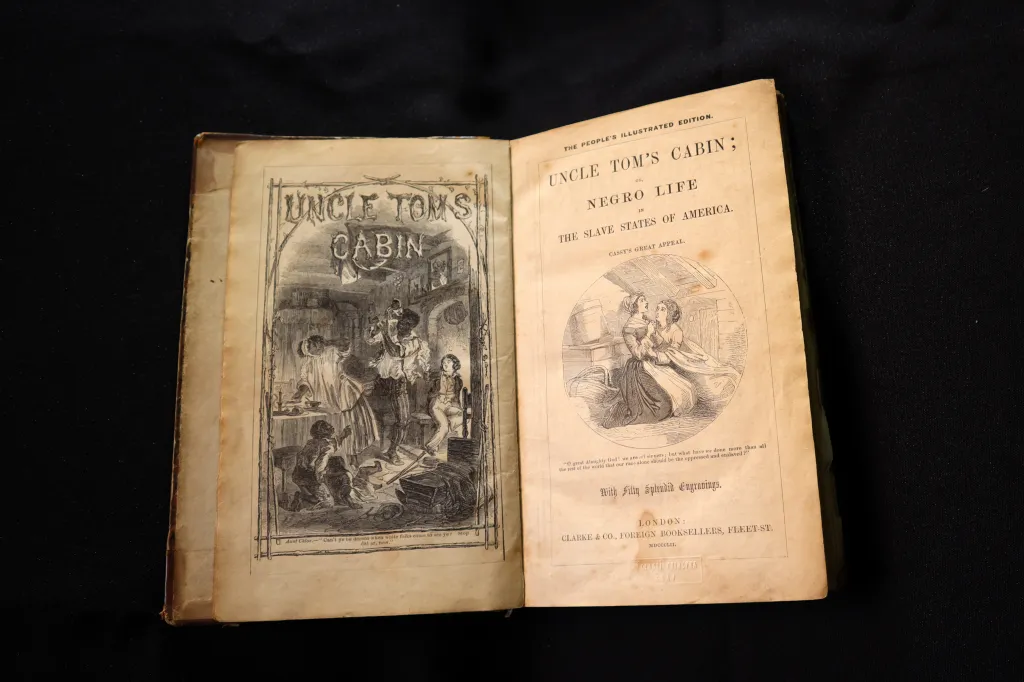
Fig. 10: Still from the animated film Uncle Tom’s Cabin, part of the Knihovědní detektivové educational project.
Behind the doors – Centre for advanced book history research
If we leave the Book History Department and enter the opposite door, we arrive at a new research workplace: the Centre for Advanced Book History Research, established in 2025. Its work builds on the Library’s long-standing engagement with the history of book culture, while opening this tradition to new interdisciplinary questions and methods.
Here, books are approached not simply as carriers of texts, but as complex historical objects: products of printing and publishing, commodities circulating through commercial and social networks, physical artefacts shaped by paper, typography, illustration and binding, and objects that were collected, read, exchanged and sometimes carried across Europe. This broader perspective is also reflected in the Centre’s methodology, which combines traditional archival, bibliographical and provenance research with digital humanities approaches, including the analysis of large datasets, mapping and network analysis.
One of the Centre’s principal areas of research is Rudolphine Prague (1580–1618), when the imperial capital became an exceptional centre of intellectual, artistic and commercial life. Rather than focusing solely on the books printed there, the research explores the entire world surrounding their production. It maps printers, publishers, bookbinders, authors and readers, investigates the intellectual circles associated with individual printing houses, and traces the distribution and reception of their books. Particular attention is also paid to publishing strategies, languages and translations, and the visual appearance of printed books. In this way, the project seeks to reveal the wider networks of people, places and ideas that shaped Prague’s book culture around 1600.
A second major research area concerns the Swedish literary spoils of war from the Czech lands. This long-term project documents books confiscated during the Thirty Years’ War, reconstructs the original libraries from which they came, and traces the often complex journeys of individual volumes into other European collections. The resulting digital portal combines bibliographical and provenance data with maps, images and historical sources, turning the story of wartime confiscations into a large-scale historical detective story. The research is conducted in close cooperation with Swedish scholars and heritage institutions and places the surviving books within the broader history of cultural transfer in Europe.
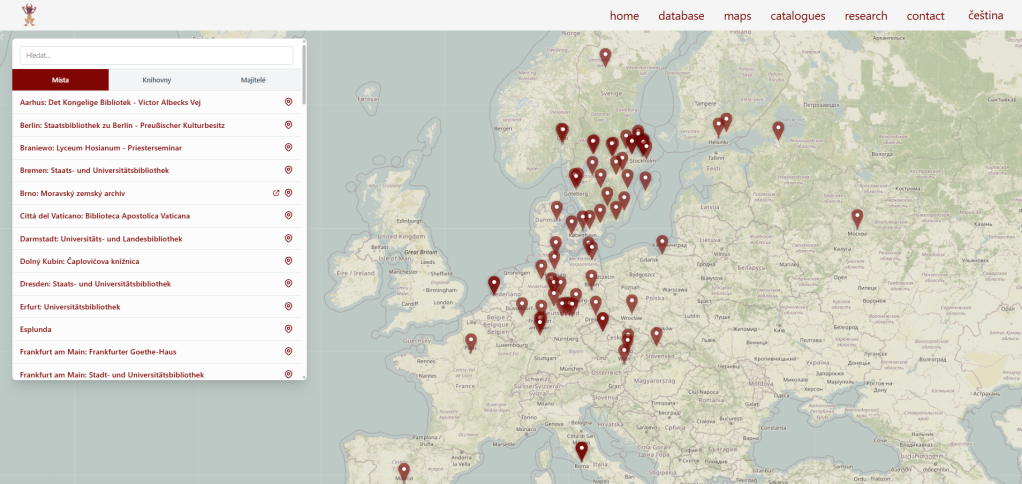
Fig. 11: Swedish Literary Spoils of War from the Czech Lands – Bibliographic and Information Portal.
Other projects explore printing as an instrument of cultural and religious identity. Research into the book culture of the Unity of the Brethren focuses on its famous printing workshop, first based in Ivančice and later in Kralice, paying particular attention to the material characteristics of its production and to the role of print in shaping the religious and intellectual life of the community. Research into Hebrew printing in the Czech lands similarly examines how changes in language, genre and publishing practices reflected broader transformations in Jewish society during the 18th and early 19th centuries. Together, these projects demonstrate how the history of printing can shed light on communities that developed distinctive cultural strategies within the multilingual and multiconfessional environment of Central Europe.
The Centre presents the results of its research not only through scholarly articles and digital projects, but also in book publications. Recent and forthcoming publications include a monograph on the Swedish literary spoils of war from the Czech lands and a book on Hebrew printing in Moravia.
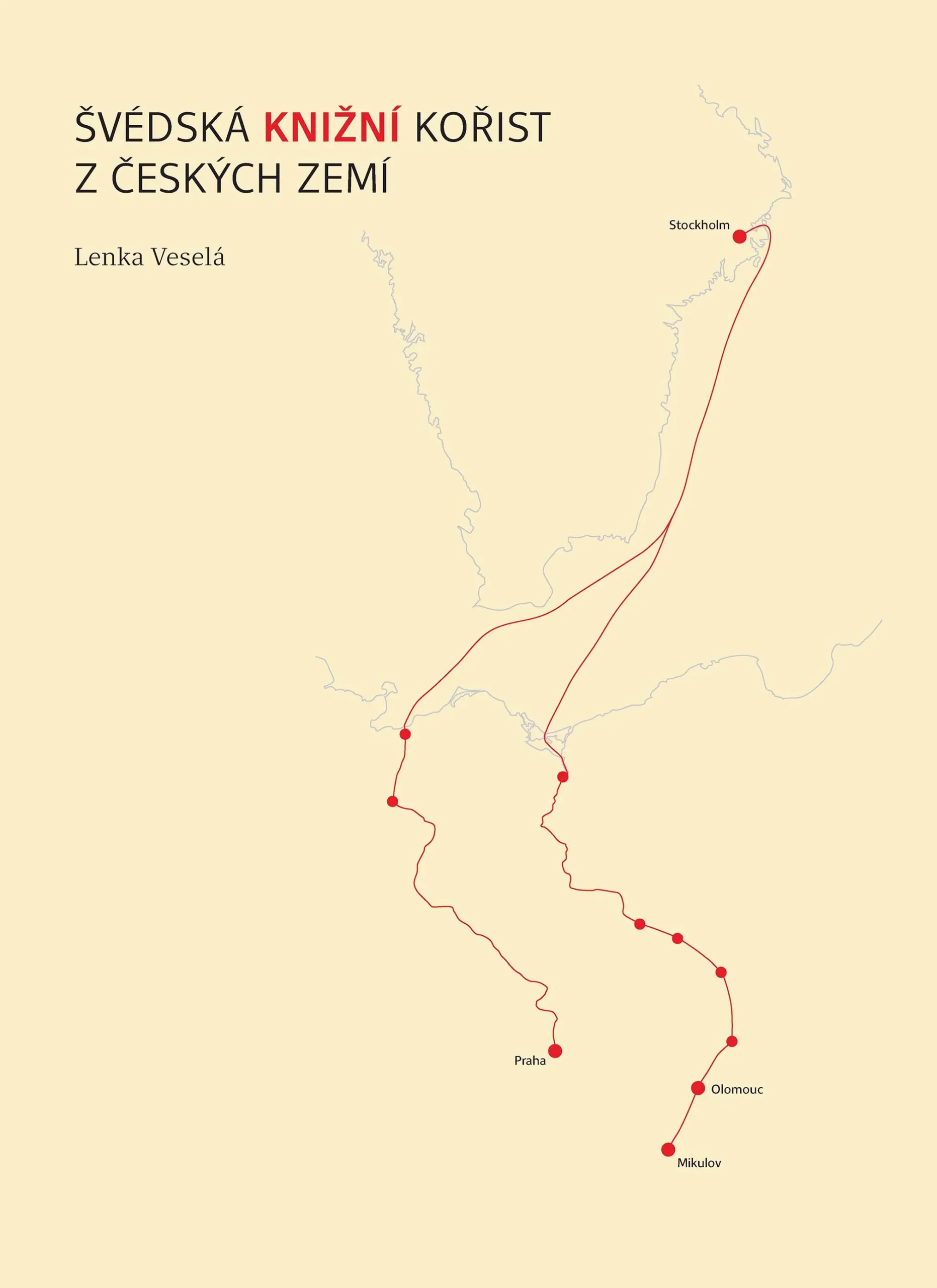


Fig. 12: The monograph Swedish Literary Spoils of War from the Czech Lands, published in 2025.
Fig. 13: Cover of the forthcoming monograph Hebrew Printing in Moravia in the Second Half of the 18th Century.
Fig. 14: The scholarly journal Knihy a dějiny (Books and History).
The Centre also contributes to the development of methods for describing and analysing visual material and provides specialist consultation in this field. Its research is disseminated through scholarly publications and digital projects, as well as through the peer-reviewed journal Knihy a dějiny (Books and History), an established platform for research into book history and related disciplines.
The Centre for Advanced Book History Research and the Book History Department work closely together, while focusing on different aspects of book history. The Centre approaches book culture from a broader European perspective, examining the historical, cultural and social contexts of books and their circulation. The Book History Department focuses primarily on retrospective bibliography, historical collections, metadata and public outreach. Both units, however, share a strong commitment to digital humanities, using structured data, digitised sources and digital research tools to connect historical collections with new forms of research.
Where next? From sources to knowledge
Our tour now comes to an end. We walked through the historic reading room, looked behind the doors of two specialised research workplaces and explored how LIBCAS connects historical collections, bibliographic research, digital technologies and the study of book culture. The next time you walk along Prague’s Národní Street, you may look differently at the large wooden doors opposite the New Stage of the National Theatre. Behind them lies not only a beautiful historical reading room, but also a space where historical sources are transformed into structured data, research tools, and new insights into the history of books in the European context.
Yet this is just one piece of a much larger story. Prague is home to other exceptional institutions of this type. LIBCAS is proud to stand alongside fellow Czech CERL members – the National Library of the Czech Republic and the National Museum Library – in safeguarding this shared heritage. This cooperation feels especially meaningful this year, as we jointly celebrate the 550th anniversary of the introduction of printing to the Czech lands. Looking to the future, we are excited to strengthen these European ties further and hope to host an upcoming meeting of a CERL working group right here in Prague, continuing to connect historical collections, research and expertise across Europe.
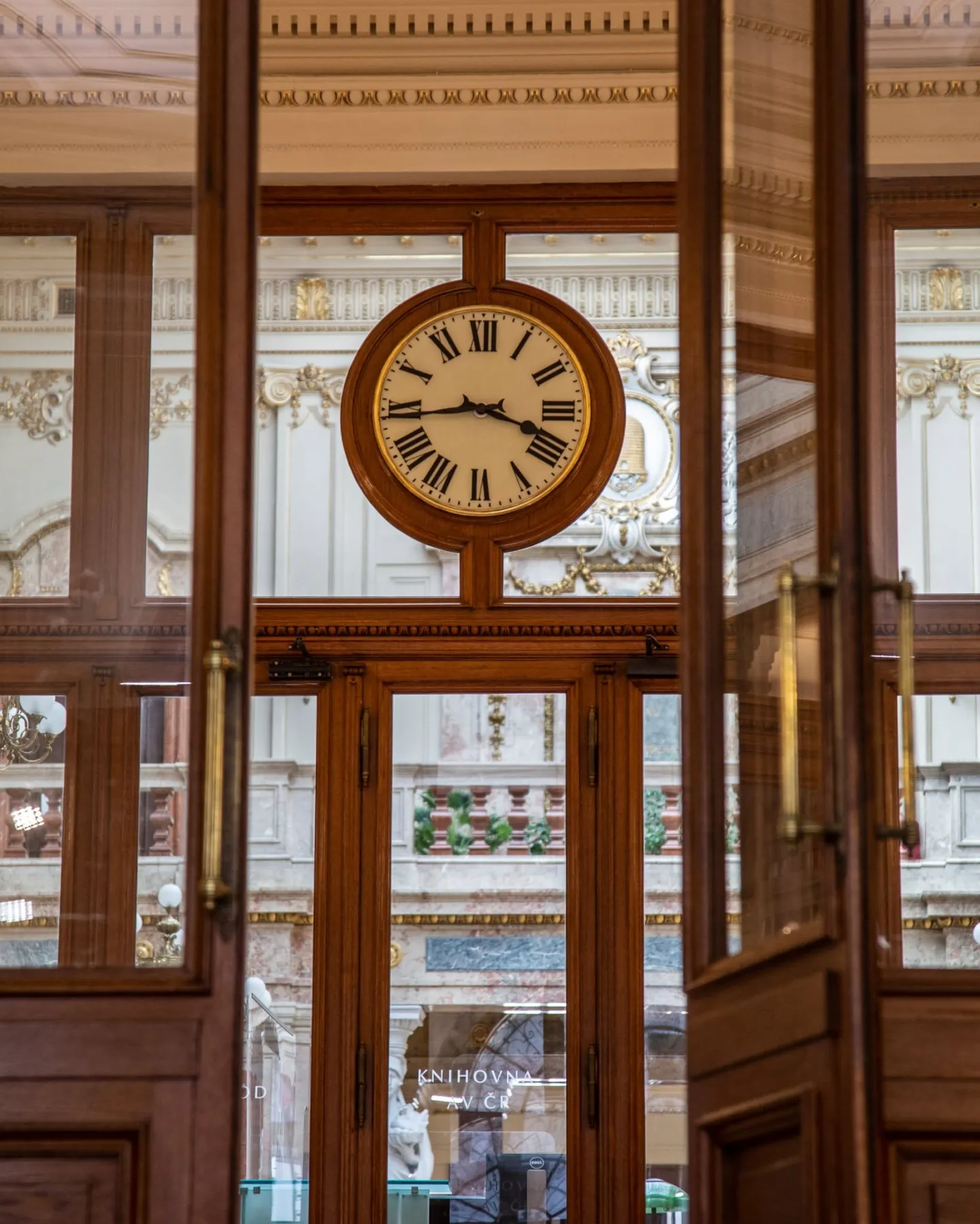
Fig. 15: Open doors to the Library of the Czech Academy of Sciences.
Related articles
November 9, 2026
by Konrad K. Szymański (Ossolineum National Library, Wrocław)
November 9, 2026