
Martynas Mažvydas National Library of Lithuania: its History and Collections
by Dr. Jolanta Budriūnienė and Dr. Viktorija Vaitkevičiūtė, Martynas Mažvydas National Library of Lithuania
Share this article
In the spring of 2026, the Martynas Mažvydas National Library of Lithuania (hereinafter referred to as the National Library) became a Special Member of CERL. We invite you to learn about the history of the National Library and its collections of documentary heritage, which also shed light on certain aspects of Lithuanian history.
The National Library traces its origins to 20 December 1919, when a resolution [1] signed by Prime Minister Ernestas Galvanauskas (1882–1967) established the Central State Bookstore in Kaunas, the predecessor of the current National Library. As a contemporary of the Lithuanian state, which was restored in 1918, the National Library has also become one of the most important witnesses to the processes of its history—years of rise and decline, and complex upheavals.
Historical circumstances meant that the collections—or parts thereof—of a considerable number of manor libraries found a home here during the very first decades of the library’s existence. Thus, the original collection of the National Library was formed precisely from the libraries of Lithuanian manors. After beginning operations in 1919, the National Library expanded its collections by receiving mandatory copies of publications issued in Lithuania, collecting old books and scholarly and other works published abroad, acquiring books from former institutions of the tsarist government, accepting donations, as well as by registering and overseeing private book collections that had been left in Lithuania without their owners [2]. In 1919, state intervention was necessary because many manor collections were in a deplorable state following the withdrawal of the Germans; some were destroyed by the Lithuanian army, while others had been removed and needed to be returned to Lithuania [3]. Manor books were also added to the National Library’s collections in 1940, when the Soviets occupied Lithuania: at that time, the registration and nationalization of manor assets was carried out. The registered assets were transferred to museums and libraries.
After World War II, as the library’s collections grew rapidly, visitor numbers increased, and the staff expanded, it was decided to relocate the library to Vilnius. On 4 December 1963, the library’s current building was officially opened. It was the first building in the Baltic states designed and built exclusively for a library.
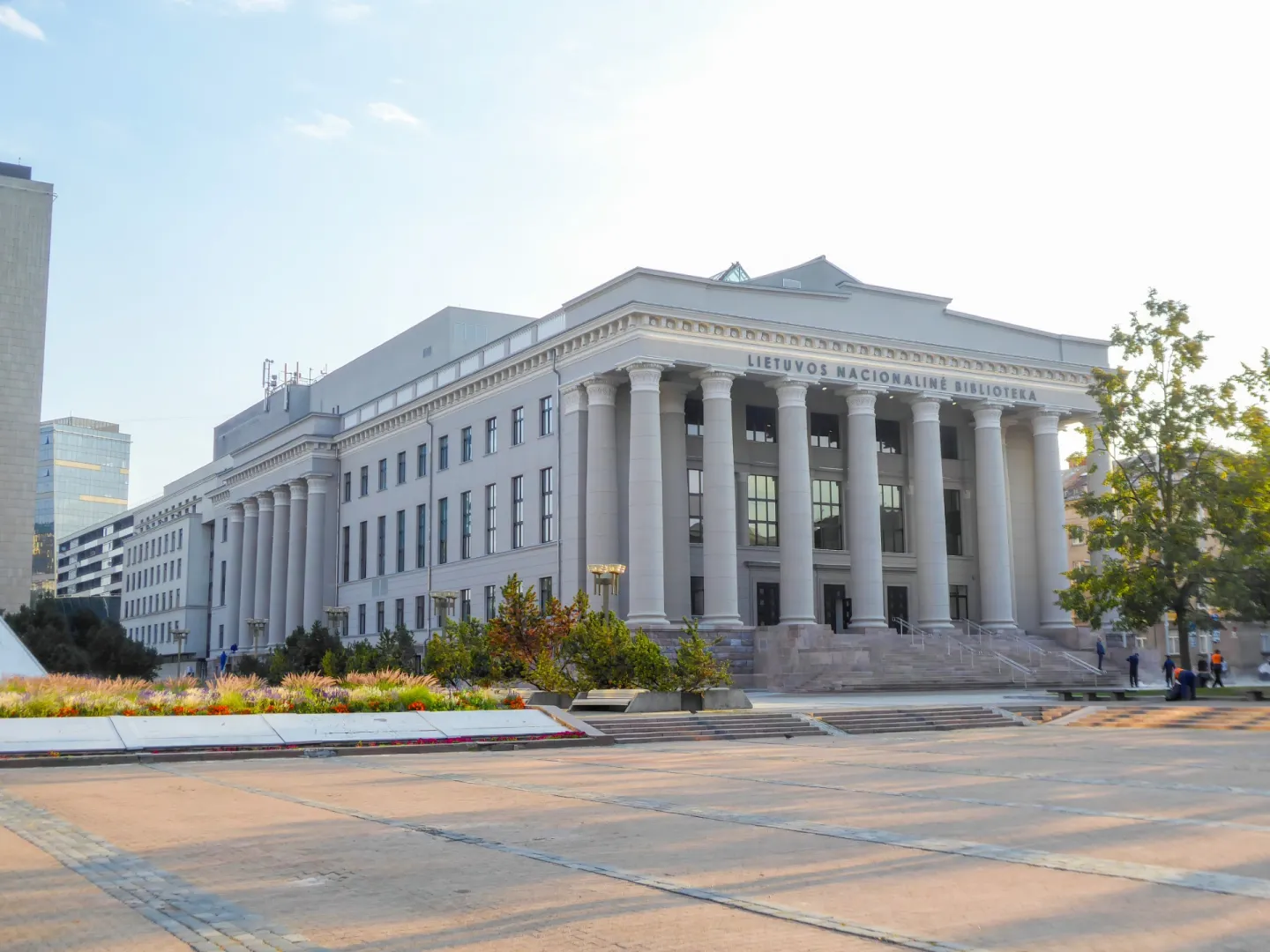
Figure 1: View of the current library building
In 1988, the library was named after Martynas Mažvydas (c. 1510/1520–1563), an Evangelical Lutheran priest and the compiler of the first Lithuanian book (published in 1547), and in 1989, it was granted the status of a national library. Since 30 May of that year, the library’s official name has been the Martynas Mažvydas National Library of Lithuania.
The National Library began operating at full capacity only after Lithuania regained its independence on 11 March 1990. On 20 November 1991, by a resolution of the Presidium of the Supreme Council (Reconstituent Seimas), the National Library was entrusted with the function of a parliamentary library. This paved the way for consistent cooperation with the Seimas of the Republic of Lithuania and state institutions, providing them with high-quality analytical information. In 2003, the National Library’s annex—construction of which had begun in 1992—was officially opened.
The National Library is the repository of Lithuania’s documentary heritage. It is tasked with collecting and preserving the nation’s written cultural heritage and providing the public with access to it. The Lithuanian National Archive of Published Documents collects and preserves documents of all types published in Lithuania in other languages, as well as those published abroad that are related to Lithuania, dating from the 16th century to the present day. Currently, the archive consists of over 2.5 million physical items. The oldest Lithuanian book preserved at the National Library is Postilė (Königsberg, 1591) by the Evangelical Lutheran pastor Jonas Bretkūnas (1536–1602). It is the first printed collection of sermons in the Lithuanian language, the first publication of Lithuanian prose, and the first illustrated religious book in Lithuanian.
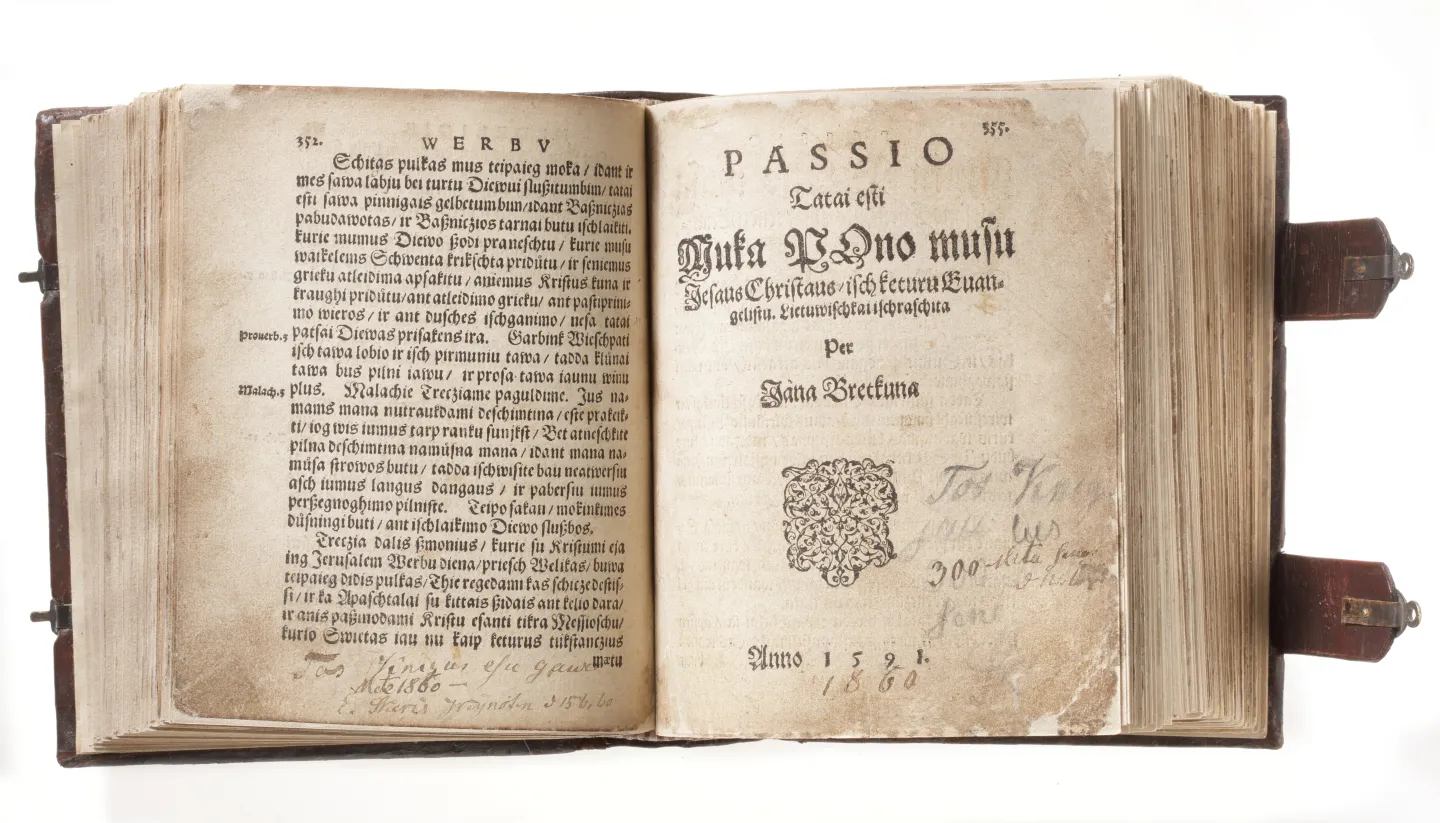
Figure 2: Jonas Bretkūnas, ‘The Postil’, 1591, photograph by Virgilijus Usinavičius
The Rare Books and Manuscripts Collection holds approximately 90,000 printed works from the 15th to the 21st centuries, over 100,000 manuscripts and archival documents from the 14th to the 21st centuries, as well as dissertations defended in Lithuania since 1994. Of particular value is the collection of 151 parchments. It consists of privileges granted by the kings of Poland and the Grand Dukes of Lithuania, as well as letters from nobles and bishops, papal bulls and breves, documents of the Supreme Tribunal of the Grand Duchy of Lithuania, historical documents from France and Italy, and other documents, including the oldest manuscript book preserved in the collection —a late 14th-century copy of the book De claustro anima (‘The Cloister of the Soul’) by the French theologian Cardinal Hugues de Fouilloy (c. 1100/1110–c. 1172/73).
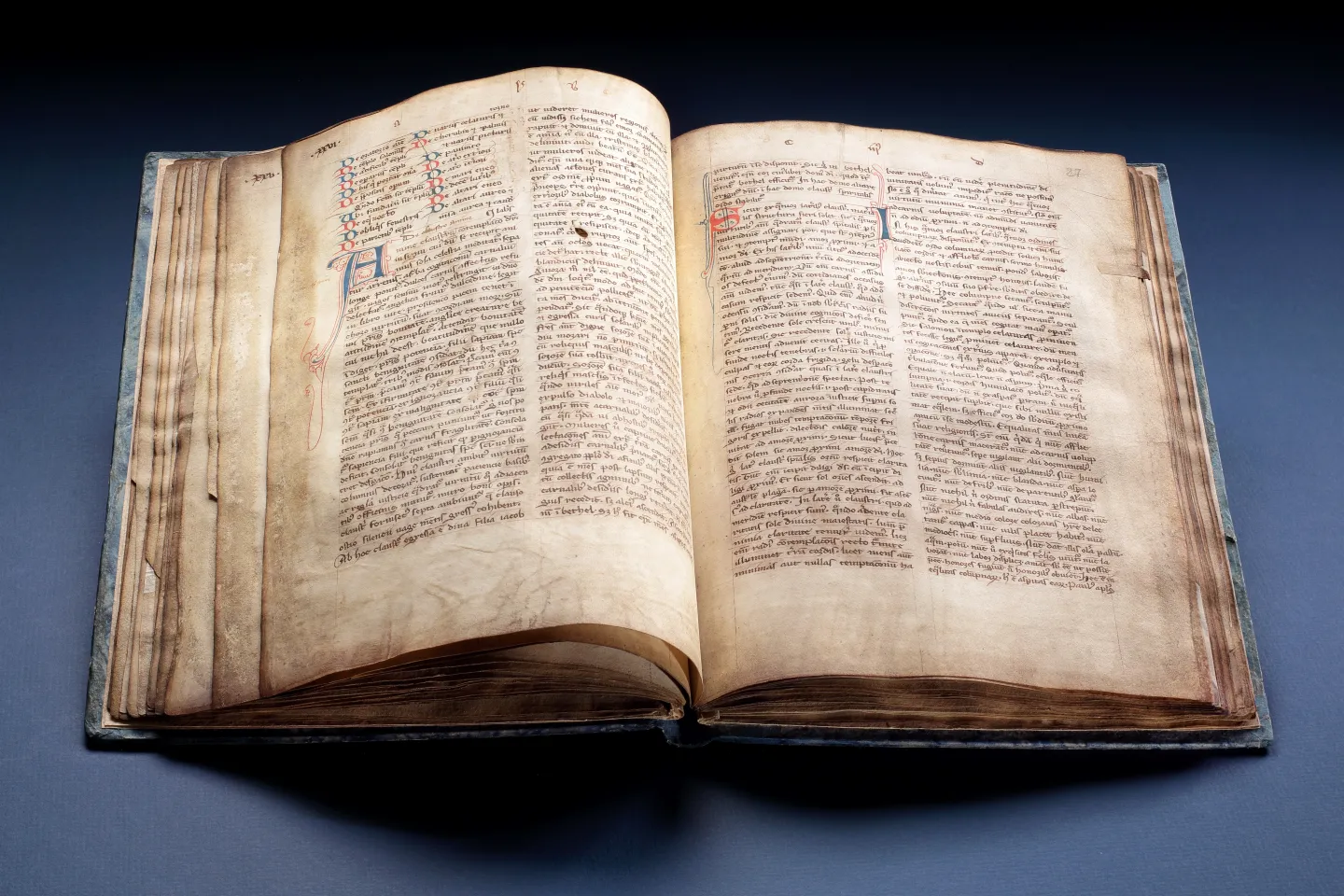
Figure 3: Hugues de Fouilloy, De claustro animae, late 14th century, photograph by Virgilijus Usinavičius
The oldest Lithuanian-language parchment is a legal document dated 16 April 1465, issued by Casimir Jagiellon (1427–1492), King of Poland and Grand Duke of Lithuania, concerning the transfer of land ownership rights.
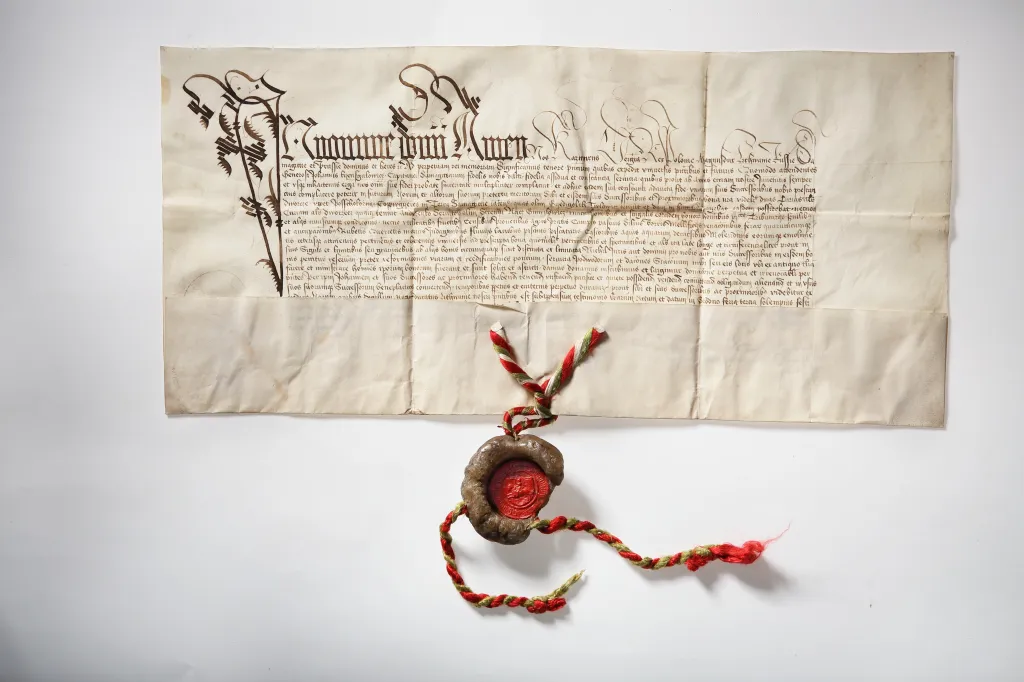
Figure 4: Charter of Casimir IV, King of Poland and Grand Duke of Lithuania’,
Grodno, April 16, 1465, photograph by Virgilijus Usinavičius
The largest part of the manuscript collection consists of the archives of individuals from the 19th–20th centuries (Lithuanian writers, scholars, artists, and cultural figures who lived in Lithuania and abroad), the largest of which is that of the artist, set designer, and heraldist Mstislav Dobuzhinsky (Mstislavas Dobužinskis, 1875–1957)—over 6,000 items. M. Dobuzhinsky’s heraldic contribution to the creation of the symbols of the restored Lithuanian state can be explored in the album Mstislavas Dobužinskis’s heraldry: not only a science; it is an art (Vilnius, 2018). Also noteworthy is the collection of historical documents from 1502 to 1911 compiled by the nobleman Juozas Daugirdas (1803–1871), historical documents from Lithuania Minor, and the archives of the Synod of the Evangelical Reformed Church of Lithuania. The Rare Books and Manuscripts Collection also houses memorial collections entrusted to the library by prominent figures in Lithuanian science and culture: the Lozoraitis family of diplomats, philosopher Antanas Maceina (1908–1987), poet Tomas Venclova (b. 1937), literary scholar and theatre scholar Irena Veisaitė (1928–2020), and others (a total of approximately 60,000 items).
Among the valuable collections of printed works, incunabula—the first printed books—are particularly noteworthy. The incunabula held by the National Library are featured in a catalogue published in 2014. Among the 93 incunabula currently identified, one of the most significant for Lithuania is the richly illustrated Liber chronicarum (‘The Book of Chronicles’, Nuremberg, 1493), which contains a description of Lithuania and depicts the country through an imaginative illustration, while the name of Lithuania, Littav, is mentioned on the map of Europe included in the chronicle
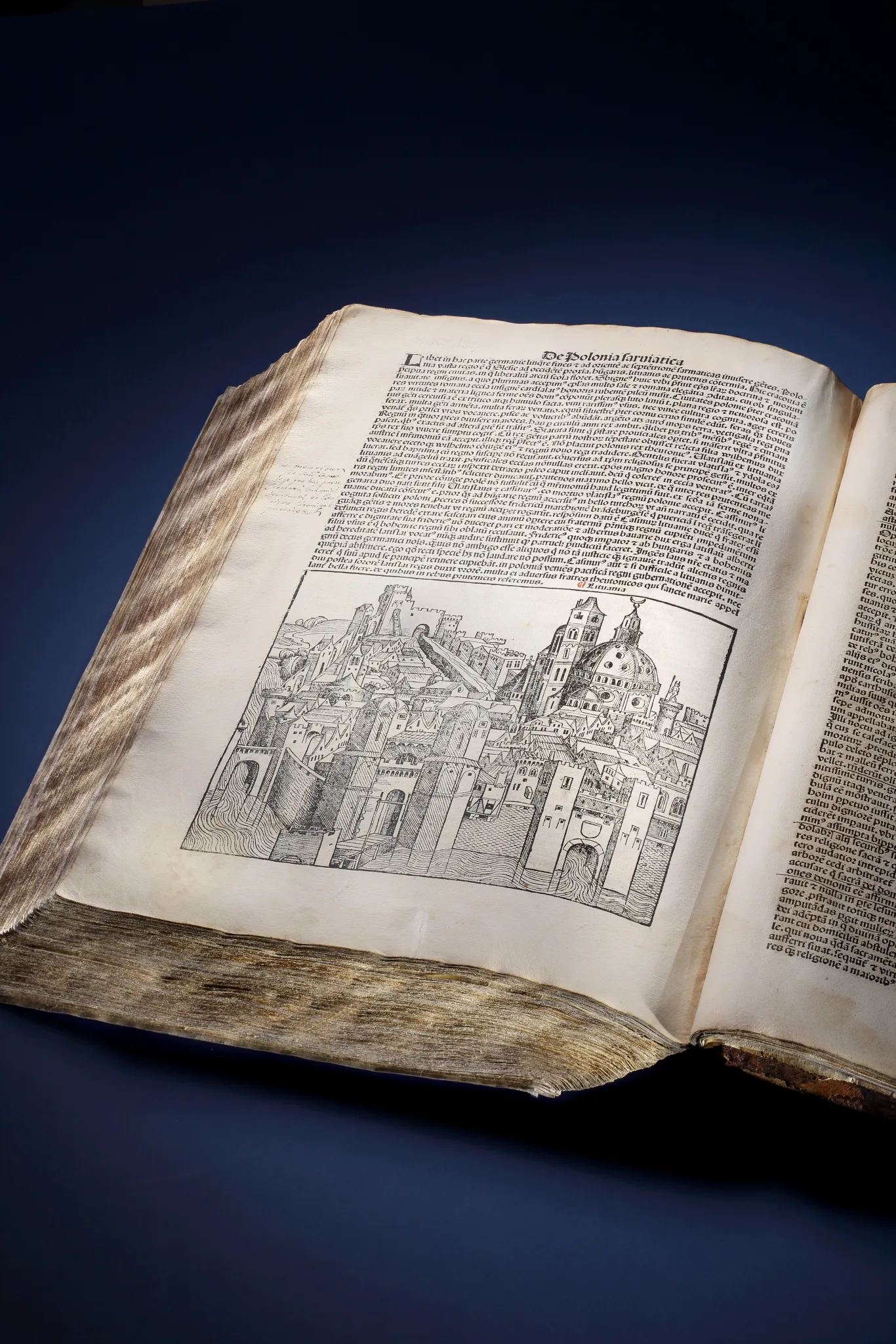
Figure 5: The Imaginative Image of Vilnius in H. Schedel’s Liber chronicarum, photograph by Virgilijus Usinavičius
Among European printed collections, the publications of the Plantin-Moretus printing house are particularly noteworthy. The Officina Plantiniana, which operated from the mid-16th century to the mid-19th century, was one of the most productive printing houses in Europe. The National Library has identified 287 titles of books from this printing house (392 copies). They are presented in the catalogue The Officina Plantiniana Collection at the National Library of Lithuania (Vilnius, 2022) [4]. The National Library houses early editions of the writings of the Reformers (Martin Luther (1483–1546) and Philipp Melanchthon (1497–1560)), humanists, and figures from antiquity, as well as commentaries on these works. A large portion of the printed works belonged to Lithuanian secular and ecclesiastical institutions (the Kražiai College, the Bernardine Monastery in Tytuvėnai, the Benedictine Seminary in Vilnius, the Vilnius Diocesan Seminary) as well as to the libraries of individuals (Bishop Merkelis Giedraitis of Samogitia (1536–1609), theologian Jonas Krizostomas Gintila (1788–1857), and German music theorist Friedrich August Gotthold (1778–1858)). The National Library also houses a collection of three books that belonged to one of Lithuania’s earliest bibliophiles—Sigismund Augustus (1520–1572), King of Poland and Grand Duke of the Grand Duchy of Lithuania. The books from the monarch’s library can be identified by their Renaissance-style brown bindings, which bear a supralibros: on the upper hardcover is the gilded coat of arms of Lithuania and Poland, and on the lower one is the inscription Sigismundi Augusti Regis Poloniae Monumenti.
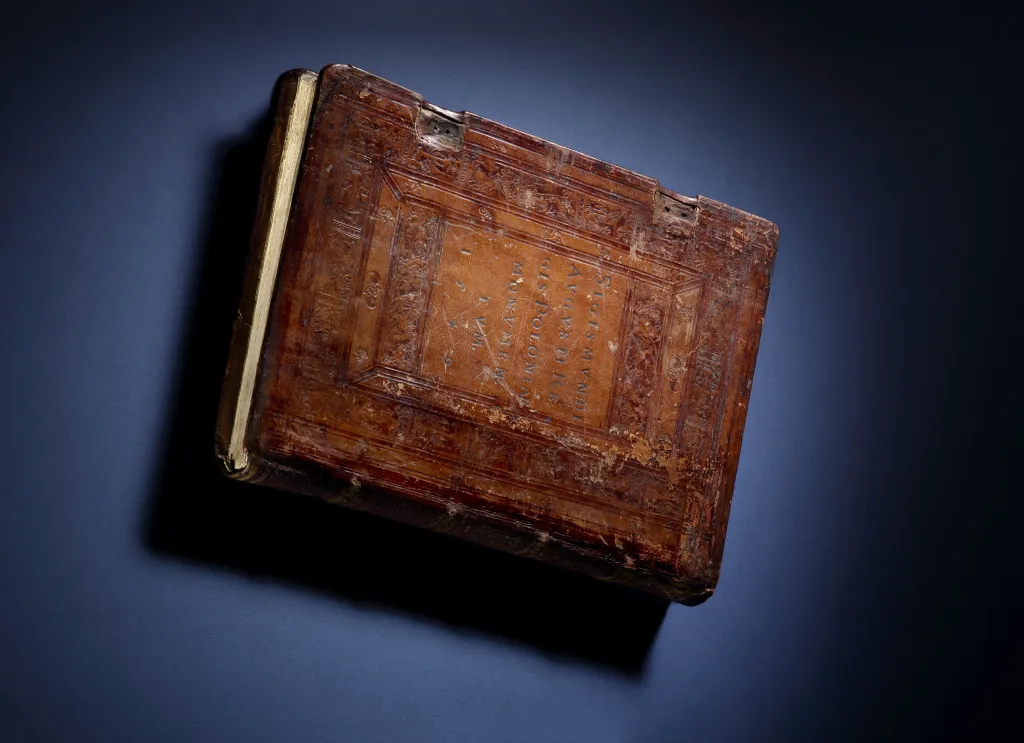
Figure 6: The King’s supralibros, photograph by Virgilijus Usinavičius
Research into old historical collections and manuscript archives, which is being conducted with great vigour at the National Library, opens up new perspectives on Lithuanian history, the recording of historical facts, the interpretation of events, and the evaluation of prominent figures’ activities. Noteworthy is the research into the histories of manor libraries and the reconstruction of their collections, which attests to the vibrant manor culture that flourished in the 19th century—in many cases, these manors became centres of art, science, and culture. A considerable number of manorial family libraries have now been identified, among which the relatively well-preserved archives and book collection of the Counts Kossakowski family stand out in particular, revealing the owners’ wide-ranging interests and active social, political, and cultural engagement.
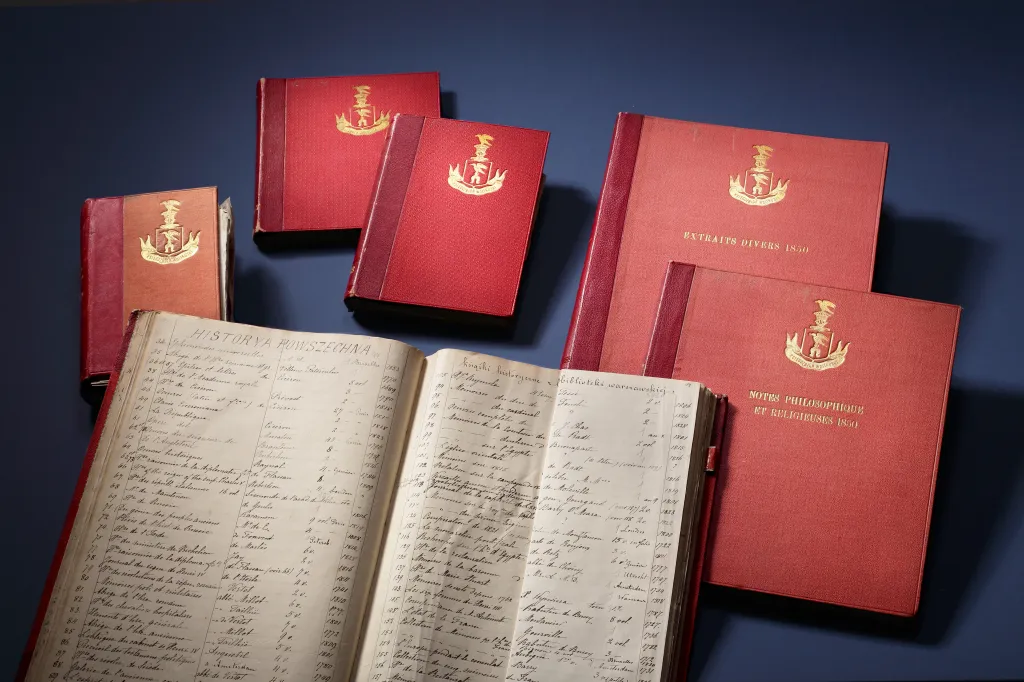
Figure 7: Books from the Kossakowski library
To date, more than 3,000 books that belonged to the Kossakowski have been identified. Other identified personal libraries of landowners worth mentioning include those of the Ogiński, the Hutten-Czapski, the Tyszkiewicz, the Kończa, the Plater, the Rönne, the Ropp, the Keyserling, the Łopaciński, the Tyzenhauz, the Weyssenhoff, the Giełgud, and others.
The National Library’s collection of documents also features a Judaica collection, which consists of publications on cultural studies, religion, theology, and the general and Lithuanian Jewish history in Yiddish and Hebrew, as well as classical and contemporary Jewish literature (in various languages). Currently, the oldest book in Hebrew is an incunabulum—the Book of the Prophets from the Bible (Soncino, 1485).
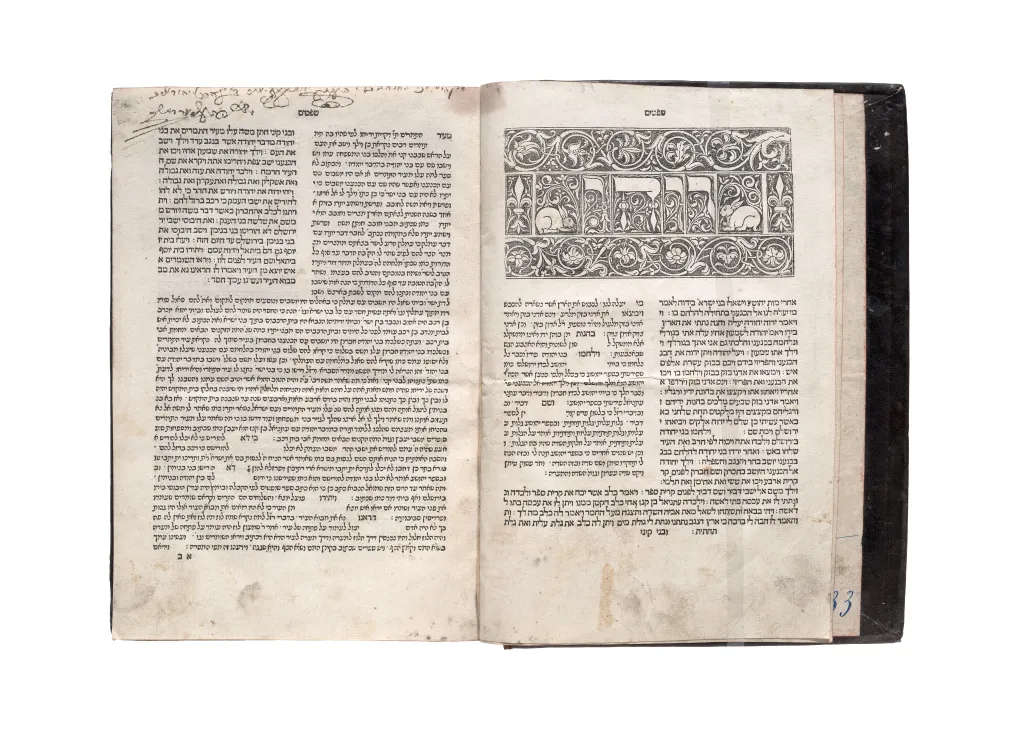
Figure 8: The spread of the incunabula in Hebrew
Among the unique archival documents is a handwritten collection of poems by the poet Avrom Sutzkever (1913–2010) titled “Ten Poems”, written in the Vilnius Ghetto in 1942–1943, and published in 2019 with translations into English and Lithuanian.
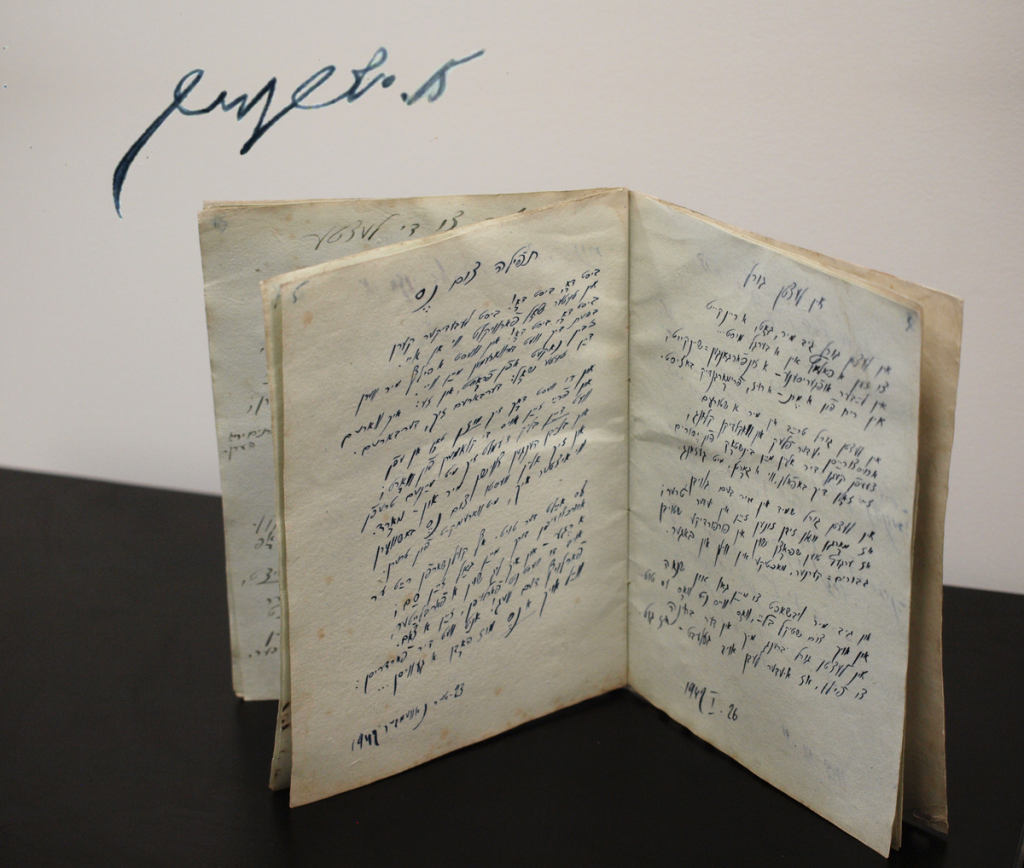
Figure 9: Manuscript of Avrom Sutzkever, photograph Miglė Anušauskaitė
In 2025, to mark the centenary of YIVO, the Jewish Scientific Institute that operated in Vilnius from 1925 to 1941, an anthology of YIVO correspondence Dear Jewish Scientific Institute! An Anthology of YIVO Correspondence in Vilnius (1925–1941) was prepared and published.
The most valuable and significant 14th–19th-century manuscripts and printed documents from the National Library are presented in the book Ex Libris Bibliothecae nationalis Lituaniae: from the collections of the National Library of Lithuania (Vilnius, 2024).
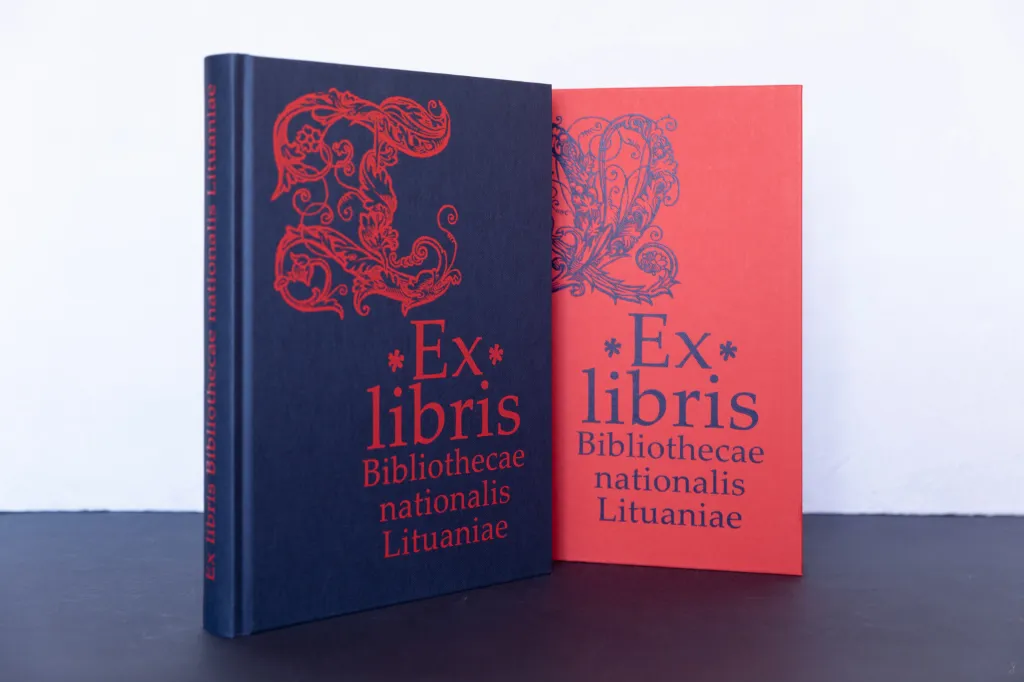
Figure 10: Ex Libris Bibliothecae nationalis Lituaniae, 2024, photograph Vygaudas Juozaitis
It is important to note that 13 cultural heritage items preserved at the National Library are inscribed on the UNESCO “Memory of the World” Register [5]. They bear witness to the uniqueness of Lithuanian culture and history. Notable among them are the collection of Mattityahu Strashun (1817–1885), a collection of works by the Vilna Gaon published in Lithuania and abroad, documents published in Yiddish and Hebrew in Lithuania (1759–1940) and abroad (16th century–1940), Taislius augyminis (‘Plant System’, 1843) by Franciscan priest, physician, and botanist Jurgis Ambraziejus Pabrėža (1771–1849)—the first handwritten work on botany in the Lithuanian language, which made a significant contribution to the development of Lithuanian botanical terminology, as well as ‘Kražiai Organist’s Notebook’ (Kražiai, 1618)—one of the oldest surviving examples of instrumental music in Lithuania. It reflects the characteristics of professional Western European keyboard music from the first half of the 17th century.
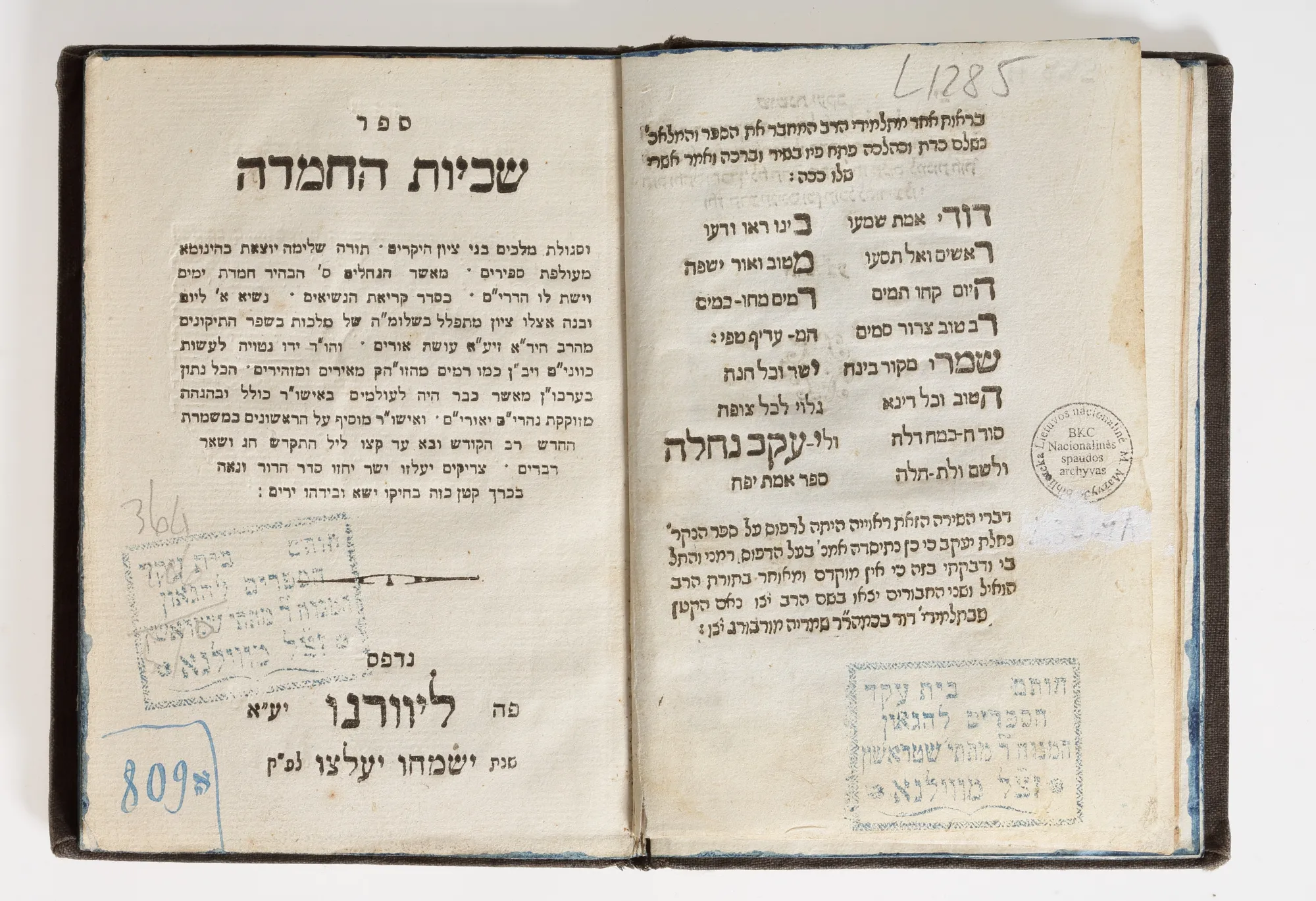
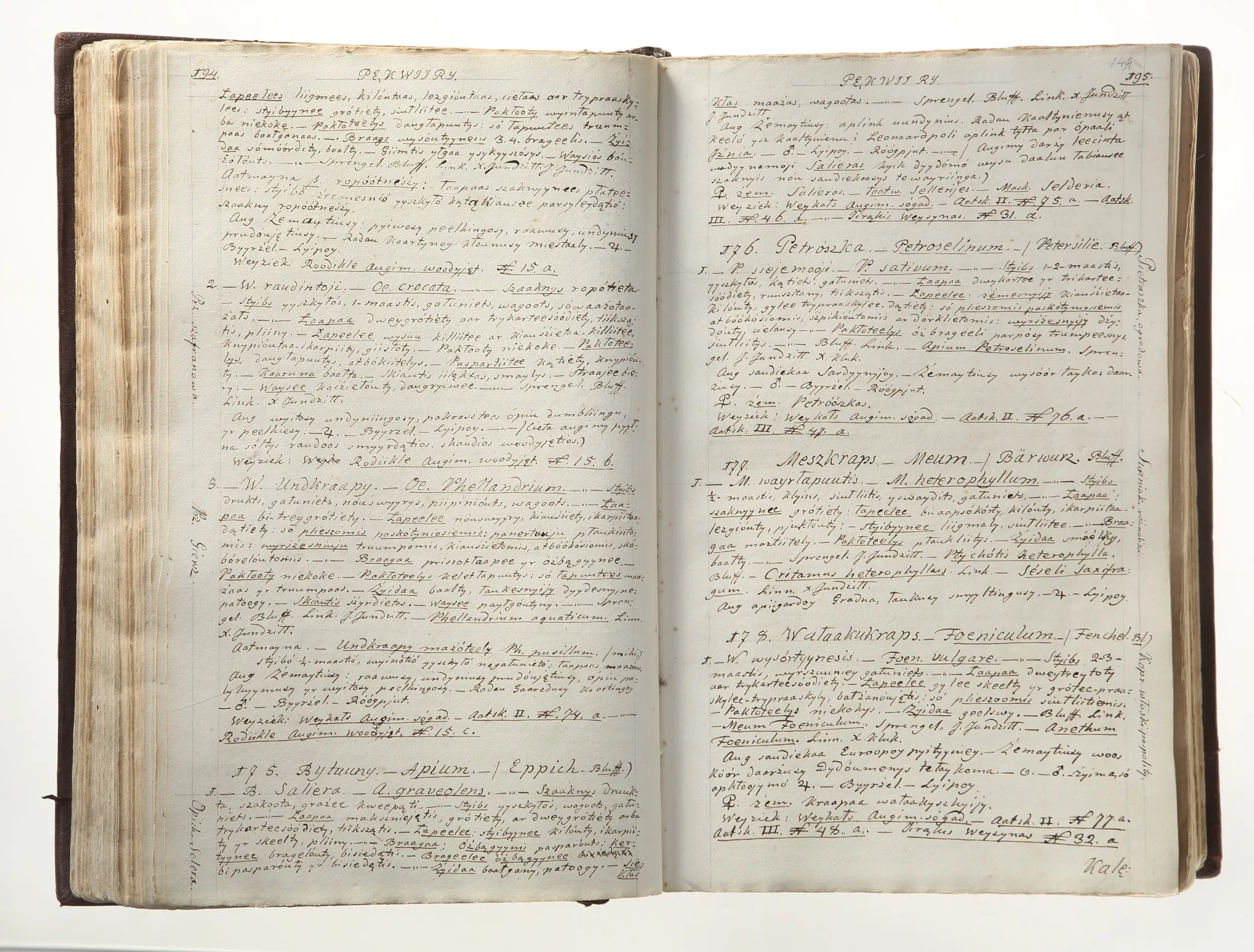
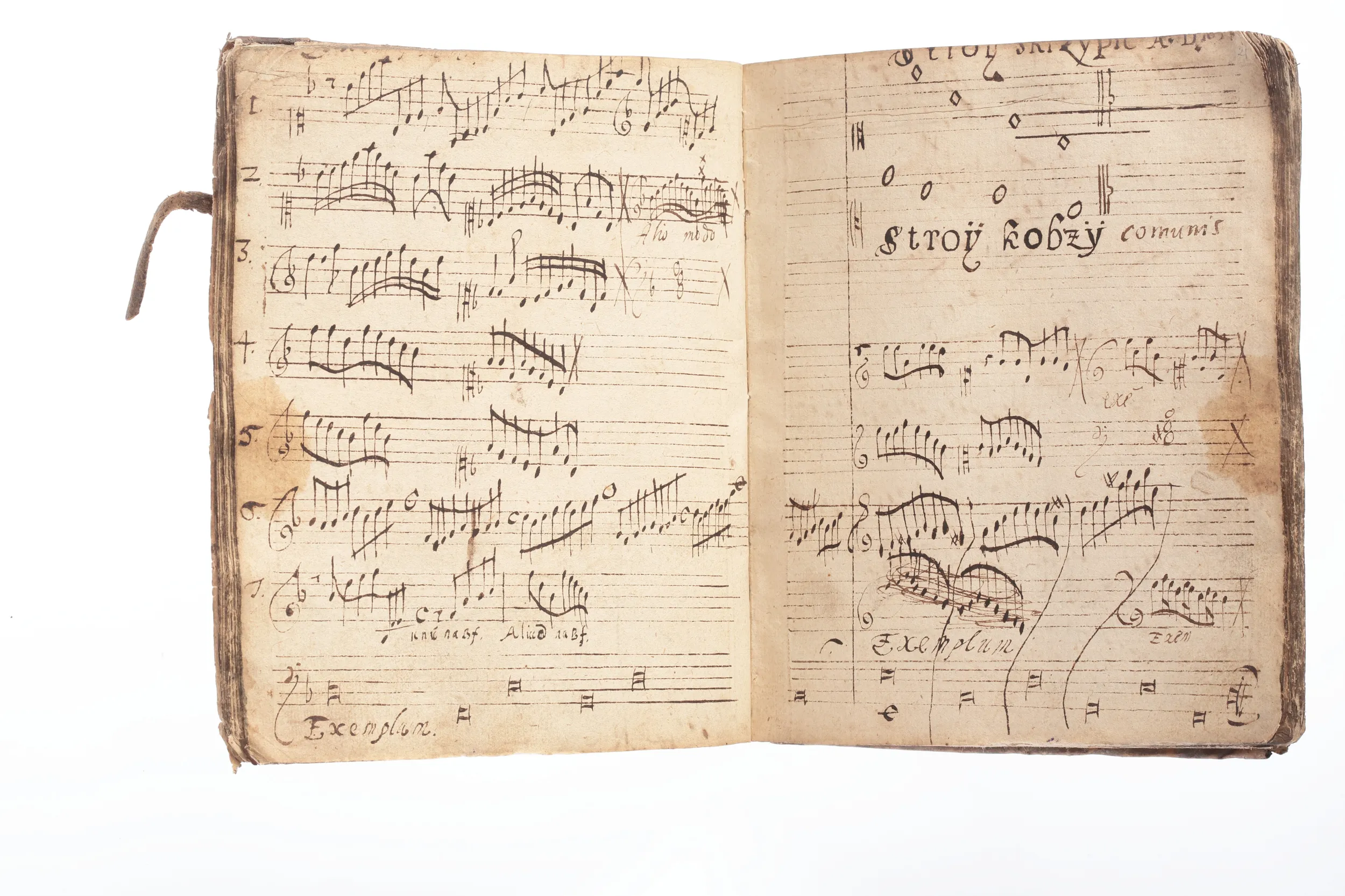
Figure 11 , fltr: The book from Mattityahu Strashun library, ‘Plant System’ of
Jurgis Ambraziejus Pabrėža, and ‘Kražiai Organist‘s Notebook’, 1618, all photographs by Virgilijus Usinavičius
The National Library also houses a collection of Lithuanian shellac records, consisting of 2,550 records released between 1907 and 1966 in various countries around the world. It is valued not only as a valuable part of cultural heritage but also as a relic of the national revival and national identity.
Following the restoration of independence in 1990, the National Library received a collection of Lithuanian diaspora press of incredible scope—a phenomenon that has not yet been sufficiently studied and that does not fully encompass all aspects of its multifaceted activities. Today, the National Library is the primary custodian of this archive; in the early years of independence, it launched and has consistently carried out a campaign to collect the diaspora press, while at the same time establishing strong cooperative ties with virtually all Lithuanian organisations and communities abroad, and many active individual public figures.
The National Library’s documentary heritage collections are expanding not only through donations of archives and personal libraries from various cultural figures. In recent years, with funding from the Ministry of Culture of the Republic of Lithuania, the National Library has acquired a significant number of valuable old books. Notable among these is the collection of poetry in Latin, Lyricorum libri IV, by the Jesuit poet, literary theorist, and preacher Maciej Kazimierz Sarbiewski (1595–1640), published in 1632 at the Plantin-Moretus Press in Antwerp—one of the most renowned printing houses in Europe at the time—and adorned with a frontispiece by the famous Flemish painter Peter Paul Rubens (1577–1640).
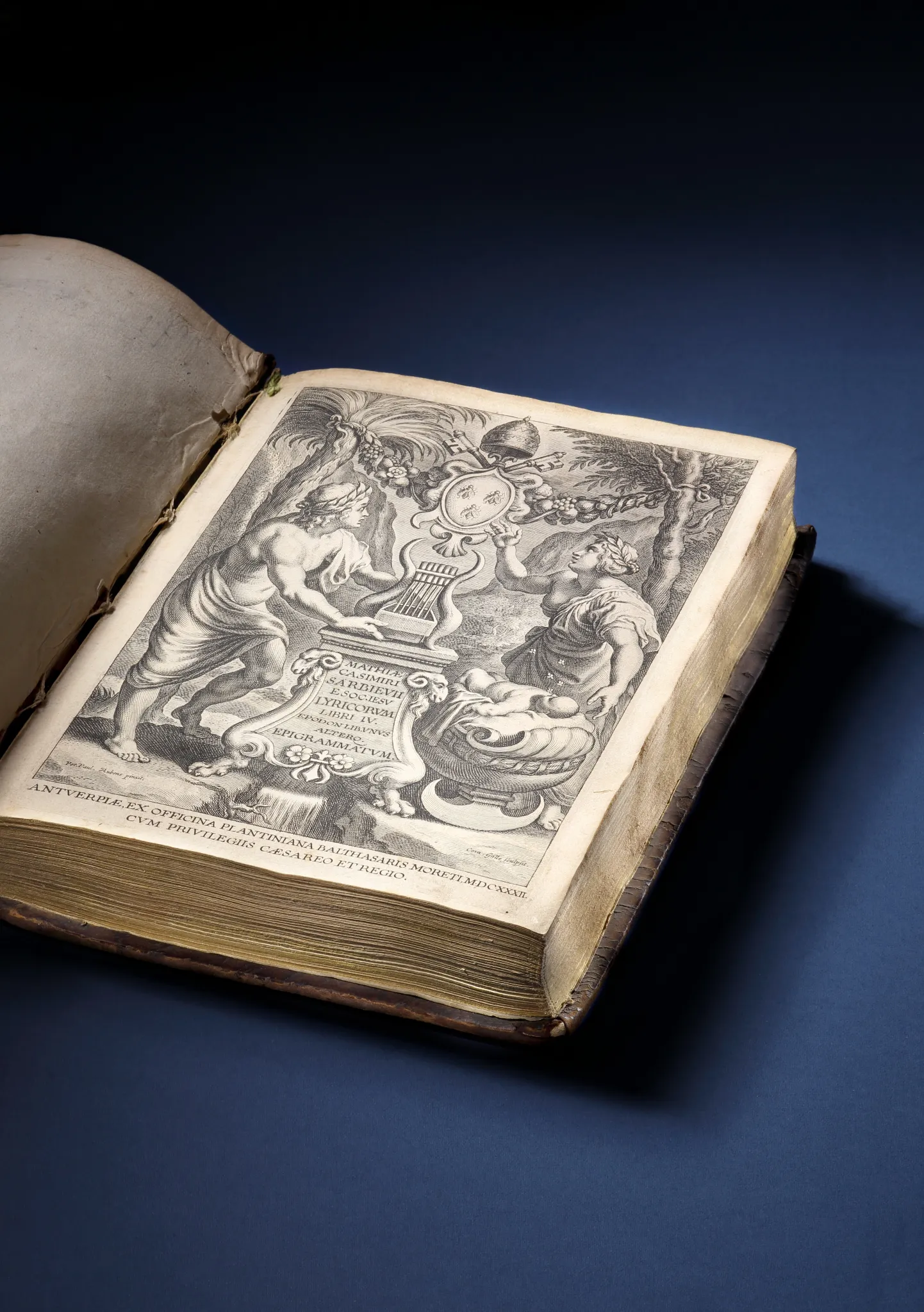
Figure 14: The title page of Sarbiewski‘s Lyricorum libri IV, 1632, photograph Virgilijus Usinavičius
Also worth mentioning is the German translation of the Latin work Artis magnae artilleriae (‘The Great Art of Artillery’, Amsterdam, 1650) into German as Vollkommene Geschütz-Feuerwerck- und Büchsenmeisterey-Kunst (Frankfurt am Main, 1676).
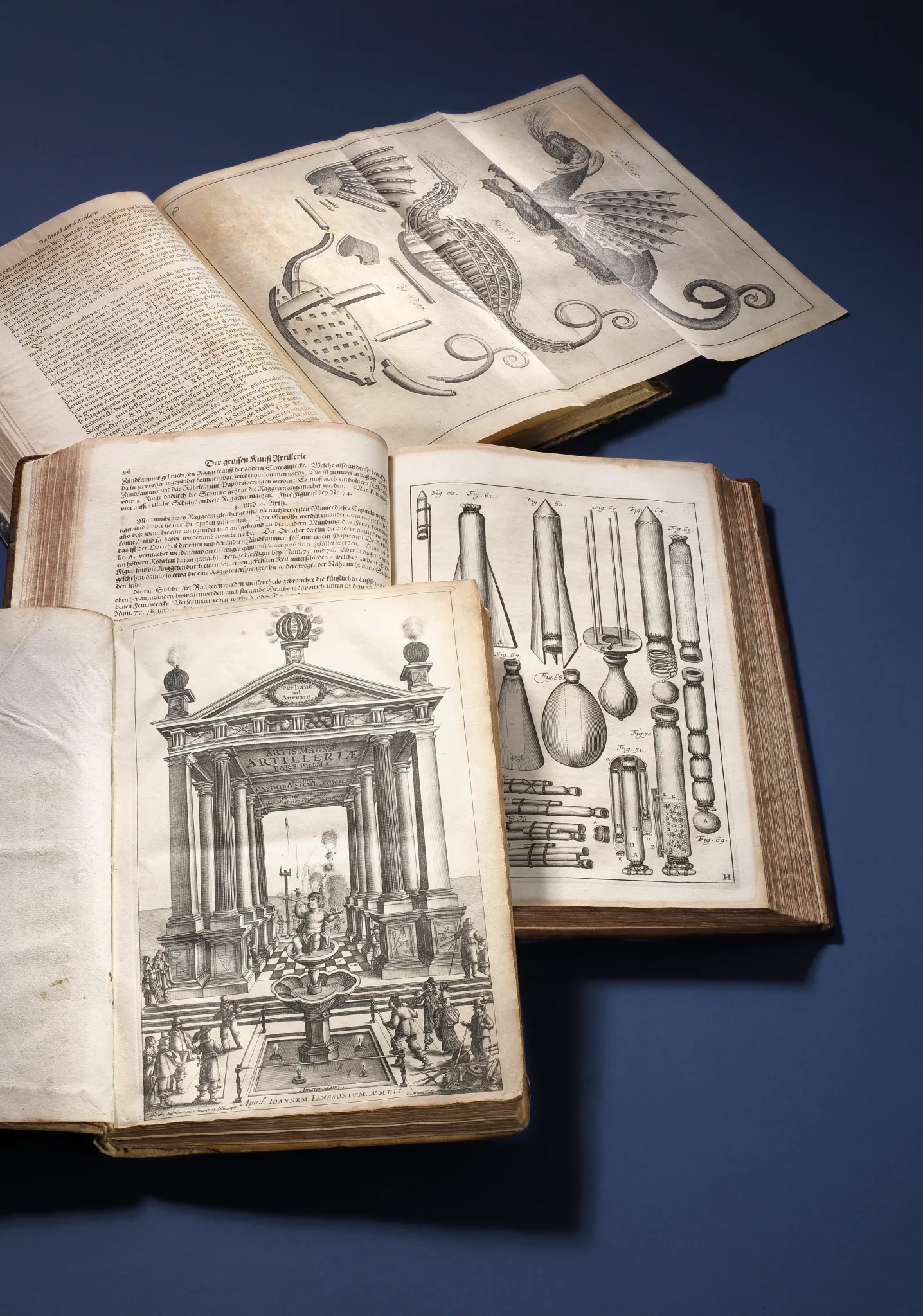
Figure 15: The Great Art of Artillery’ by Kazimierz Siemenowicz in Latin,
German and French, photograph Virgilijus Usinavičius
Notes
1 – ‘Isakymas apie Centralinį Valstybės Knygyną 1919 12 20’, Laikinosios Vyriausybės žinios, 6 February 1920, No. 1 (19), p. 4.
2 – Žr. ‘Įsakymas apie Centralinį Valstybės Knygyną 1919 12 20’, Laikinosios Vyriausybės žinios, 6 February 1920, No. 1 (19), p. 4.
3 – See Irmina Abramovienė, Kęstutis Raškauskas, ‘Valstybės archeologijos komisijas ir dvarų kultūrinis paveldas 1919–1921 metais: tarp gelbėjimo ir konfiskavimo’, Darbai ir dienos, 2017, No. 68 (2017), pp. 218–220. http://dx.doi.org/10.7220/2335-8769.68.11
4 – Electronic catalogue version https://doi.org/10.51740/dpt.2
See the publication in English and Lithuanian ‘Recording History. Lithuania‘s documentary heritage in the international and national registers of the UNESCO Memory of the World Programme’ (Vilnius, 2023); https://unesco.lt/wp-content/uploads/2026/03/UNESCO_Recording_history_catalog_EN_FINAL.pdf
Related articles
by Markéta Kučerová and Vojtěch Šícha, Library of the Czech Academy of Sciences
November 9, 2026
by Konrad K. Szymański (Ossolineum National Library, Wrocław)
November 9, 2026