The Zentralbibliothek Zürich incunabula collection in MEI
by Christian Scheidegger, Zentralbibliothek Zürich
Share this article
The Zentralbibliothek Zürich owns around 1600 incunabula, a collection that is characterised by local transmission. Part of it comes from Zurich monasteries that were secularized in 1525 in the course of the Reformation.
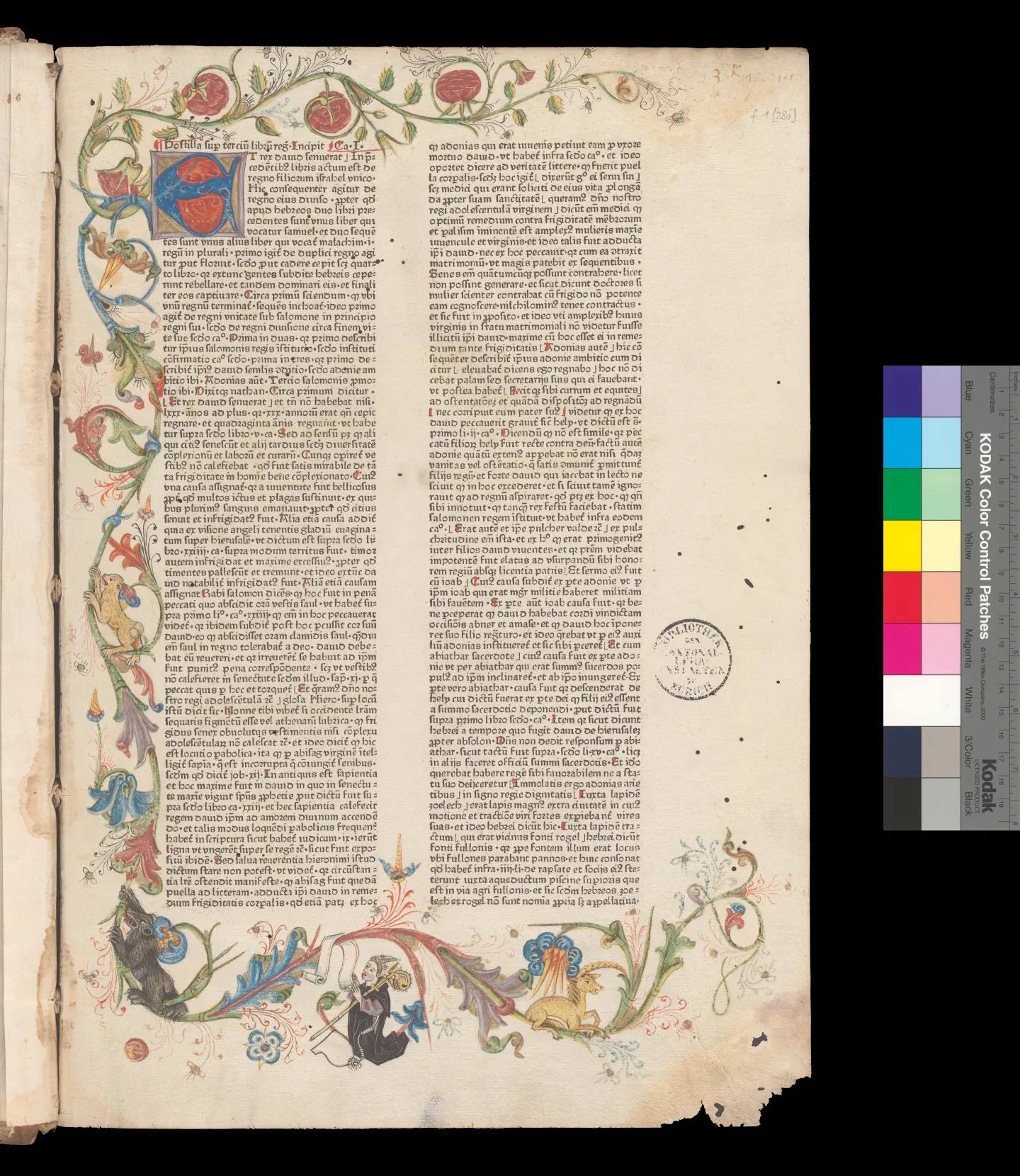
Nicolaus de Lyra, Postilla super totam Bibliam, [Strasbourg ca. 1477]. The opening text of Part Two with
a decorated initial, inhabited partial border of coloured acanthus embellished with animals,
Southern Germany, end of the 15th century.
From some religious houses such as the Franciscan monastery, only a few volumes have survived, e.g. the Bible commentary by Nicolaus de Lyra, donated by the suffragan bishop Daniel Zehender of Constance. The situation is different with the collegiate church of the Grossmünster, which is the only ecclesiastical institution to have survived the Reformation. Almost a hundred titles originate from the pre-Reformation canons at the Grossmünster.
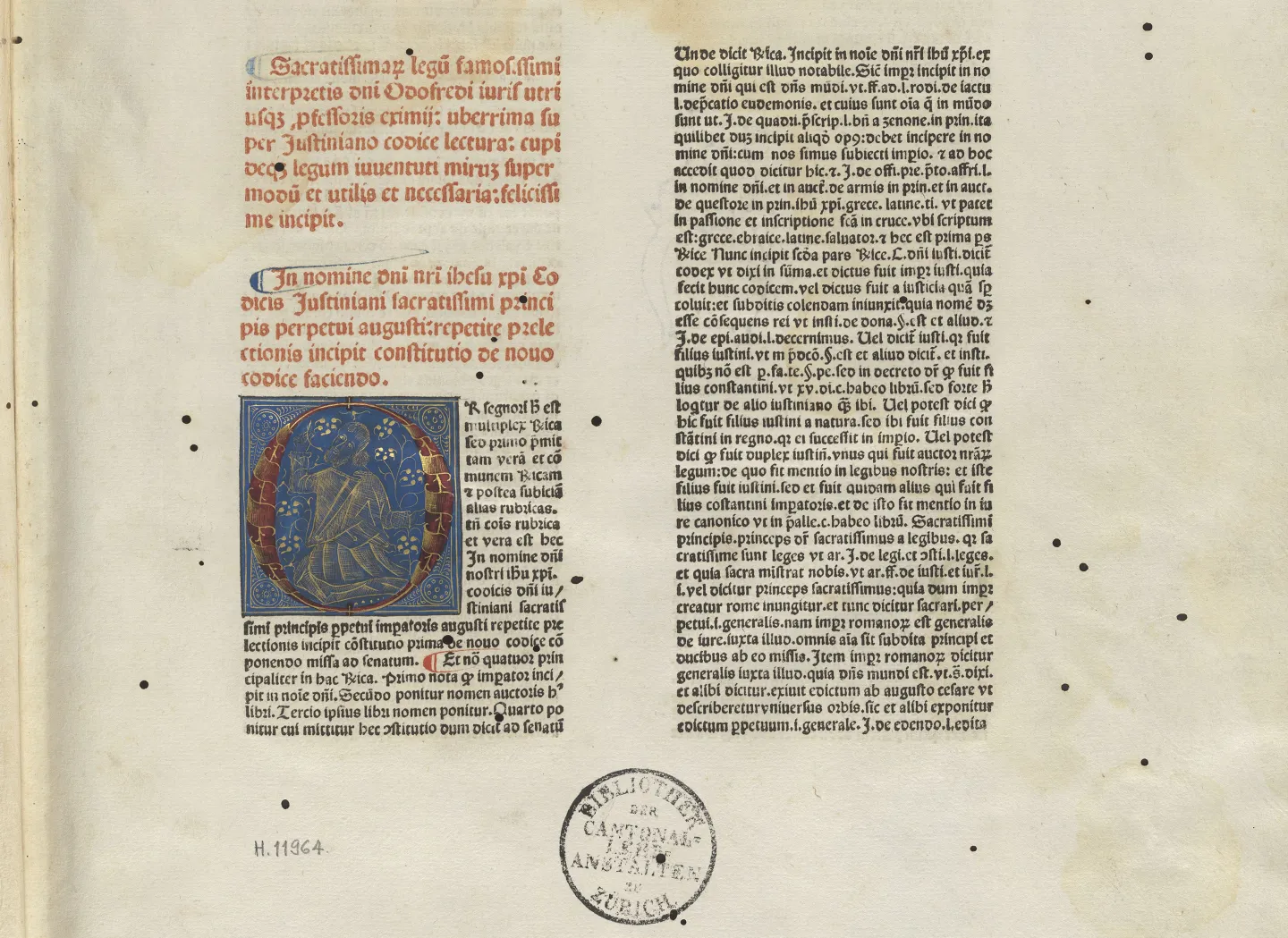
Odofredus, Lectura super Codice Iustiniani, Lyon 1480, Opening text of Part One, historiated illuminated initial, France ca. 1480. Johannes Mantz purchased this legal text while studying in France, subsequently had it bound in Zurich, donating it ultimately to the Grossmünster in 1518.
The Hebraist Konrad Pellikan (1478-1556) rebuilt the Collegiate Library of the Grossmünster from 1532 onwards. The books from the private library of the reformer Huldrych Zwingli (1484-1531) and 87 incunabula from the secularized Augustinian canonical monastery of St. Martin also found their way into the Reformed Collegiate Library of the Grossmünster. A total of 382 incunabula can be proven to have stemmed from this institution.
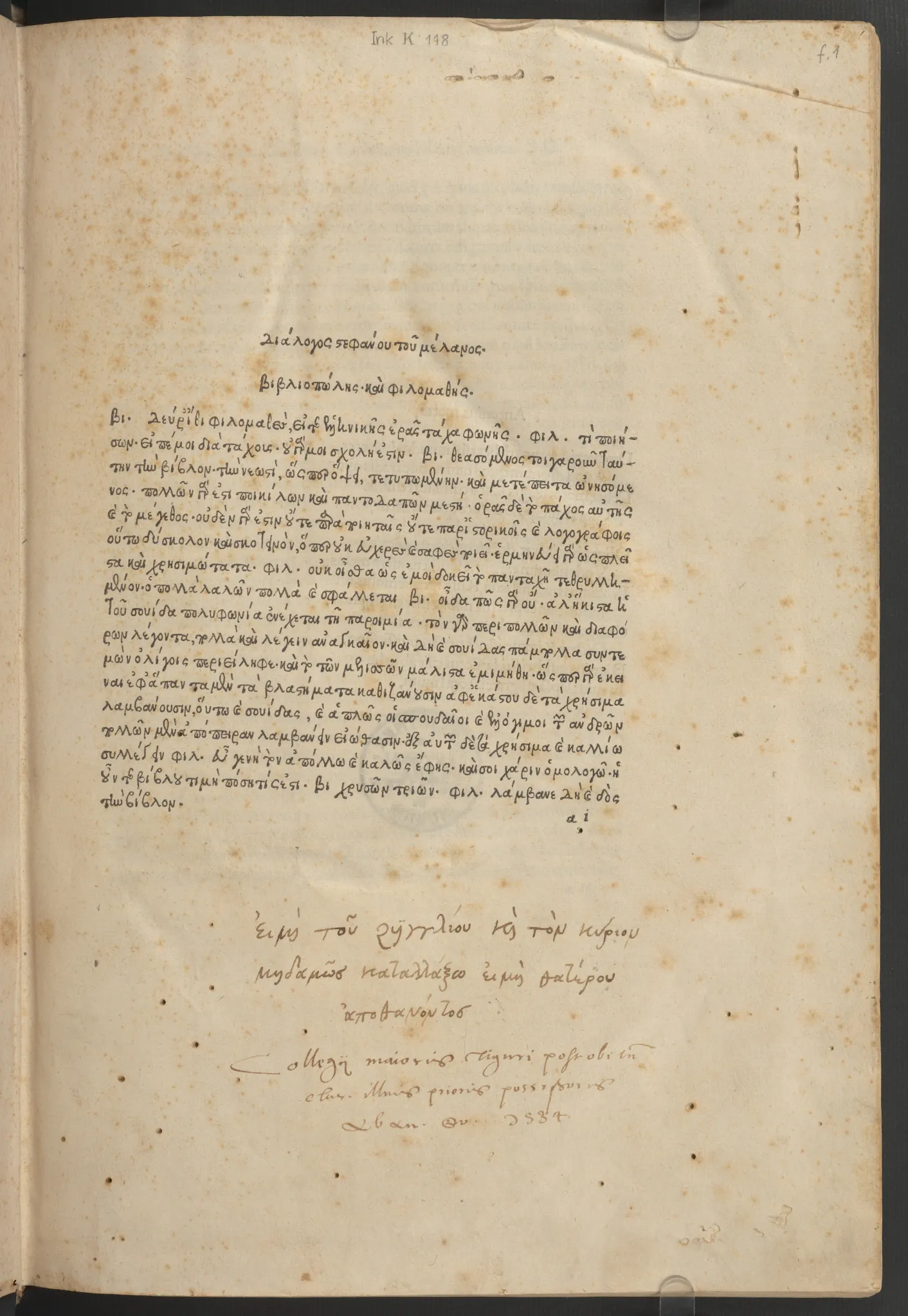

Left: Lexicon graecum, Milan 1499, Title page containing handwritten notes on ownership by Huldrych Zwingli and the Reformed Collegiate of the Grossmünster. Digital copy online via e-rara. Right: Augustinus, Explanatio psalmorum, [Netherlands ca. 1486/87]. Opening text of Part Three, decorated initial, partial foliate border of acanthus, from the monastery of St. Martin.
The Zurich Public Library, founded in 1629, owned 800 incunabula before its dissolution in 1915. The older provenances are often well documented thanks to notes on ownership in the volumes and thanks to the handwritten benefactors’ book of the Public Library. For example, the provenance of a German Bible printed in Augsburg in 1477 can be traced back with precision: the print must have been bound in Augsburg by a bookbinder known by name in the year of publication and purchased by the chronicler Gerold Edlibach (1454-1530), who lived in Zurich; the purchaser subsequently added his own illustrations to the bible before a descendant of Edlibach donated it ultimately to the Public Library together with other books in 1634.
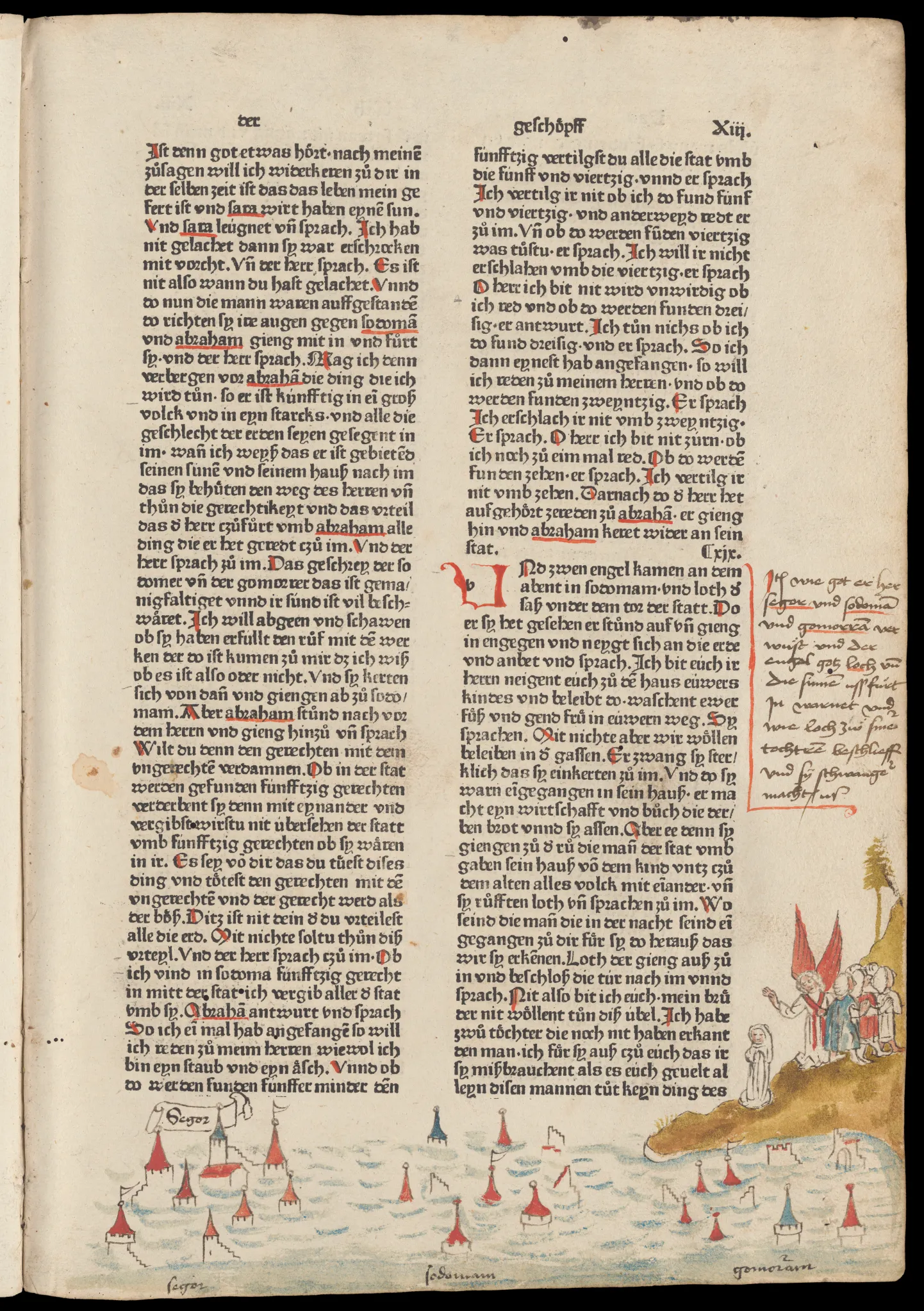
German Bible, Augsburg 1477. Genesis, Chapter 19: The Fall of Sodom and Gomorrah,
pen drawing and watercolour
In the case of other incunabula, however, the provenances are less certain and the date of entry into the Public Library can only be indicated with a terminus ante quem, as in the case of Malermi’s Italian bible, printed in 1471. A member of the Venetian patrician family Priuli seems to have acquired a copy and commissioned the highly artistic book decoration. By 1760 at the latest, the magnificent bible was in the Zurich Public Library.
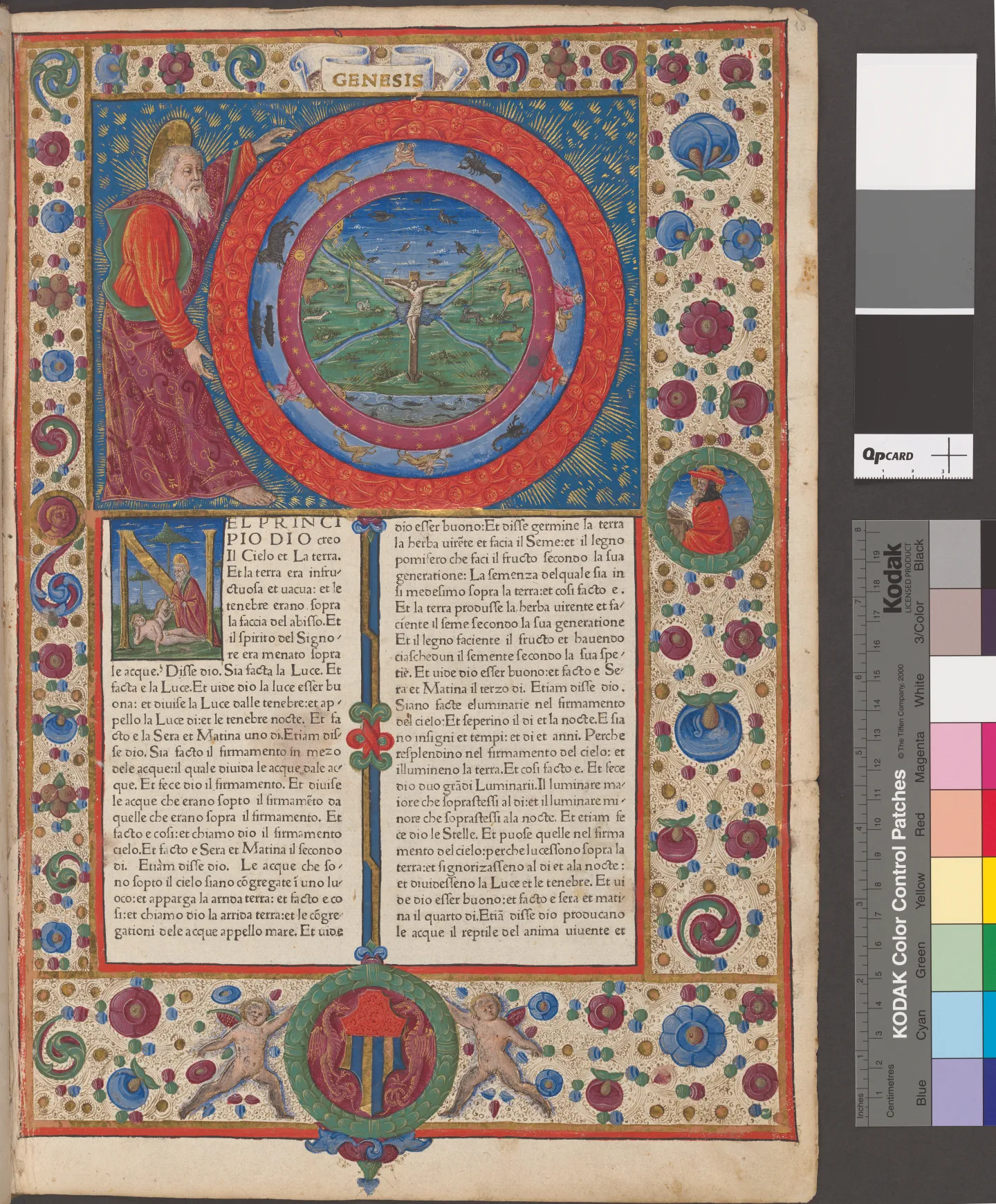

Italian Bible, Venice 1471. Title page (Genesis, Chapter 1) and
the beginning of The Book of Samuel, paintings by the Pico Master.
312 other incunabula of the Zentralbibliothek Zürich, including six single copies, originate from the Benedictine Abbey of Rheinau, which was secularized in 1862. However, little is known about the growth of the Rheinau collection over the centuries. Nonetheless, when some volumes were acquired, the ex-libris of the reigning abbot was affixed on the endpapers, or a note was made to indicate that books were exchanged with another ecclesiastical institution.
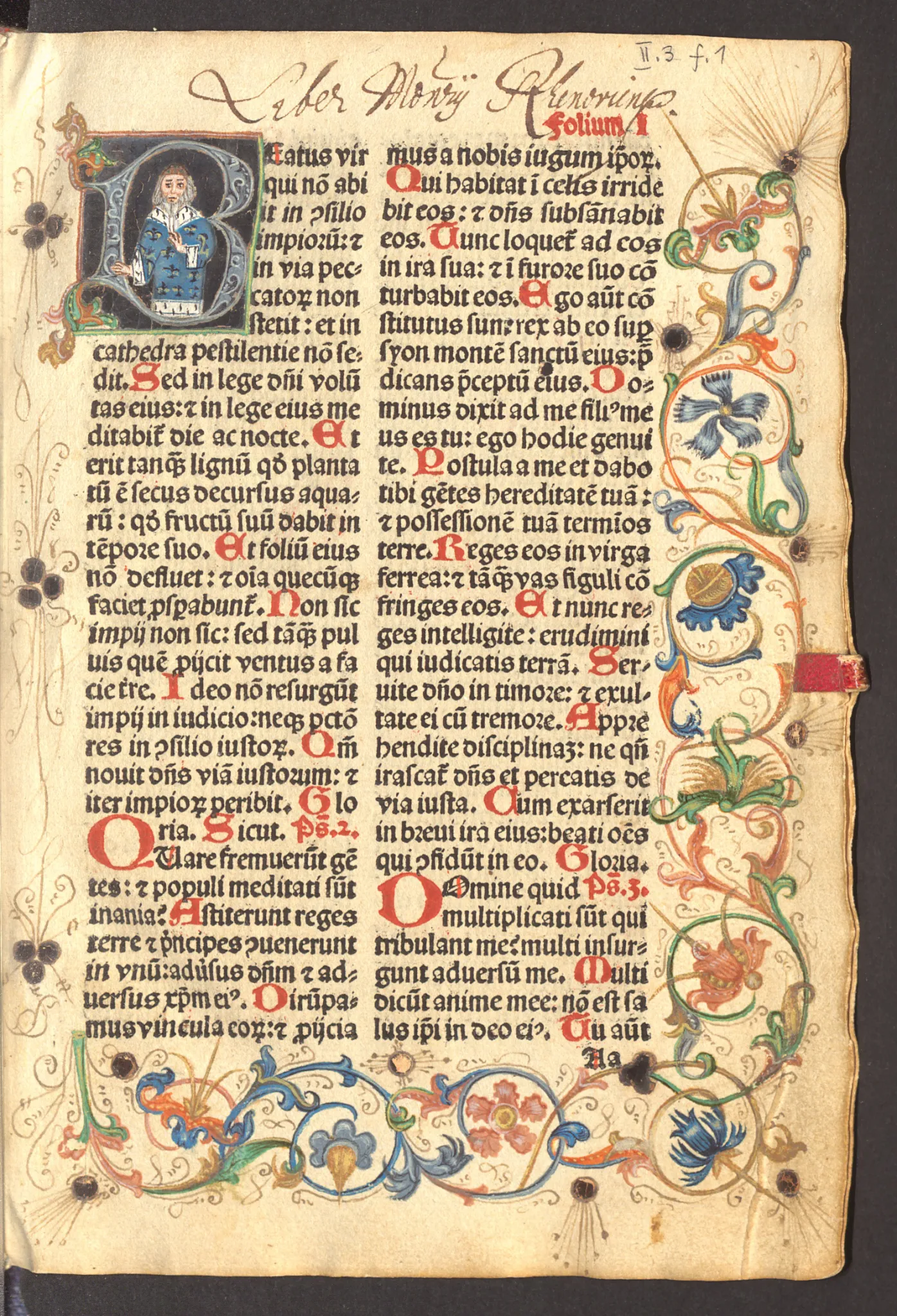

Breviarium Benedictinum, [Nuremberg] 1493. Opening text of the Psalter, historiated initial (King David) decorated with silver paintwork, foliate border composed of tendrils set with coloured flowers, and opening text of the Winter Part, ornamental initial, foliate border, Southern Germany, ca. 1500. Digital copy online via e-rara.
With its opening in 1917, the Zentralbibliothek Zürich united the incunabula collections of its predecessor institutions. Until the beginning of the 21st century, it was rather laborious to get an impression of the interesting incunabula holdings or to clarify a specific question as an on-site visit was always necessary for thorough research. It became much easier 15 years ago when all incunabula were recorded in the library’s own catalogue database. Since then, it has been possible to search for authors, titles or provenances online. In addition, a printed catalogue with descriptions of the individual copies has been available to users since 2009. Ten years later, it was decided to export the available data to the Material Evidence in Incunabula (MEI) database. Besides a higher visibility of our incunabula holdings, the advantage of MEI lies in the structured descriptions of the individual copies that are bringing to light new historical evidence on the movement of books and the effective use of them by individuals and institutions. Moreover, the database allows for the reconstruction of collections now dispersed. Just to give one example of relevance for Zurich, by searching the MEI database two books once owned by Jodocus Gallus (1459-1517), uncle of Konrad Pellikan, appear, one still in Zurich, the other today in the library of Trinity College, Cambridge. For an optimal integration, , the exported data have been carefully reworked by recording every piece of provenance evidence in a separate block, marking all entries chronologically and geographically, as well clarifying unclear descriptions and correcting authority records or creating new ones. The links to 251 digital copies and to external sources via e-rara and e-manuscripta are also valuable. By the end of 2021, this work was completed, if not perfectly, nevertheless in good quality enough to facilitate and support further research.
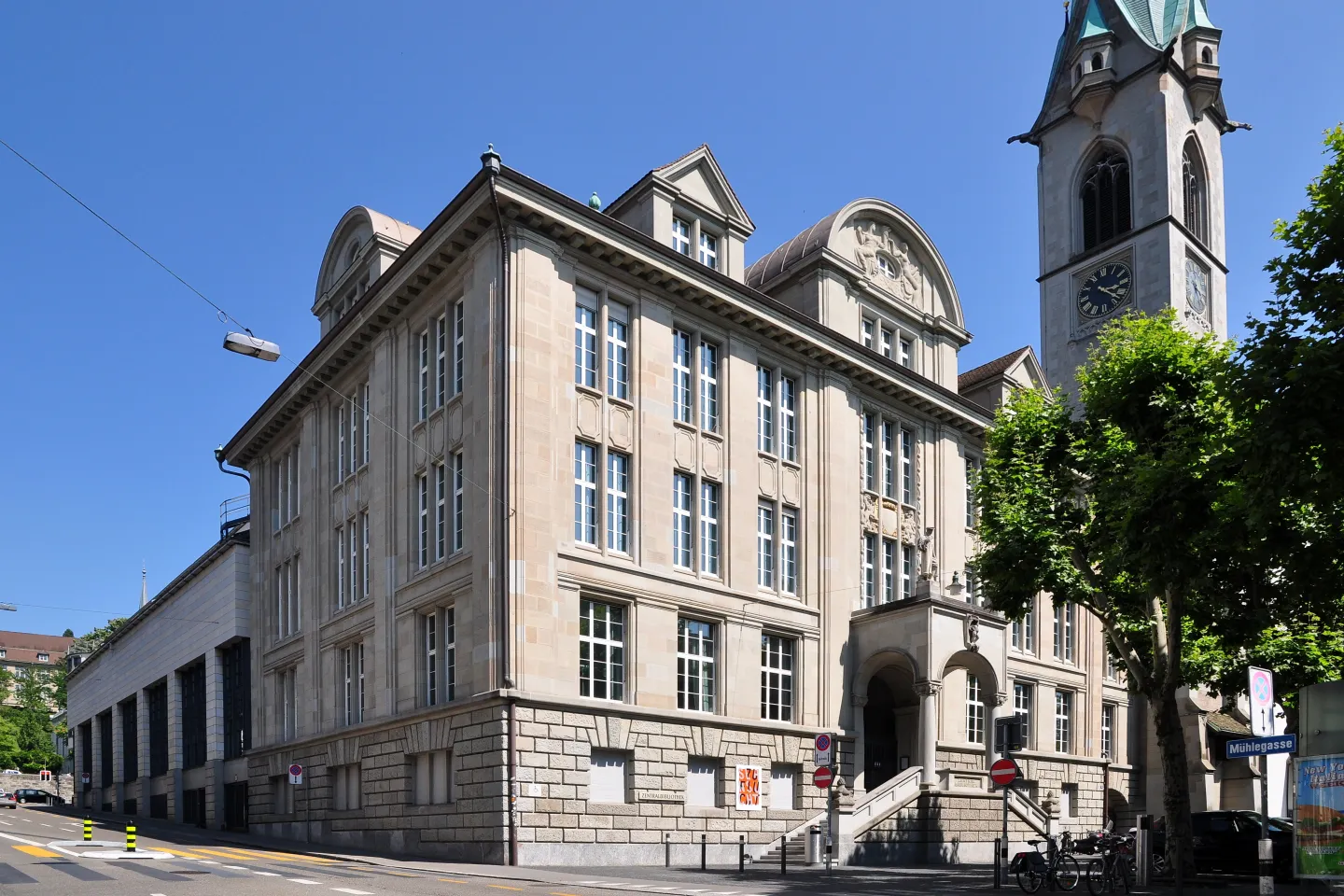
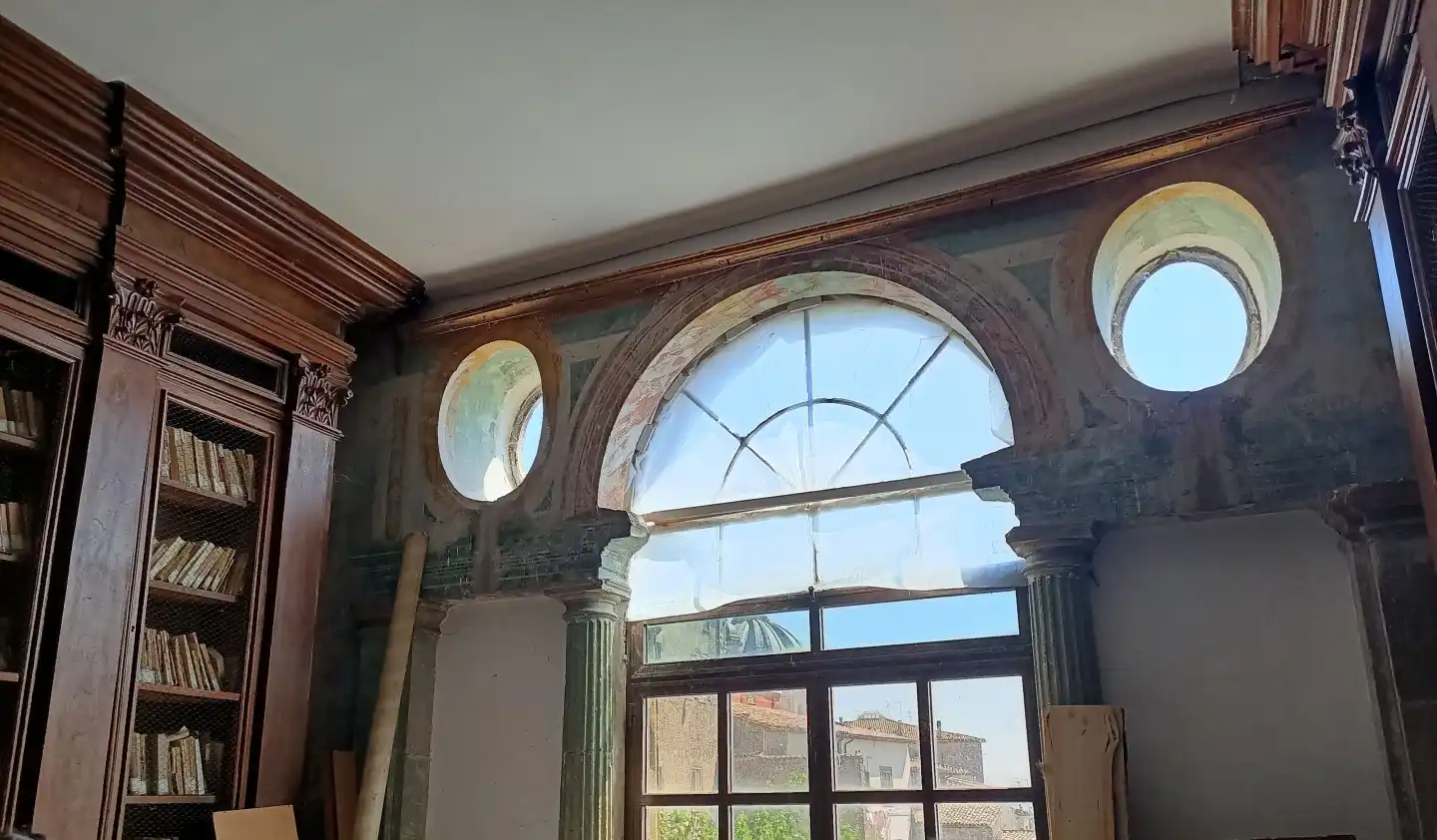
Zentralbibliothek Zürich – Image from Wikipedia
Related articles
November 9, 2026
by Konrad K. Szymański (Ossolineum National Library, Wrocław)
November 9, 2026