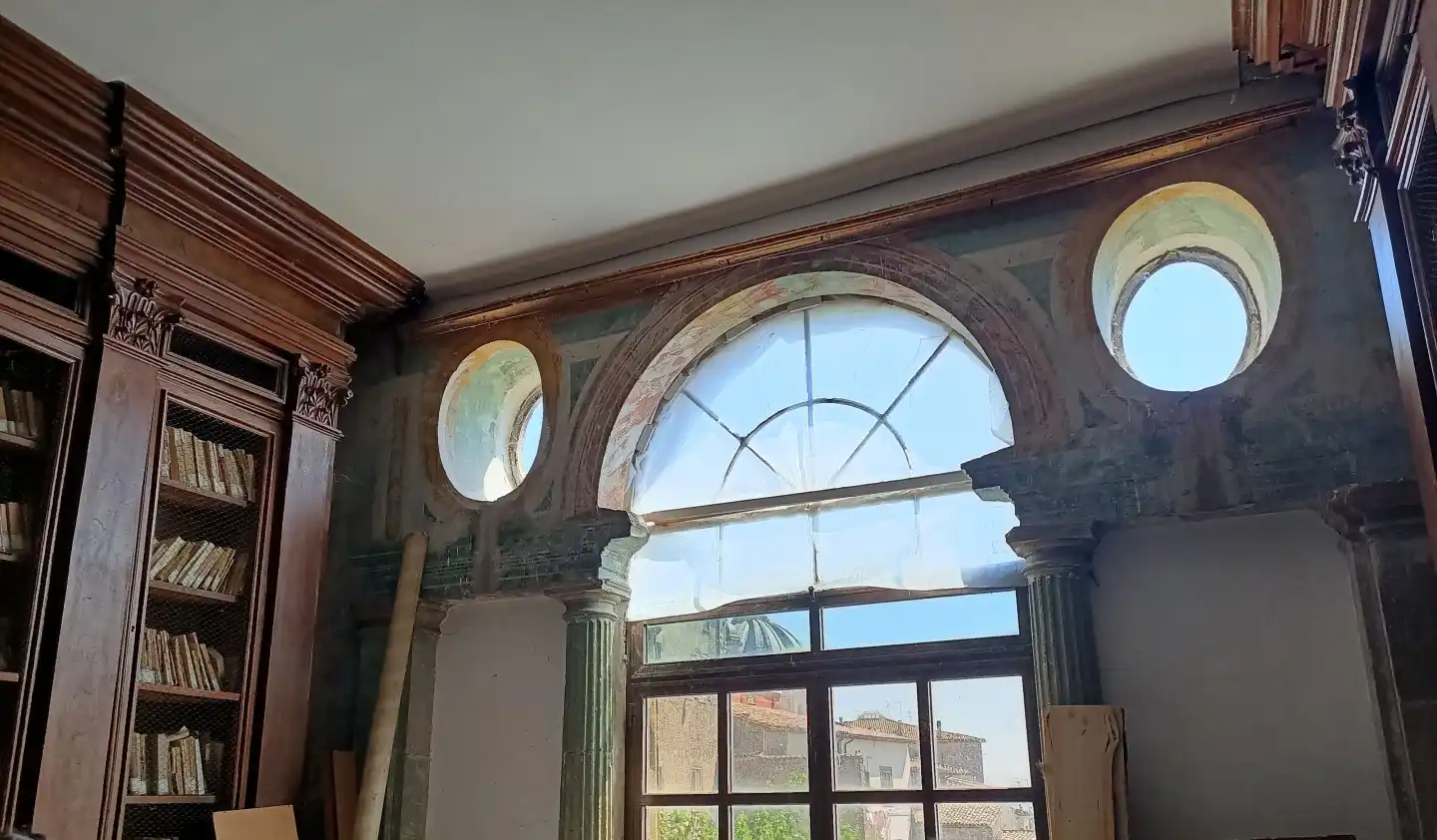
“The circulation of incunabula in early modern Warsaw. A case study of the Metropolitan Seminary Library’s collection” – the three-year sequel to my CERL Internship
by Martyna Osuch, University of Warsaw Library
Share this article
Last year, here on the CERL blog, I published my report from the CERL internship at the Metropolitan Seminary Library in Warsaw, during which I registered 38 of its 151 incunabula in the MEI database. Although the Metropolitan incunabula collection is the second largest of the kind preserved in Warsaw, its provenance data has not been hitherto published.
Since this collection makes a significant contribution to the understanding of the cultural and intellectual history of both Warsaw and Poland, I decided to carry on with the work I commenced during the CERL Internship, until it is completed.
To this end, in June 2021, I submitted a grant proposal entitled “The circulation of incunabula in early modern Warsaw. A case study of the Metropolitan Seminary Library’s collection” to Preludium20, a competition dedicated to young scholars and organized annually by the Polish National Science Center. To my great delight, Professor Cristina Dondi agreed to be the grant supervisor.
In December, I received the exhilarating news that my proposal had received funding, even though the competition in the HS2 panel (history and arts) is always fierce: of 156 proposals submitted, only 17 were granted financing.[1] This is particularly comforting from the perspective of a Polish provenance researcher, as it constitutes a material proof that obtaining resources for provenance projects in Poland is not impossible, even if many academics and librarians still consider this area niche and approach it like a mysterious terra incognita.
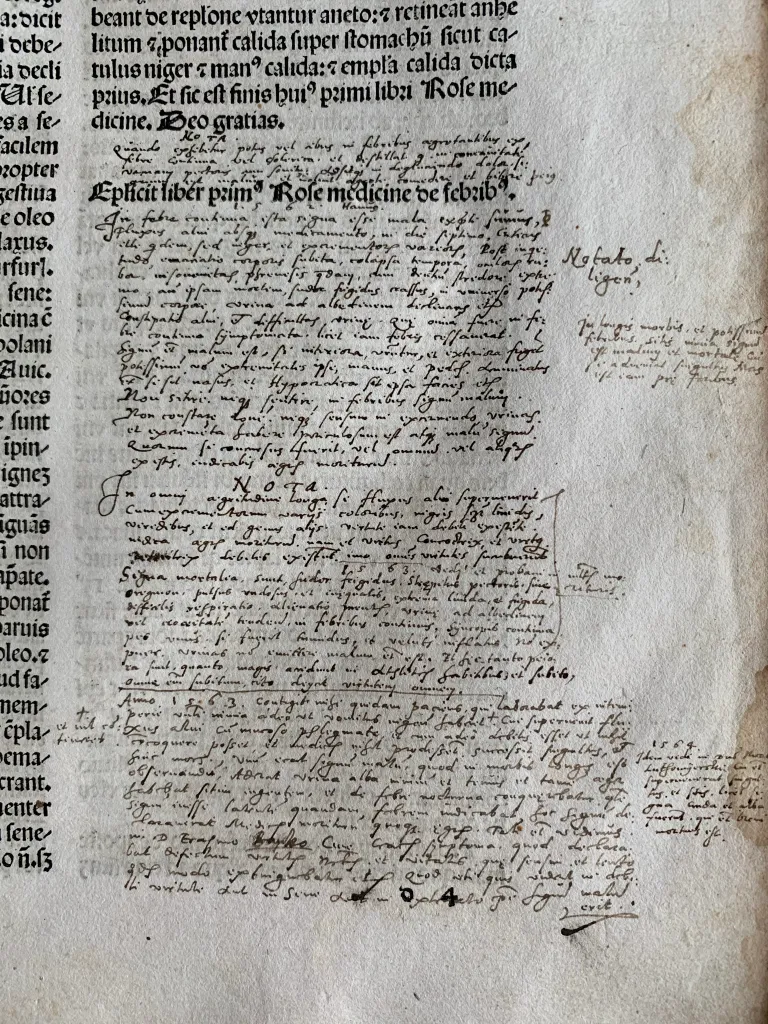
Fig. 1: Extensive medical notes by an anonymous 16th century user. Inc. 106, Metropolitan Seminary Library.
MEI: https://data.cerl.org/mei/02139917
About the project
The main goal of the project is to examine the circulation of fifteenth-century books in early modern Warsaw as a part of a broader study of the transfer of knowledge, information, and ideas at the time. The 151 abovementioned incunabula stored in the Metropolitan Seminary Library in Warsaw will constitute the project’s focal point. The goal of the planned research is, firstly, to analyze how the areas east of the Oder River (with a particular focus on Warsaw) were supplied with incunabula in the first decades after the Printing Revolution; secondly, to reconstruct the distribution network; and, finally, to track the books’ movement in time and space from the moment of their creation in the second half of the fifteenth century to their arrival at the Metropolitan Seminary Library.
The key hypotheses I intend to verify throughout the project are:
- Fifteenth-century books were frequently employed as a medium of knowledge dissemination in Warsaw in the first decades after the spread of print in Europe.
- The early (1500s−1700s) owners and readers of the Seminary’s incunabula were not limited to monks, but also included laypeople with ties to early modern Warsaw’s intellectual circles.
- The majority of the examined books were imported to Warsaw by traveling and stationary Polish booksellers; some of them, however, were purchased personally by their owners in foreign countries.
- Some incunabula that belonged to the owners of those identified in Metropolitan Seminary Library can be presently found in the National Library of Russia in Saint Petersburg.
In order to verify the final hypothesis, I intend to conduct a one-month research in Saint Petersburg. I believe my visit to the National Library of Russia may lead to the discovery of the books from Warsaw’s historical collections related (that is, with a shared ownership) to those at the Metropolitan Seminary, such as, for example, the incunabula from the collection of the University of Warsaw Library.
The project will extend over the period of three years (2022-2025). Given my full-time position as a special collections librarian at the University of Warsaw Library, I will conduct the grant after hours, starting in February (I plan to spend one day per week registering the provenances in the Metropolitan Library). Having introduced the data into the MEI and PDA, I intend to disseminate my research results by publishing two articles in English as well as presenting papers on the topic at international conferences.
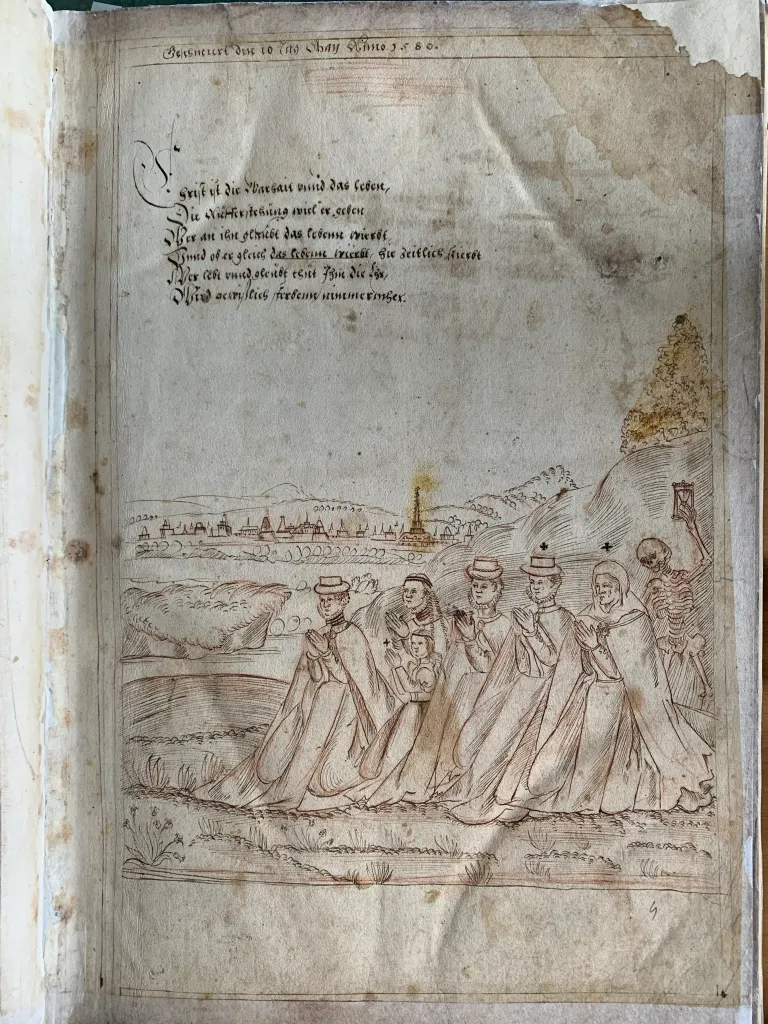
Fig. 2: 16th century drawing in Schedel’s Chronicle. Inc. 156, Metropolitan Seminary Library.
MEI: https://data.cerl.org/mei/02139858
As one of my proposal’s reviewers stated, “Some of the brightest gems have been unearthed in unexpected places”. I hope that in the course of my three-year research in Metropolitan Seminary Library I will uncover a lot of unexcavated treasures from the fifteenth century. Thanks to the CERL blog, I will have the pleasure of regularly updating you about my findings.
[1] The ranking list and abstracts of winning projects is available here: https://www.ncn.gov.pl/en/konkursy/wyniki/2021-11-26-opus21-preludium20
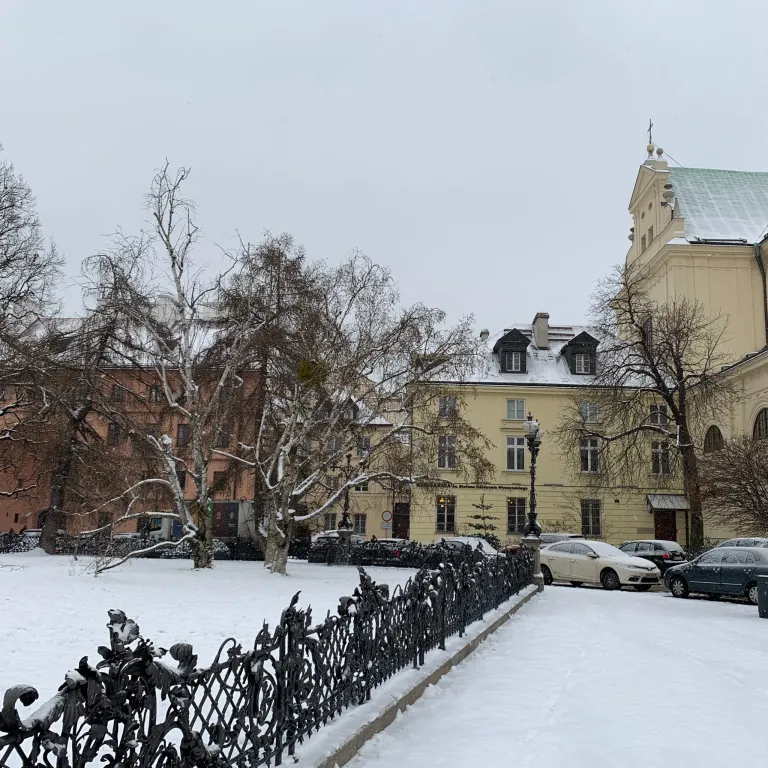
Fig. 3: Entrance to the Metropolitan Seminary Library
Related articles
November 9, 2026
by Markéta Kučerová and Vojtěch Šícha, Library of the Czech Academy of Sciences
November 9, 2026