Incunabula in Malta
by Anna Scala, Rare books cataloguer and librarian
Share this article
The beginning and first steps
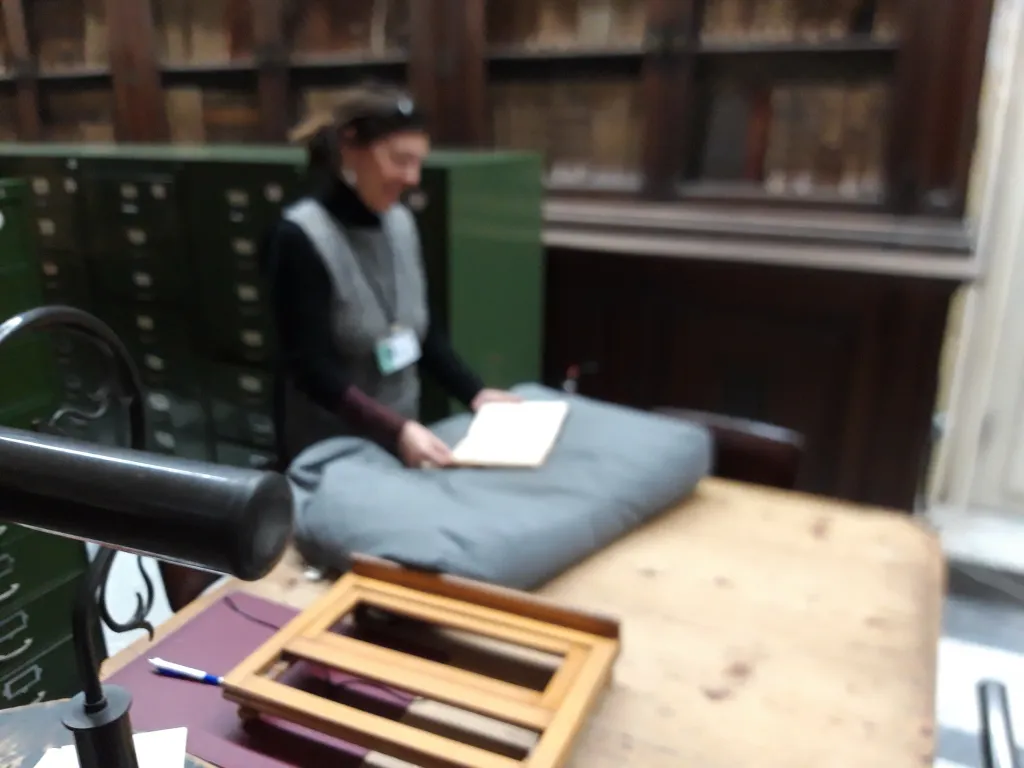
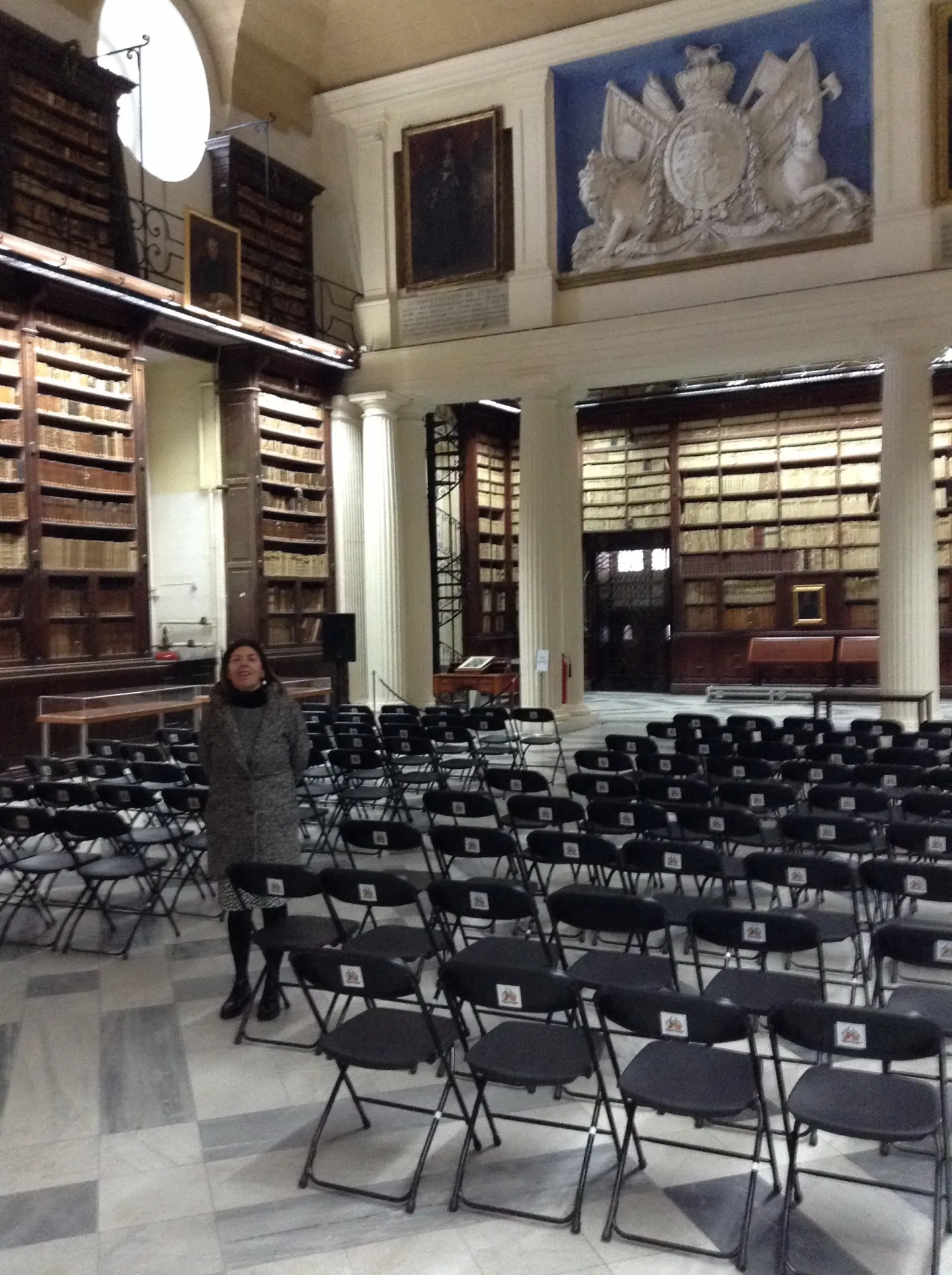
In the National Library of Valletta
For about twenty five years I have been dealing with ancient (or early modern) texts and more specifically with cataloging, revising and sending to the SBN records, relating to the ancient library collection of Syracuse and its Province.

Contemporary blind stamped quarter binding in pigskin over beech boards
(Inc. 60 Seneca, De moribus. Venice, Bernardinus de Choris, de Cremona, and Simon de Luere, 5 Oct. 1490)
Together with some colleagues, during the years 2009-2019, we compiled two catalogues of Incunabula; hence my increased interest in the study of incunabula, found in the National Library of Valletta, which I visited for the first time in February 2020. 60 of those incunabula were already registered in ISTC, but there were 14 incunabula not included in ISTC.
At the same time, I started to explore the surroundings of Malta, in order to record incunabula in religious libraries. I have, so far, discovered 20 specimens, but this project in ongoing.
My goal is to produce a catalogue of incunabula in Malta and, at the same time, to complete the relevant records in MEI.

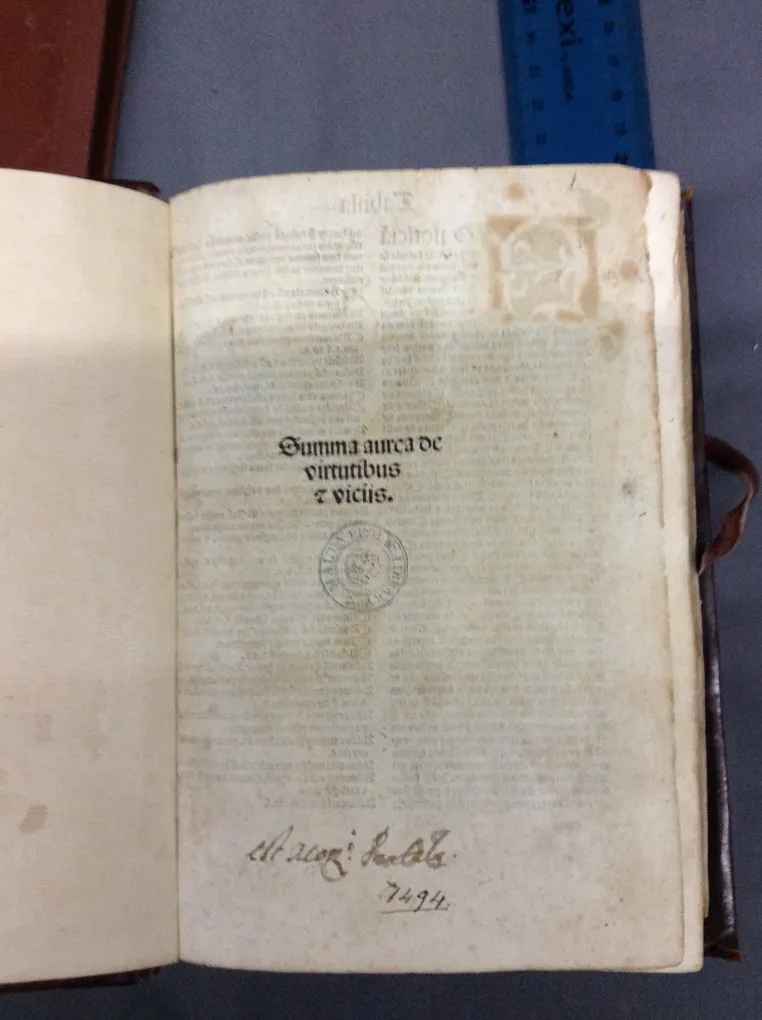
Left: Inc. 42. Gaio Giulio Solino, Polyhistor, sive De mirabilibus mundi, sive Collectanea rerum memorabilium. Venice, Theodorus de Ragazonibus, 23 Aug. 1491.
Right: Inc. 30. Guilelmus Peraldus, Summa de virtutibus et vitiis.Brescia, Angelus and Jacobus Britannicus, 24 Dec. 1494.
The second journey to Malta and its libraries (July 2020)
27 July 2020 – National Library of Valletta
After a long lasting lockdown period we returned to the National Library of La Valletta in order to continue our incunabula studies. The library owns a huge collection of very precious books, enriched by many individual legacies such as the Incunabulum nr. 55 entitled Officium beate Mariae Virginis ad vsum Romane ecclesie, Venice, Johannes Hamman, 1490.
The specimen bears in c.a2r the handwritten owner’s note: Fr. Joseph Zammit dedit et donat. Brother Giuseppe Zammit (1650-1740) was a doctor and a clergyman and chaplain of St. John’s Hospital and Military Order.
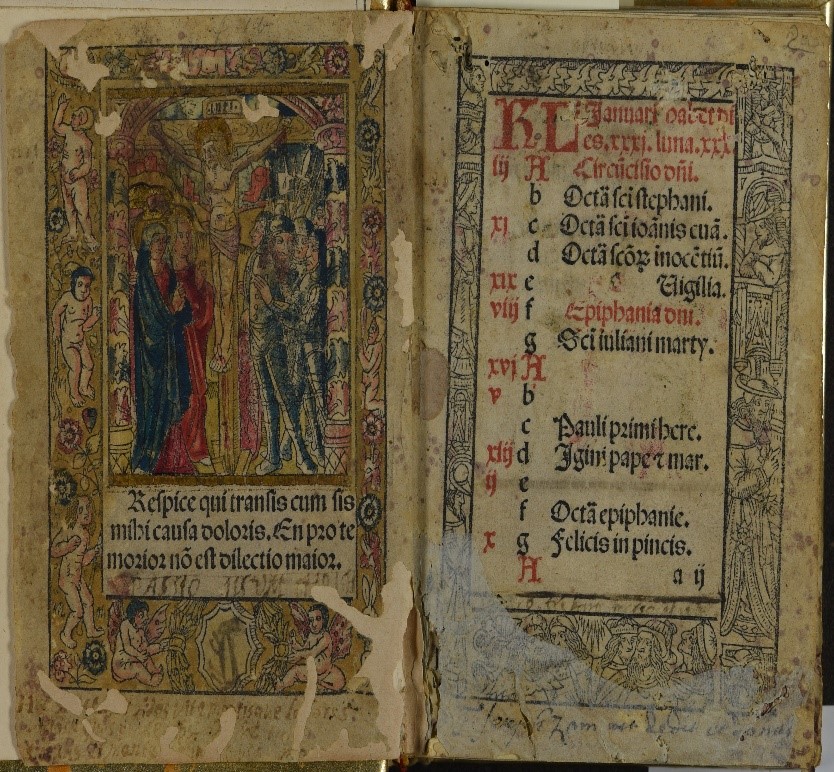
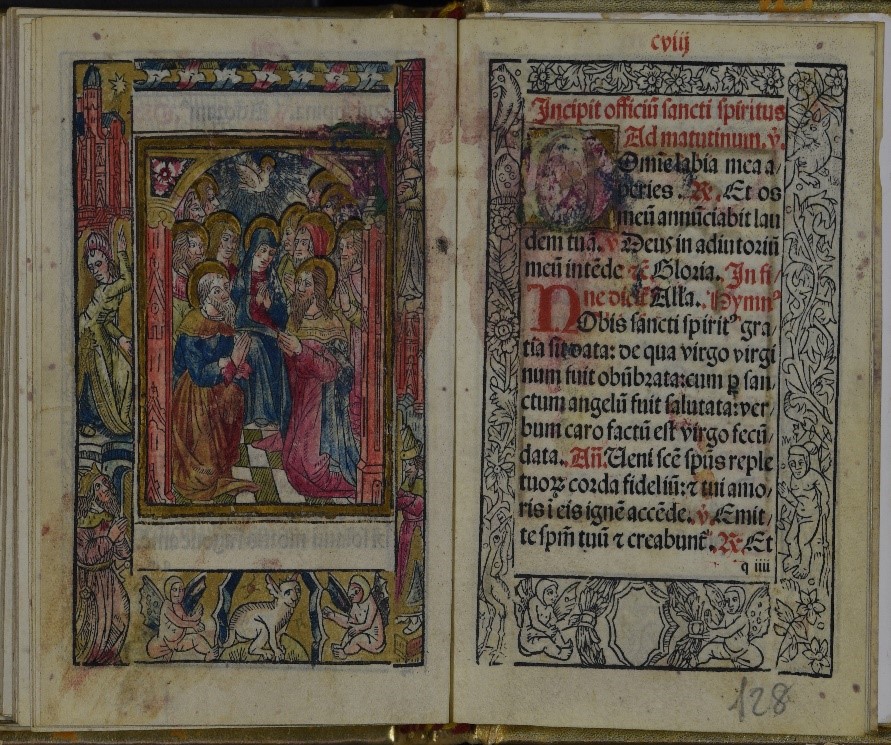
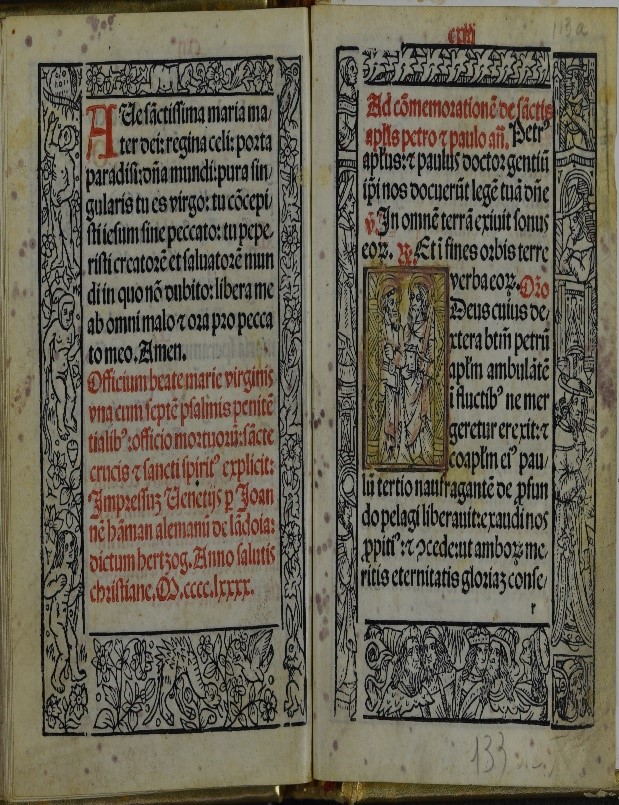
Inc. 55 – Horae ad usum Romanum (Rome). Venice, Johannes Hamman, 1490
Carmelite Priory – La Valletta
The Carmelites came to Malta in 1418, when the noblewoman Margareth of Aragon commissioned the chapel and the surrounding territory of Lunzjata (Rabat) to any religious order that would assume the religious duties coming with it. The Carmelites accepted that offer, founding afterwards several priories in some cities on the island.
The convent in Valletta, founded in 1570, hosts a library of great theological interest. Here we can find 8 Incunabula not yet registered by ISTC; many are damaged by biological and chemical factors.
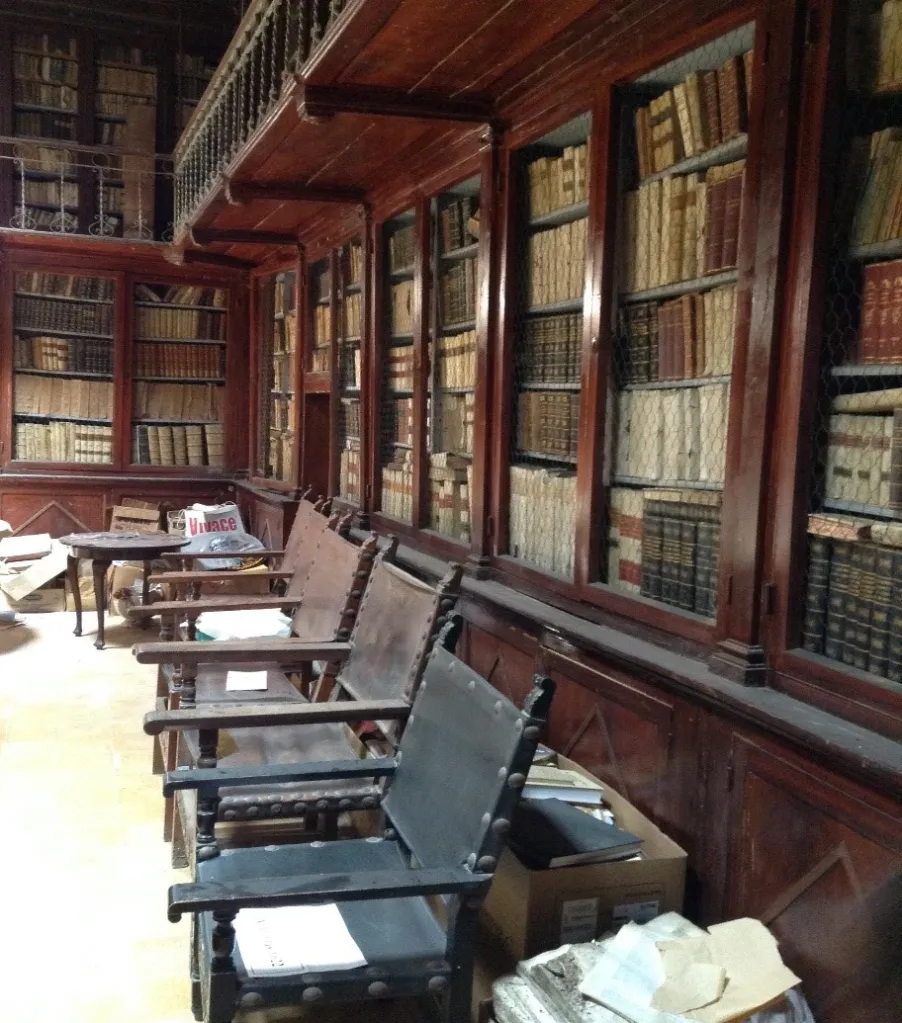
The library
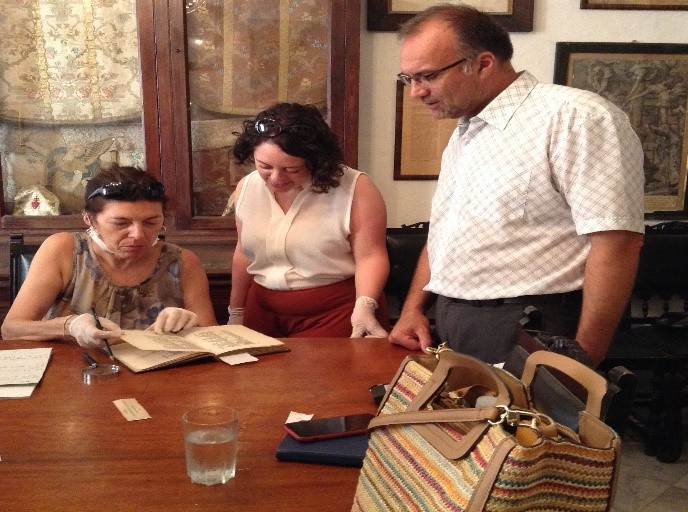
Anna Scala, P. Alex Scerri and Krystle Attard Trevisan
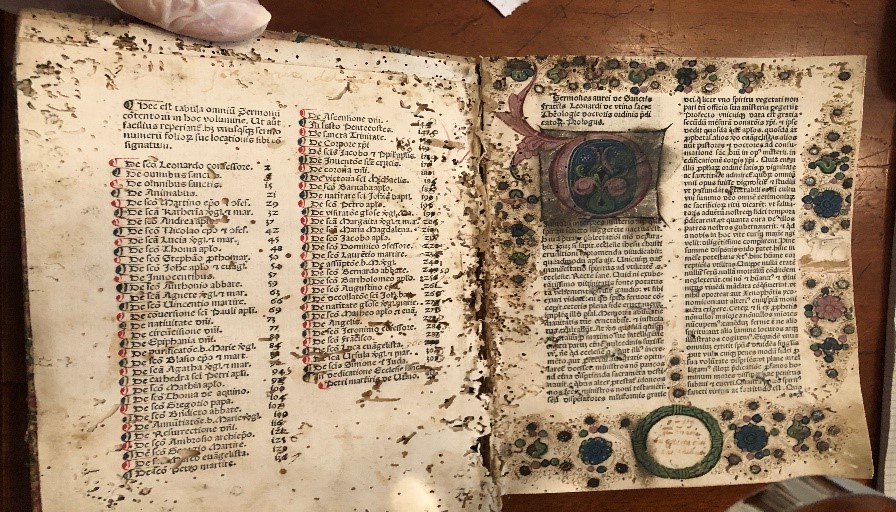
Inc. 1. Leonardus de Utino. Sermones de sanctis. Venice, Johannes de Colonia and Johannes Manthen, 1475.
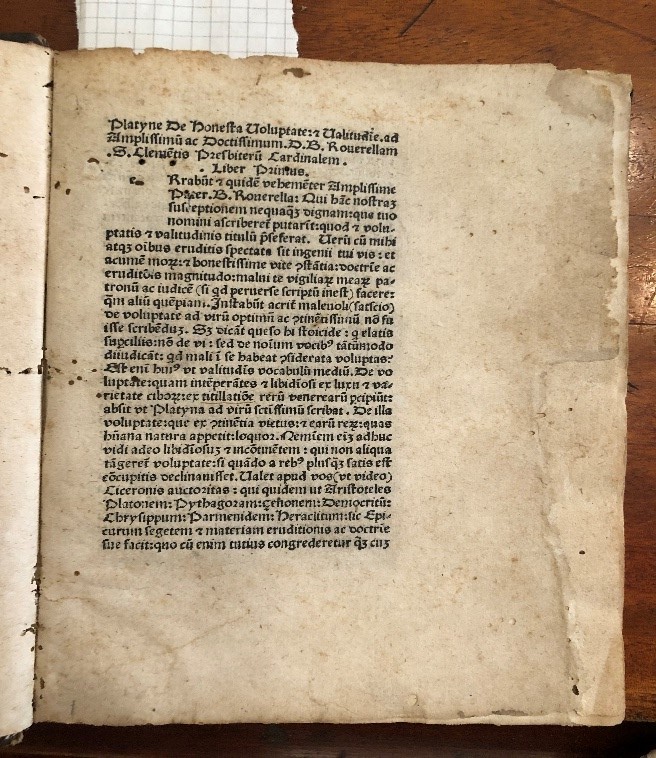
Inc. 2 . Platina, Bartholomaeus. De honesta voluptate et valetudine. Cividale, Gerardus de Lisa, de Flandria, 24 Oct. 1480.
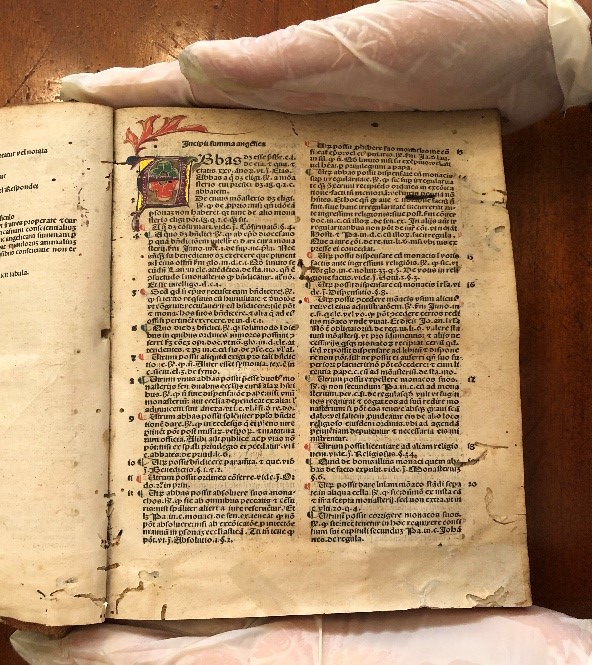
Inc. 3. Angelus de Clavasio. Summa angelica de casibus conscientiae. Chivasso, Jacobinus Suigus, 13 May 1486.
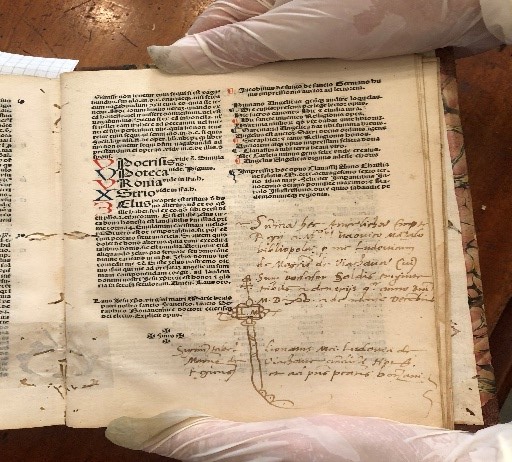
28 July 2020 – St. Dominic Convent, Rabat
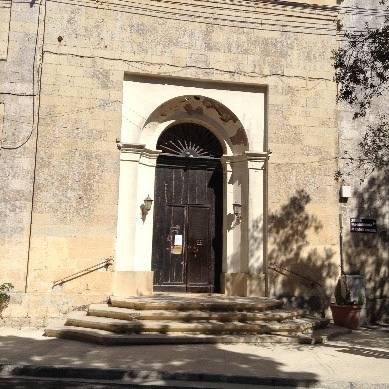


Rabat, a town in the heartland of Malta, is rich in history and charm, with an Arabic touch. St. Paul stayed here founding the first Christian community on the island.
Around 1450 Dominican monks coming from Sicily reached this territory. They decided to found their community in that cave where it is said the Holy Virgin had appeared to a hunter. Very soon the Dominicans built a huge church dedicated to the Virgin of the Cave.
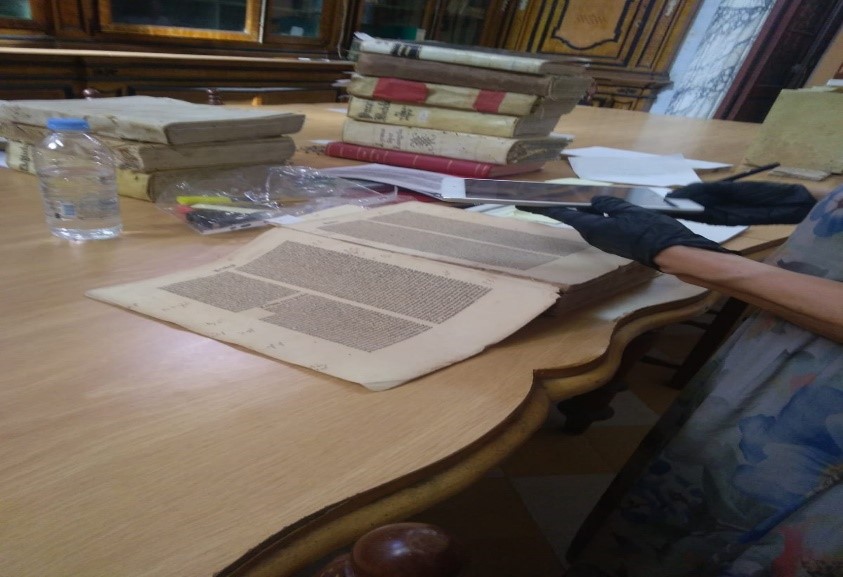
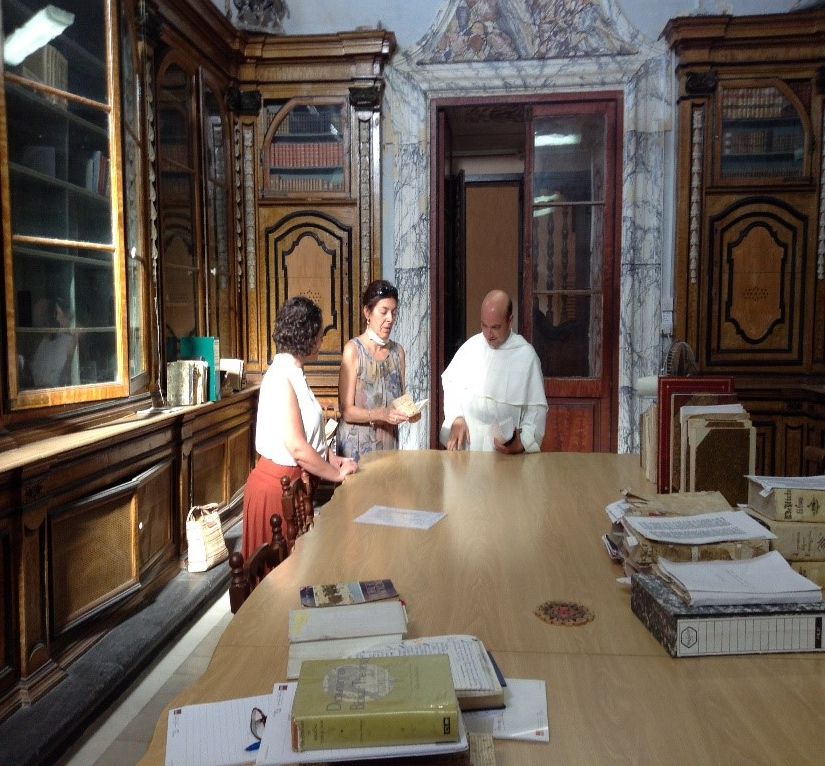
28 July 2020 – St. Dominic Convent, Rabat
The convent’s library hosts 11 incunabula not yet registered in ISTC.

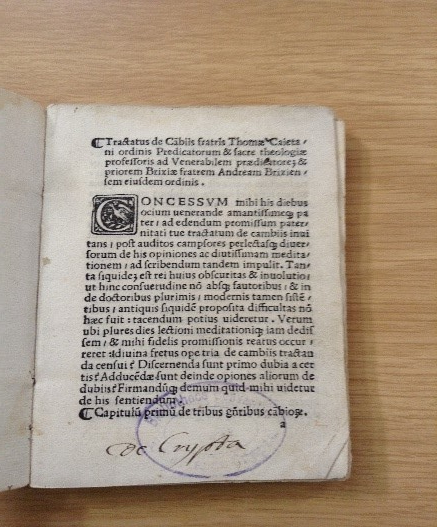

Left to right:
Inc. 3 – Thomas Aquinas. Super quarto libro Sententiarum Petri Lombardi. Venice, Bonetus Locatellus, for Octavianus Scotus, 23 May 1497
Inc. 8 – Thomas de Vio Caietanus. Tractatus de cambiis. [Milan, n.pr., after 9 Dec. 1499]
Inc. 1- Antoninus Florentinus. Summa theologica, Pars III. Venice, Andreas de Paltasichis, 21 Apr. 1485
29 July 2020 – Capuchin Central Library, Floriana
My trip to Malta ends with a visit to the Capuchin library in Floriana, a little town near the capital Valletta. The Capuchin Provincial Library, situated at the Floriana Capuchin Friary -established in 1588/59 -, is mostly rich in Theological works and for its Melitensea collection.
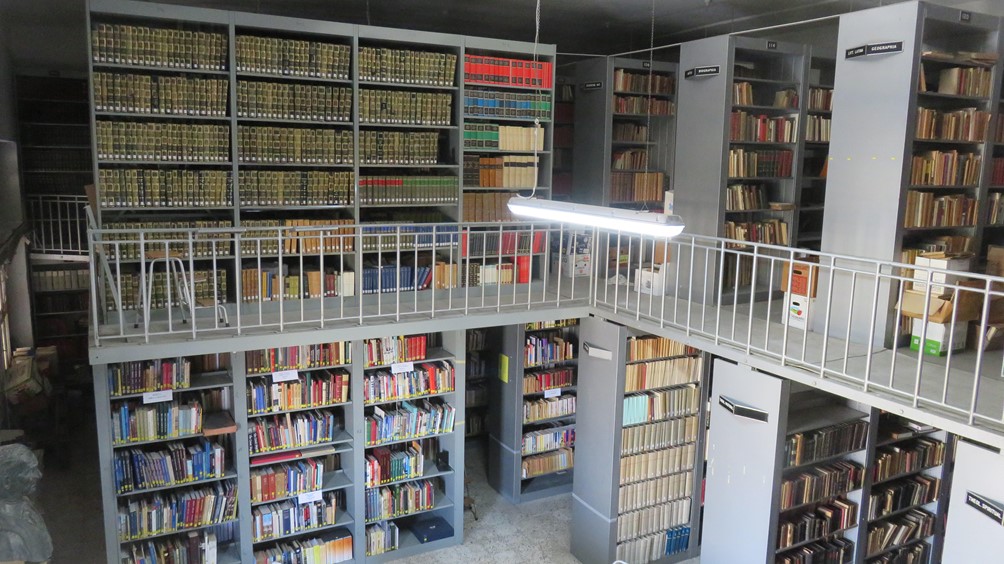
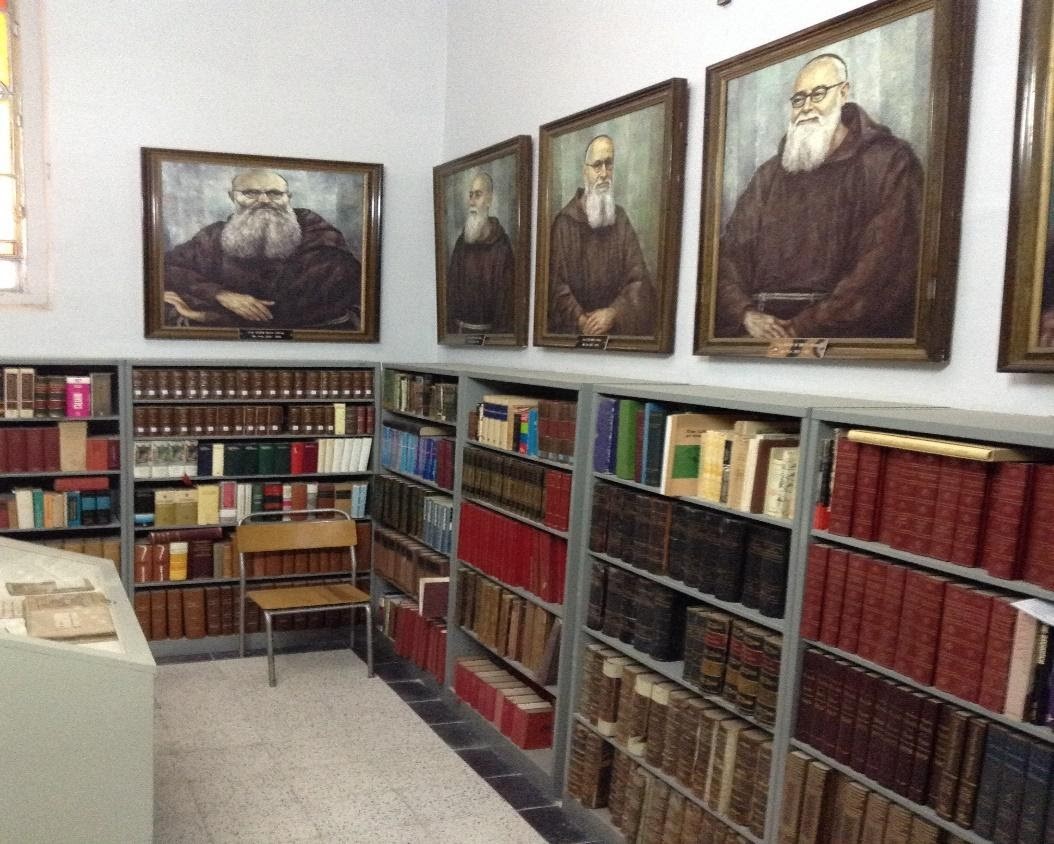
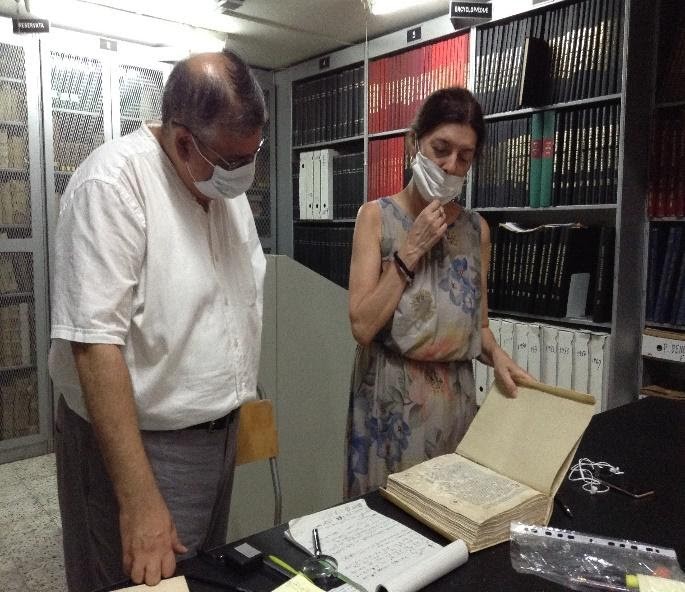
The library has only one incunabulum, Ovid’s edition entitled Fasti published in Rome in 1489.
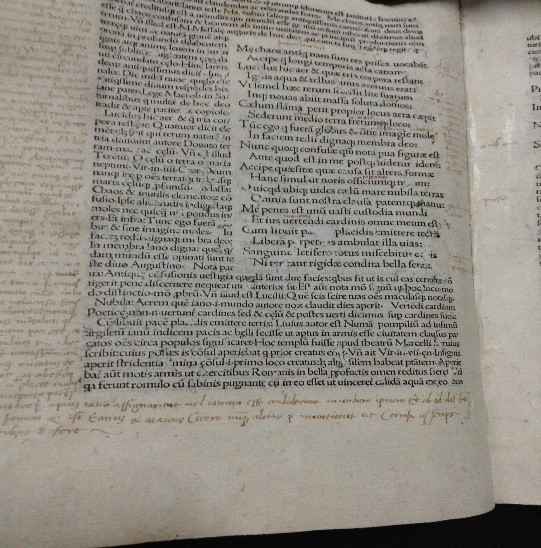
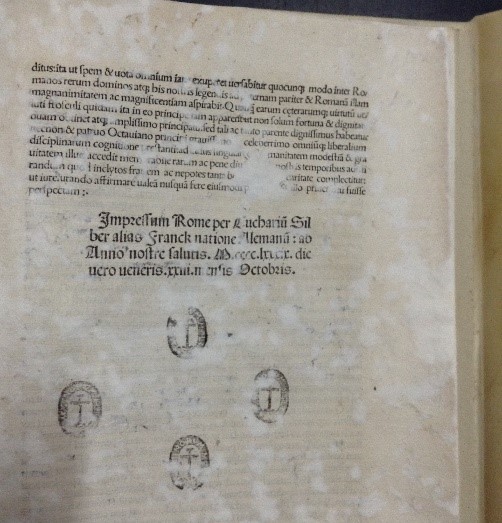
Inc. 1 – Ovidius Naso, Publius. Fasti. Rome, Eucharius Silber, 23 Oct. 1489
The third part of my trip to Malta was cancelled due to COVID-19 restrictions, but hopefully it will continue soon. See you in 2021, Malta!
Related articles
by Konrad K. Szymański (Ossolineum National Library, Wrocław)
November 9, 2026
by Caroline Duroselle-Melish, Angela Dressen and Attilio Bottegal, I Tatti, Harvard
November 9, 2026