
The British Library: A Hub for Global Knowledge Sharing
by Matthias Reif, Senior Librarian, Bavarian State Library, Munich
Share this article
The International Library Leaders Programme as a Networking Platform for Information Specialists
From 9th to 16th July 2025, the British Library will once again host its acclaimed International Library Leaders Programme. [1] Featuring lectures, group discussions, breakout sessions, and tours, it represents one of the numerous initiatives through which the British Library, as a leading global memory institution, actively promotes knowledge exchange and advances international librarianship. Having been selected as a delegate in the fourth cohort, I participated in the impressive weeklong programme from the 3rd to the 10th July last year.
The programme provided inspiring insights into the remarkable history of the library’s extensive and diverse collections, including its treasures, buildings, conservation practices, digitisation initiatives, and a wide range of services. It also broadened perspectives on strategic planning, project management, human resources challenges, funding sources, and future visions. The course was particularly valuable to me as someone with a keen interest in rare books and special collections, as it covered the diversity and complexity of tasks within the overall structure of a library. Engaging with various experts opened up many opportunities for personal and professional growth.
In this short blog post, I am able to spotlight just a few of the numerous exciting key topics the programme addressed. Readers interested in more details are referred to the previously published comprehensive article of my fascinating experience. [2]
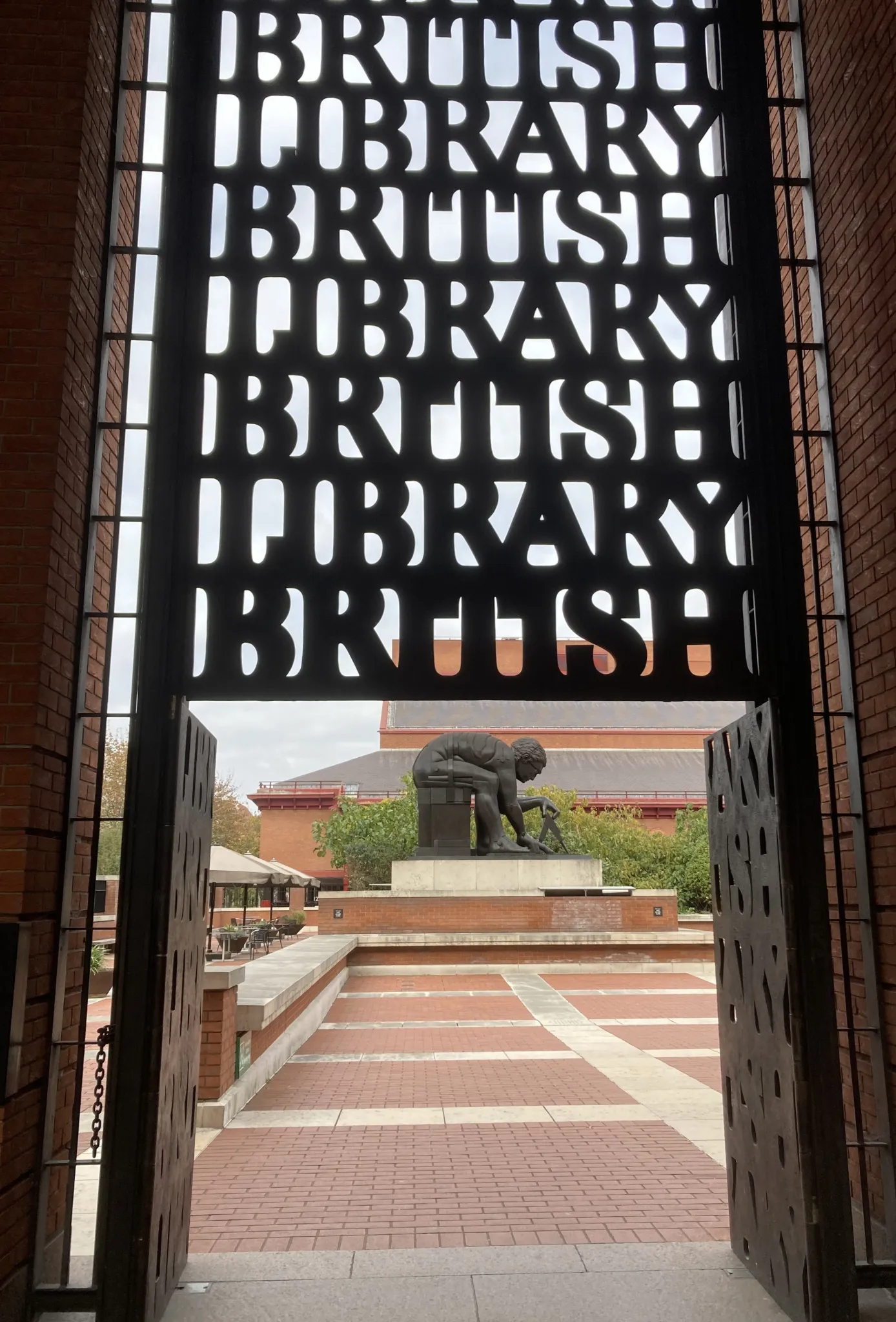
Fig. 1: Paolozzi’s sculpture Newton, viewed through the principal entrance portico in front of the piazza at the British Library, St Pancras.
Strategic Foresight
A highlight of the programme was the session on Knowledge Matters, the British Library’s vision for 2023 to 2030. [3] This vision emphasises artificial intelligence as a crucial driver of digital transformation and a changing world, aiming to make … intellectual heritage accessible to everyone for research, inspiration, and enjoyment. The strategy encompasses several key purposes:
- Custodianship: Preserving and providing access to UK’s physical and digital collections
- Research: Supporting scholarly endeavours by enhancing access and developing St Pancras as centre for life science and data science research
- Culture: Promoting cultural understanding through on-site and online experiences, programmes, and exhibitions
- Learning: Supporting information literacy and lifelong learning in inclusive physical and digital environments
- International: Fostering global collaboration and knowledge exchange across the library sector
- Business: Assisting companies, ensuring sustainable growth and leveraging ethical AI
The strategy places a strong emphasis on diversity, inclusion, and anti-racism, demonstrating the library’s commitment to values as documented in its Race Equality Action Plan. The library’s premises also are reflected in its content and digitalisation strategy. Acquiring contemporary content published in the UK and globally and prioritising digital over print for research value are only two of the principles I want to mention. [4] Additionally, we gained insight into the key achievements of a total of over 950 digitisation projects undertaken by the British Library, including the Qatar Foundation Partnership Programme, Endangered Archives Programme, International Dunhuang Programme, and Google Books.
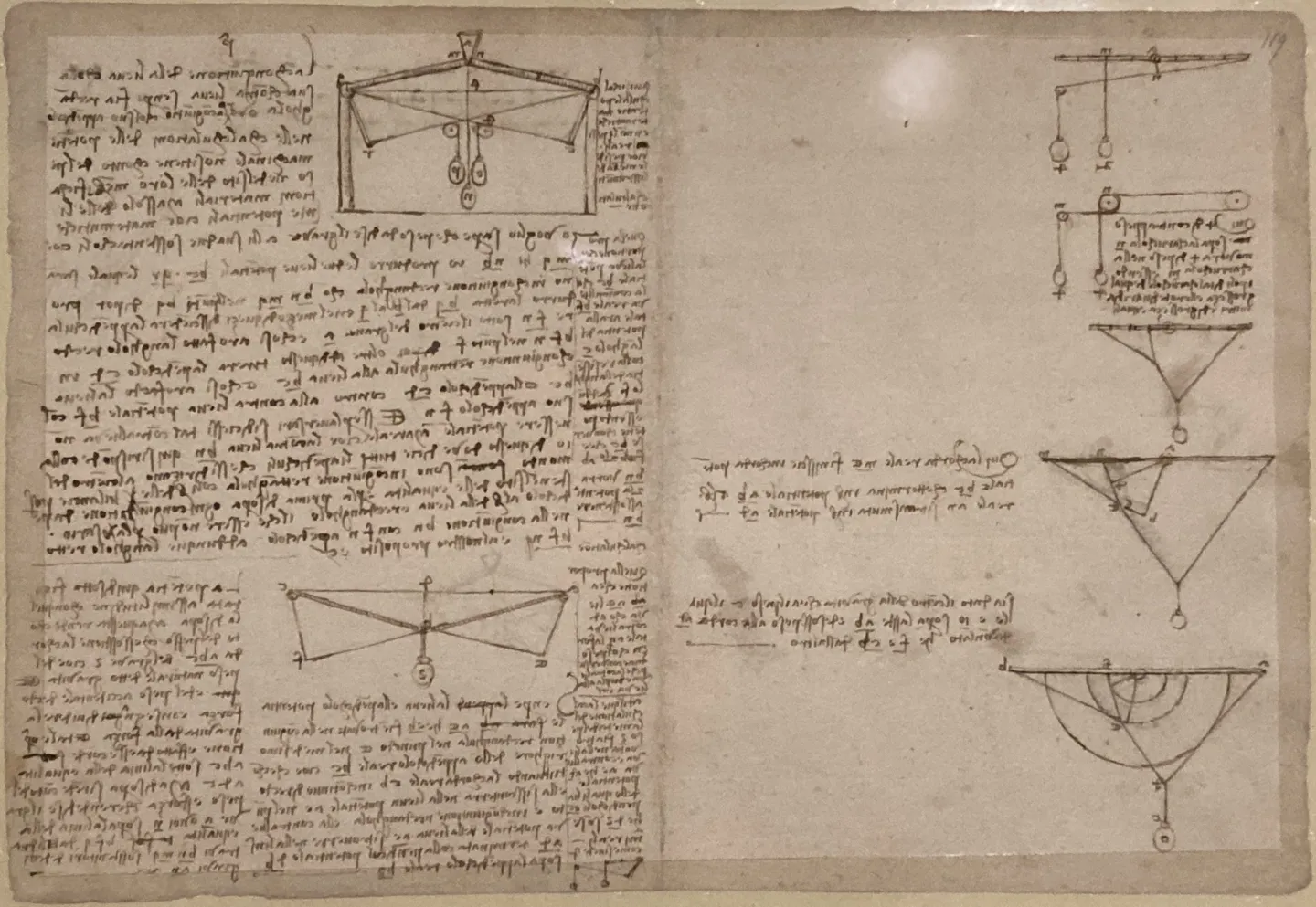
Fig. 2: Leonardo Da Vinci, The Science of Weights, around 1517-18, Arundel MS 263, ff. 116v- 119: Take note of the mirrored handwriting.
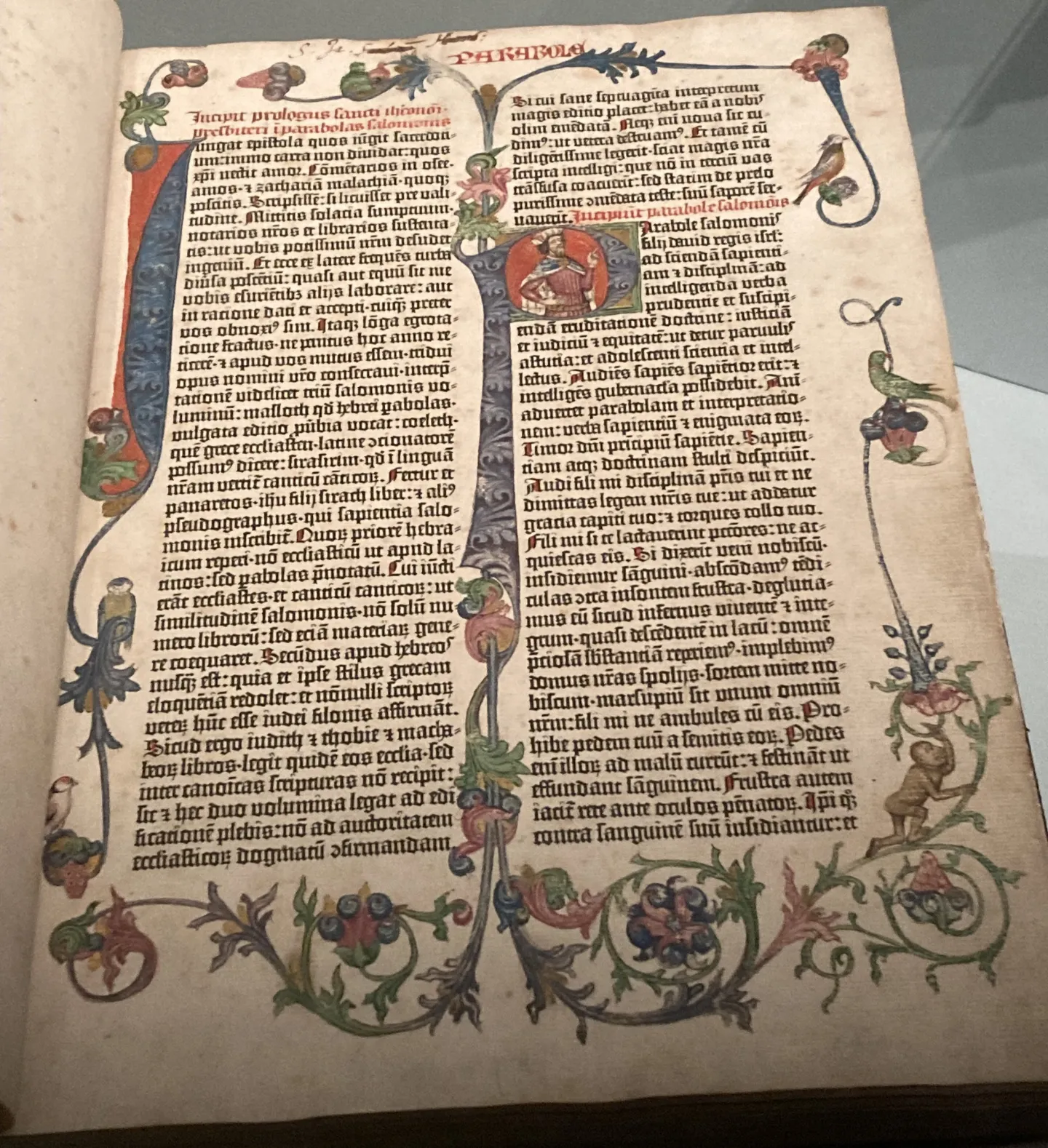
Fig. 3: The Gutenberg Bible, Mainz, around 1455, C.9.d.4.
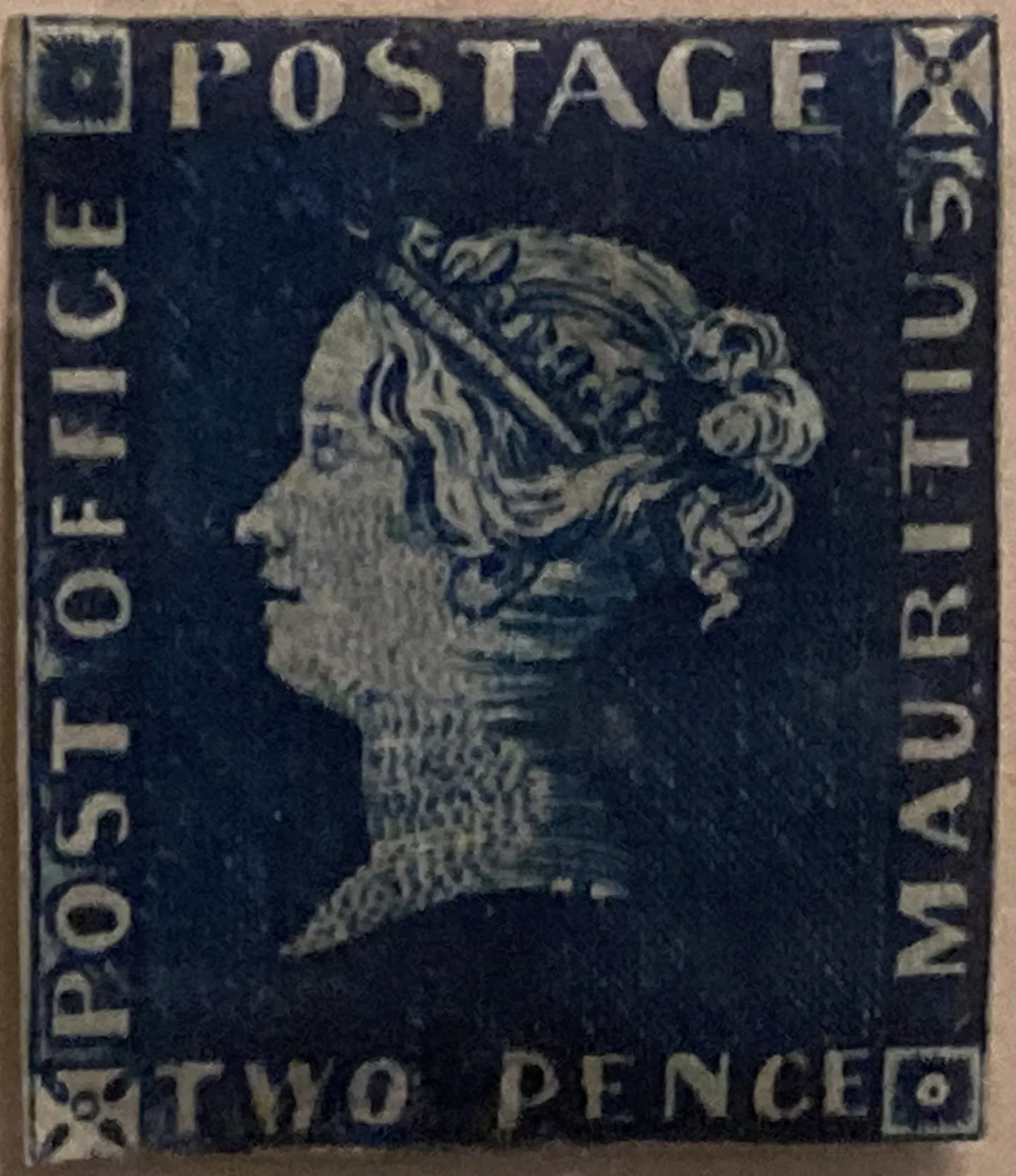
Fig. 4: The rare 1847 Blue Mauritius stamp, with only 12 known surviving specimens, bears the inscription ‘POST OFFICE’. The more common 1848 series is inscribed ‘POST PAID’.
Safeguarding Cultural Heritage
Preventive conservation and digital preservation were significant topics that were vividly illustrated during guided tours of the Preservation and Sound Archive Studios. The British Library Sound Archive, which houses around 6.5 million recordings, has been one of the most endangered collections for quite a long time. Initiatives such as the Unlocking Our Sound Heritage Project, as part of The Save Our Sounds Programme, aimed to preserve these recordings by transferring them to digital formats, involving digitising and cataloguing recordings from the British Library and other institutions, ensuring this unique collection is secured for future generations. An impressive example of permanent preservation and accessibility is the UK Web Archive, which archives all UK domain websites, currently amounting to almost 2 petabytes and over 100 curated collections. [5]

Fig. 5: Box and wax cylinder with sound recording dating back to around 1880.
Collection Management and Digitisation at Boston Spa
A particularly enlightening training day transported the cohort to British Library’s site at Boston Spa. The facility is comprehensively equipped with a reading room, office spaces, an expansive digitisation studio, and three distinct storage buildings.
The Next Generation Storage concept at Boston Spa is a paragon of advanced collection management. [6] It offers high storage density and fully automated storage systems, meticulously controlled for temperature, humidity, and oxygen saturation. These conditions not only contribute to preventive conservation but also significantly reduce fire risk. Sustainability is a cornerstone of this initiative, with the new storage building designed as a passive house. It is heated by a heat pump powered by the library’s own solar panels, underscoring the British Library’s commitment to environmental responsibility and innovative collection management practices.
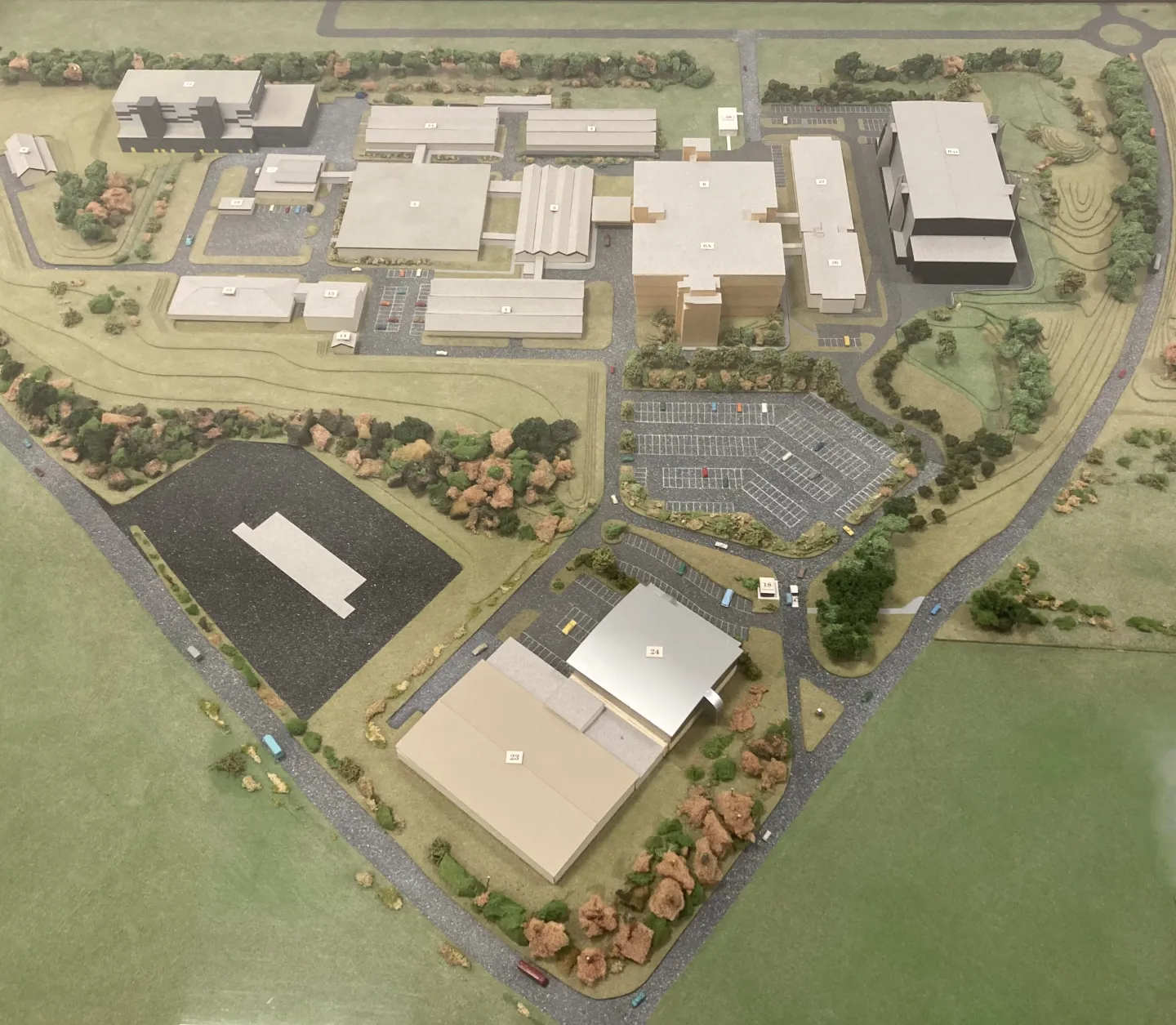
Fig. 6: Model of the British Library at Boston Spa – the three storage buildings are arranged in a triangle with the Urquhart-building in the centre.
Fortifying against Cyber Threats
One compelling session discussed a major ransomware attack by the hacker group Rhysida on 28th October 2023. [7] This attack resulted in the exfiltration of over 600 GB of files and the encryption or destruction of servers. The British Library’s refusal to pay the ransom led to the captured data being auctioned on the dark web. This event underscored the critical importance of regular IT system updates, comprehensive employee training on cyber-risks, and a robust technical infrastructure to mitigate future cyber threats.
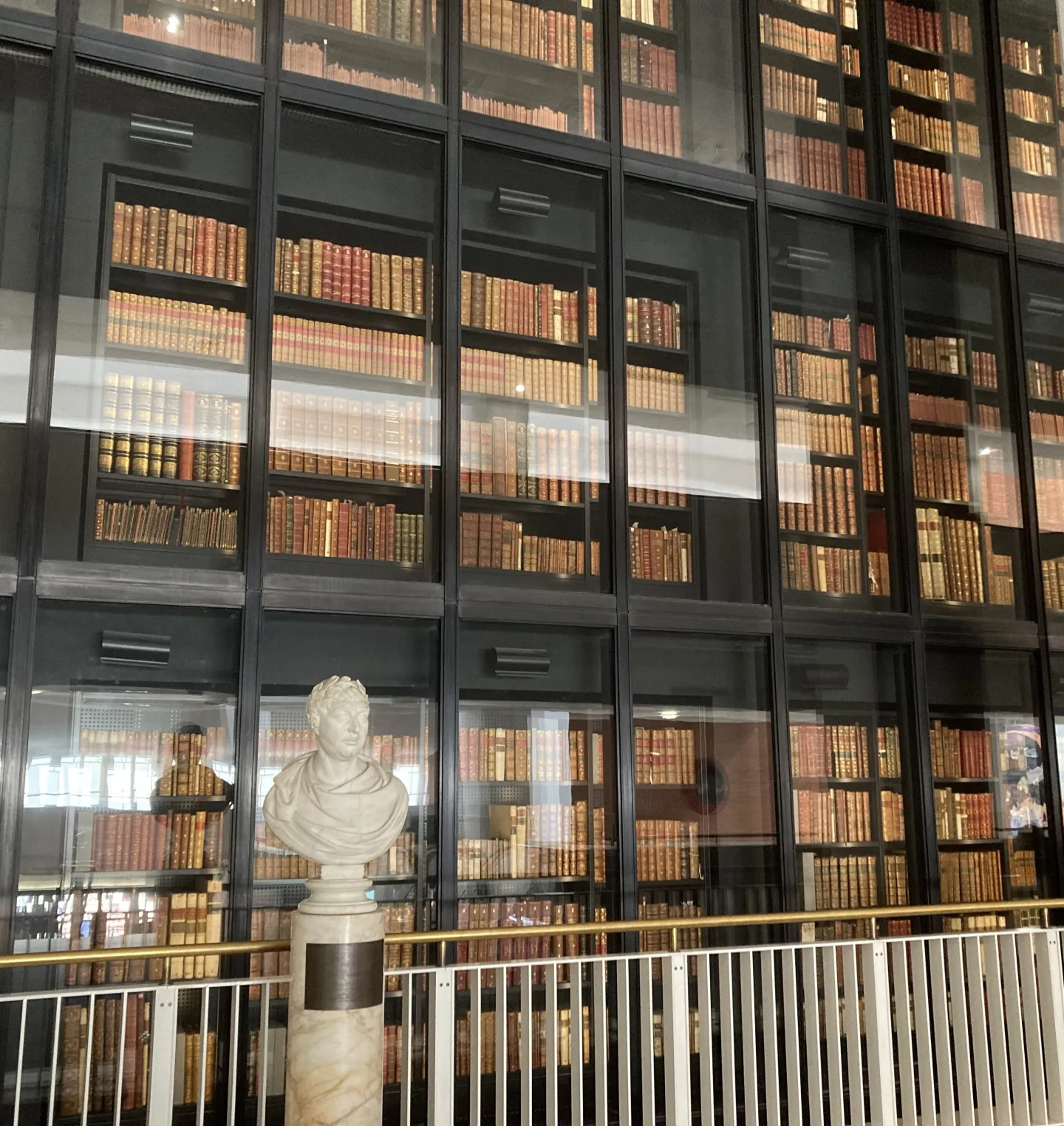
Fig. 7: Glas tower of the King’s Library and bust of George III at St Pancras.
Appreciation for a Transformative and Invigorating Experience
In conclusion, I extend my heartfelt gratitude to the British Library and our dedicated colleagues there for organising such a profoundly impactful programme. The International Library Leaders Programme was instrumental in equipping me with tools and insights necessary to navigate future leadership challenges in the library sector.
The programme’s intercultural exchange and international focus created an open-minded atmosphere and an engaging space for meaningful discussions, similar to those I have experienced through my cooperation with the Consortium of European Research Libraries (CERL), including its workshops and conferences.[8] I am delighted to carry forward this spirit of collaboration and innovation, which I have also witnessed in the RB Working Group.
The knowledge and experiences gained from this programme will undoubtedly shape my approach to leadership and contribute to the broader goals of the library community. Thank you, British Library, for this invaluable opportunity.
Notes
[1] Cf. CERL News 45 (December 2024) 4 – all websites as of 3rd March 2025.
[2] For the German-language article, which serves as the basis for this blog post, cf. Reif, M., Von Visionen, Strategien und bibliothekarischer Führungsverantwortung: Das International Library Leaders Programme an der British Library. ABI Technik 45,1 (2025) 55-64 (published in print: 29th January 2025, published online: 30th January 2025).
[3] Cf. Knowledge Matters. The British Library 2023-2030.
[4] Cf. Enabling Access for Everyone. The British Library’s Content Strategy 2020-2023.
[5] Also cf. https://blogs.bl.uk/webarchive/.
[6] Cf. Appleyard, Andrew H., The British Library – Rethinking Physical Storage. Library Management 44,5 (2023) 333-350.
[7] Cf. Learning Lessons from the Cyber-Attack. British Library Cyber Incident Review. 8 March 2024, also https://en.wikipedia.org/wiki/British_Library_cyberattack.
[8] Cf. especially CERL Strategic Plan 2024-2027.
Related articles
by Markéta Kučerová and Vojtěch Šícha, Library of the Czech Academy of Sciences
November 9, 2026

by Caroline Duroselle-Melish, Angela Dressen and Attilio Bottegal, I Tatti, Harvard
November 9, 2026