
The first books printed in Ukraine: their 450th anniversary
by Olga Tkachuk, Ossolineum Library, Wrocław
Share this article
Apostle (Acts and Epistles of the Apostles) and Primer are the earliest books printed on the territory of the present-day Ukraine, for which copies have been preserved to this day.
Both publications saw the light in the same year – 1574, in the same city – Lviv, in the same printing house – Ivan Fedorov’s printing shop. This makes it difficult to choose the winner of the title “the first book printed in Ukraine”.
However, it is commonly, but not universally [1], argued, that Apostle was printed first, and Primer came second. In Primer’s colophon only the year of publication is mentioned – 1574. In Apostle, in Fedorov’s afterword, the exact date when its printing started and finished is given:
This book entitled “Apostle” … started to be printed in the year 1573 on the 25th day of February and was finished in the year [15]74 on the 15th day of the same month.
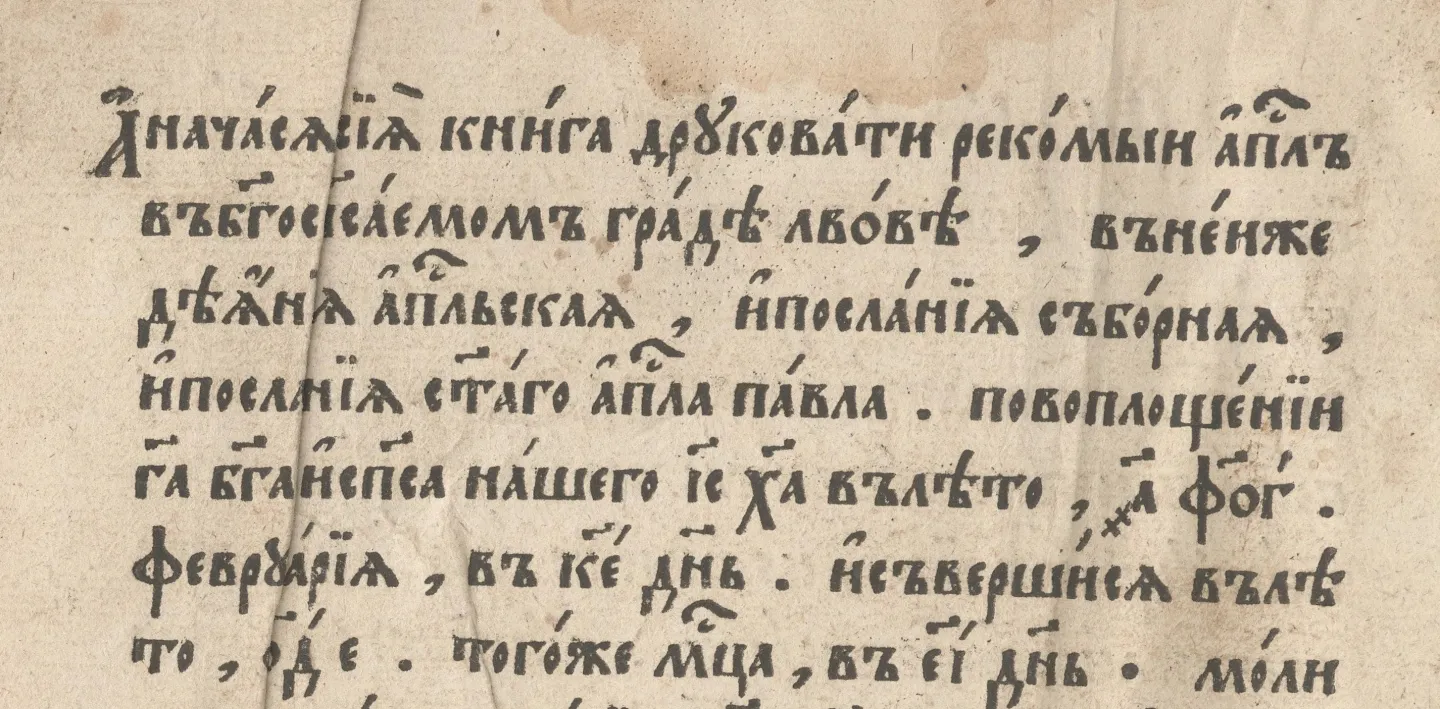
Fig. 1: Fragment of the Fedorov’s afterword with the bibliographic information. Apostle, fol. 263v.
(Image: https://polona.pl/item-view/9f5c85ca-94e5-47c3-8d42-b5b003fb7437?page=553)
This fragment shows that Apostol was being printed during almost all of 1573 and was finished at the beginning of the 1574, which makes it very likely that this book was the first Fedorov publication in Lviv.
In both Apostle and Primer Fedorov used the same paper and the same type. The head-and tail-pieces are very similar.
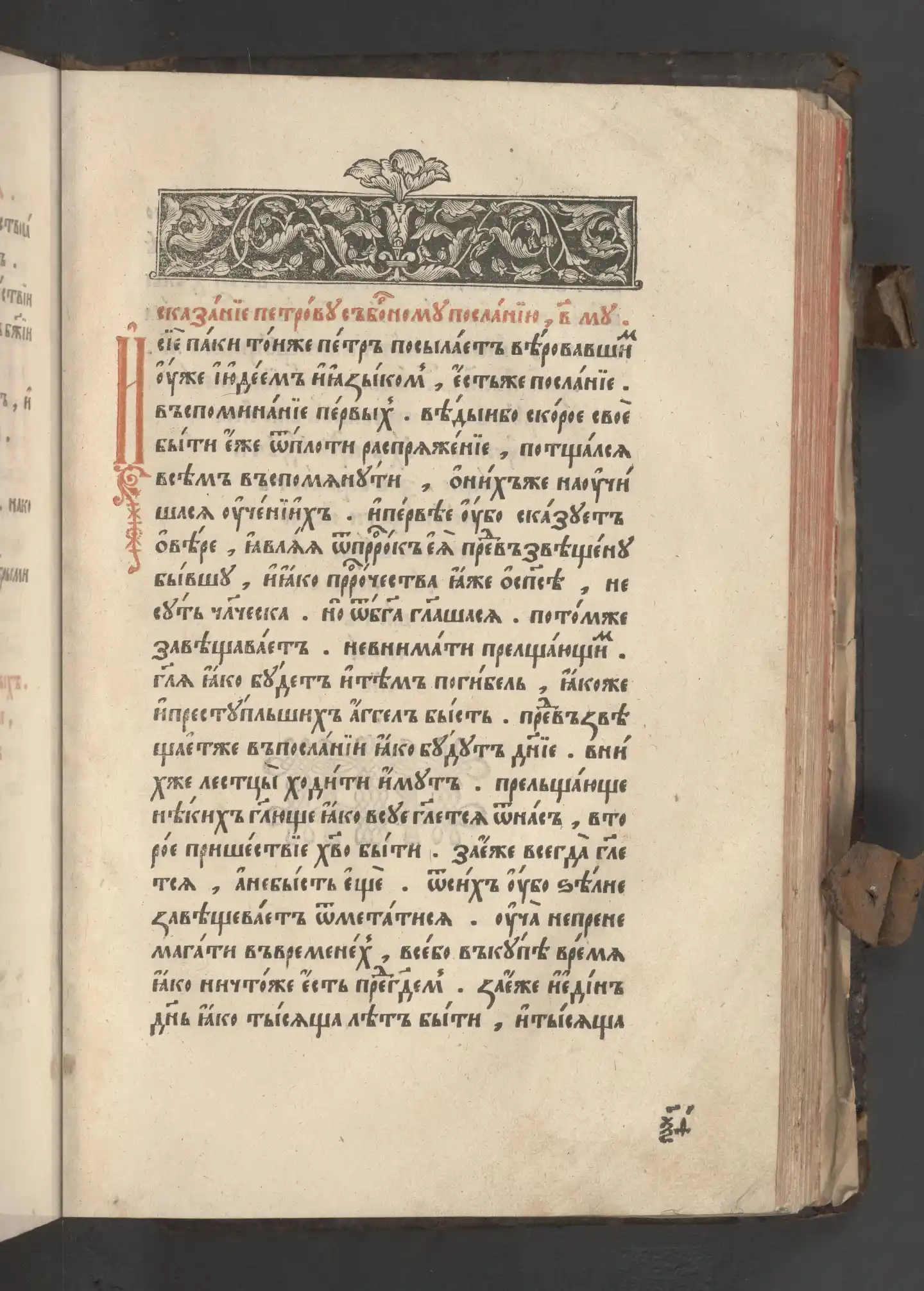
Fig. 2: Apostle, fol. 69.
(Image:https://polona.pl/item-view/9f5c85ca-94e5-47c3-8d42-b5b003fb7437?page=166)
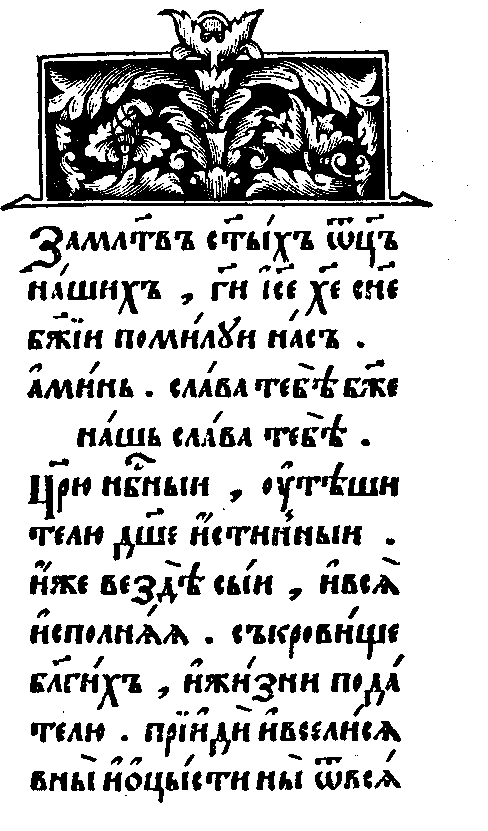
Fig. 3: Primer (facsimile). Kyiv 1964, fol. [25]r. (Image: http://litopys.org.ua/fedorovych/bf26.htm)[OT1]
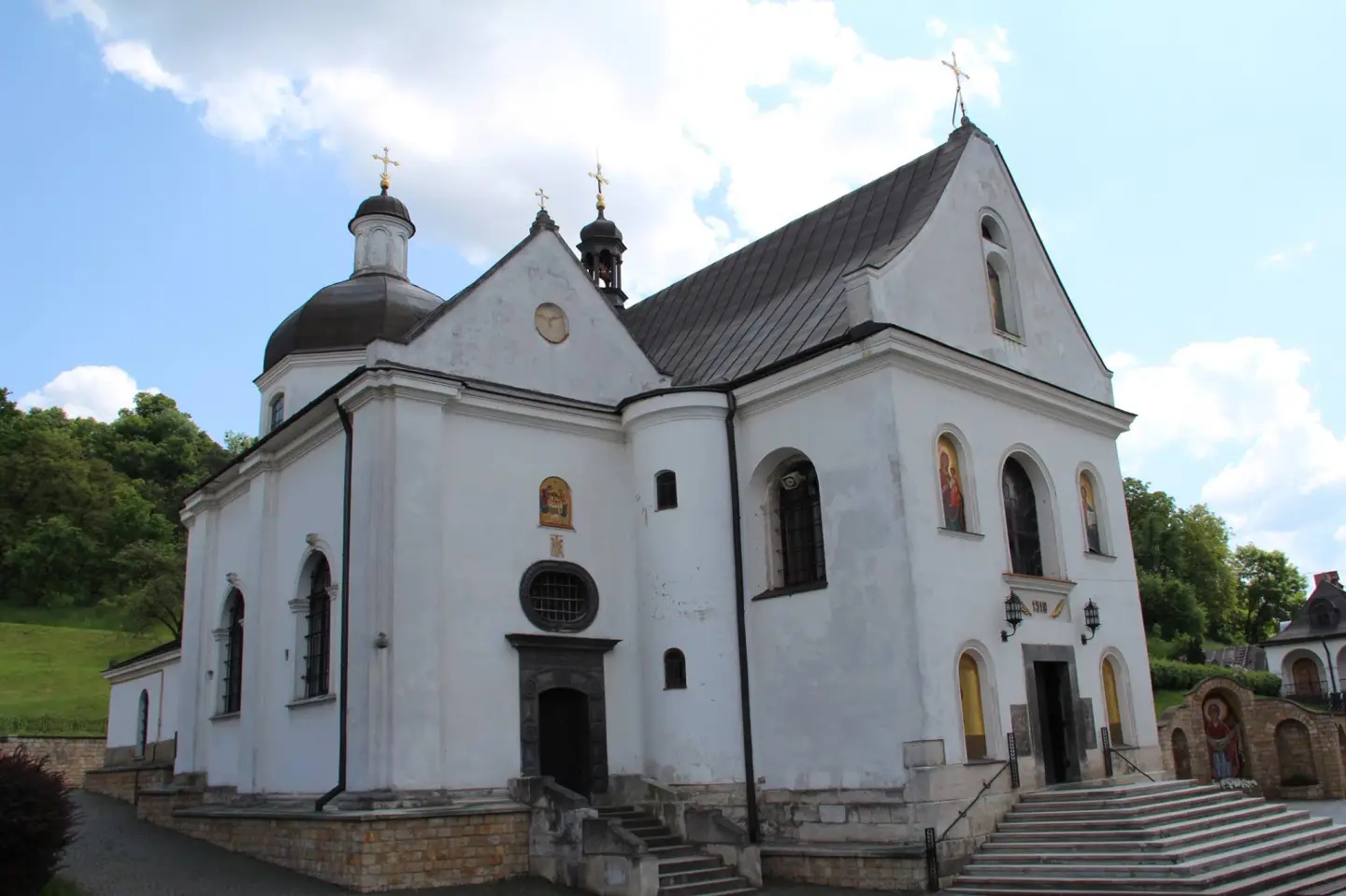
Fig. 4: The Saint Onuphrius Monastery in Lviv founded in the 13th century. Here Ivan Fedorov established his printing shop about 1573. (Image: Facebook of the Saint Onuphrius Monastery in Lviv)
Ivan Fedorov (Fedorovich/Fedorowicz ; ? – Lviv, 1583)
Neither the place nor the date of Ivan Fedorov’s birth are known. Before coming to Lviv, Ivan Fedorov was the deacon of the church of Saint Nicholas of Gostun’ in the Moscow Kremlin. Together with Piotr Mstislavets he ran the printing press in Moscow where two liturgical books – Apostle (1564) and Books of Hours (2 editions, 1565) – saw the light. Leaving the Grand Duchy of Moscow, Fedorov moved to Zabłudów in the Polish-Lithuanian Commonwealth (now in Poland), where in the printing shop founded by a Ruthenian noble Hryhorii Khodkevych he printed Didactic Gospel (1568-69; together with P. Mstislavets) and Psalms with Book of Hours (1569-70). In 1572 Fedorov arrived in Lviv where, supported by local Ukrainian burghers and lower clergy, he established his printing shop in about 1573. After Lviv, the printer moved to Ostroh (now in Ukraine), where he supervised a new printing house founded by a Ruthenian magnate Konstiantyn Vasyl’ Ostroz’kyi and where one of his most important books – the Ostroh Bible saw the light in 1581 [2].
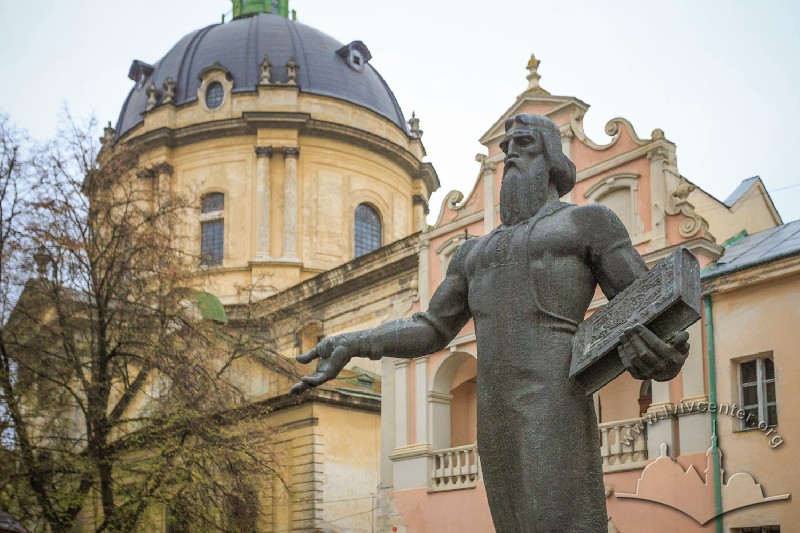
Fig. 5: Monument to Ivan Fedorov in Lviv (image: https://lia.lvivcenter.org/en/objects/monument-fedorov/)
The printer used the different forms of his name for signing his books: “Ivan”, “Ioan”, “Ioann” and two forms of his patronymic name (which is often treated as a family name): “Fedorov” and “Fedorovich/Fedorowicz”. The first form appeared, for example, in books printed in Moscow and Ostroh, the second which is a polonized form, was used in Zabłudów and Lviv publications.
Apostle is a liturgical book with the pericopes from the Acts and the Epistles of the Apostles used in the Orthodox and Greek-Catholic Churches. The book was printed in the Church Slavonic language. It consists of 15 unnumbered and 264 numbered leaves in folio. The 1574 edition contains an autobiographical afterword by Fedorov in which he gives a short overview of the history of his printing shops in Moscow, Zabłudów, and Lviv.
Apostle was printed without a title page, information about the place and the year of publication was given in the afterword to the book. The name of the printer together with his printer’s mark appear on the leaf 264 verso.
Illustrations
The book begins with the full-page woodcut illustration on the verso of the first of the unnumbered leaves which presents the coat of arms of Hryhorii Khodkevych, the previous patron of Fedorov in Zabłudów.
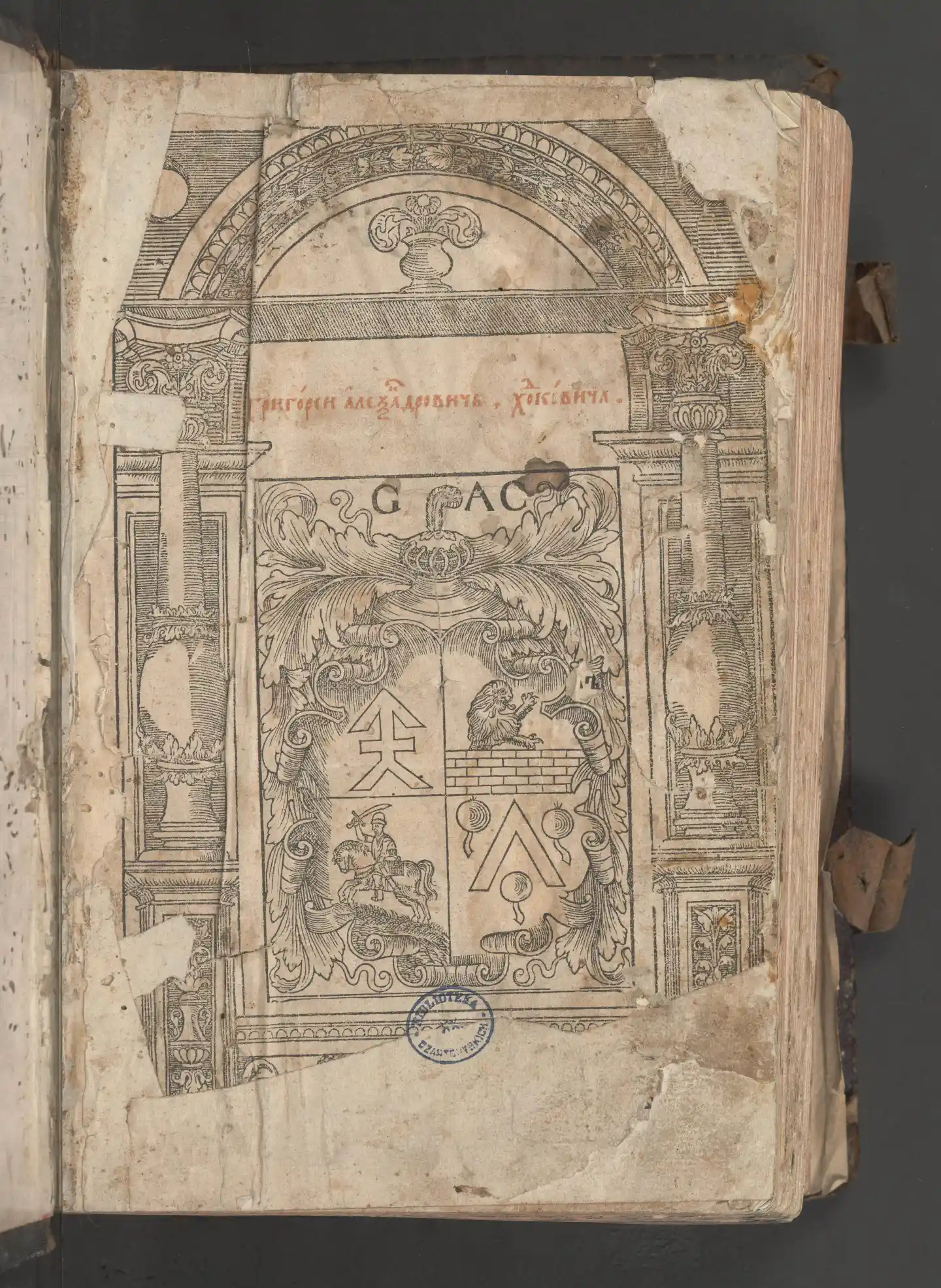
Fig. 6: Apostle, fol. [1]v.
(Image: https://polona.pl/item-view/9f5c85ca-94e5-47c3-8d42-b5b003fb7437?page=2)
The second full-page illustration on the leaf 2 verso depicts St. Luke the Evangelist. It is signed with the initials WS and ЛП (LP). The firs are attributed to Wendel Scharfenberger, a printmaker from Kraków, the second to Lavrentii Pukhala (also Lavrin / Lavrysh Fylypovych), a painter from Lviv.
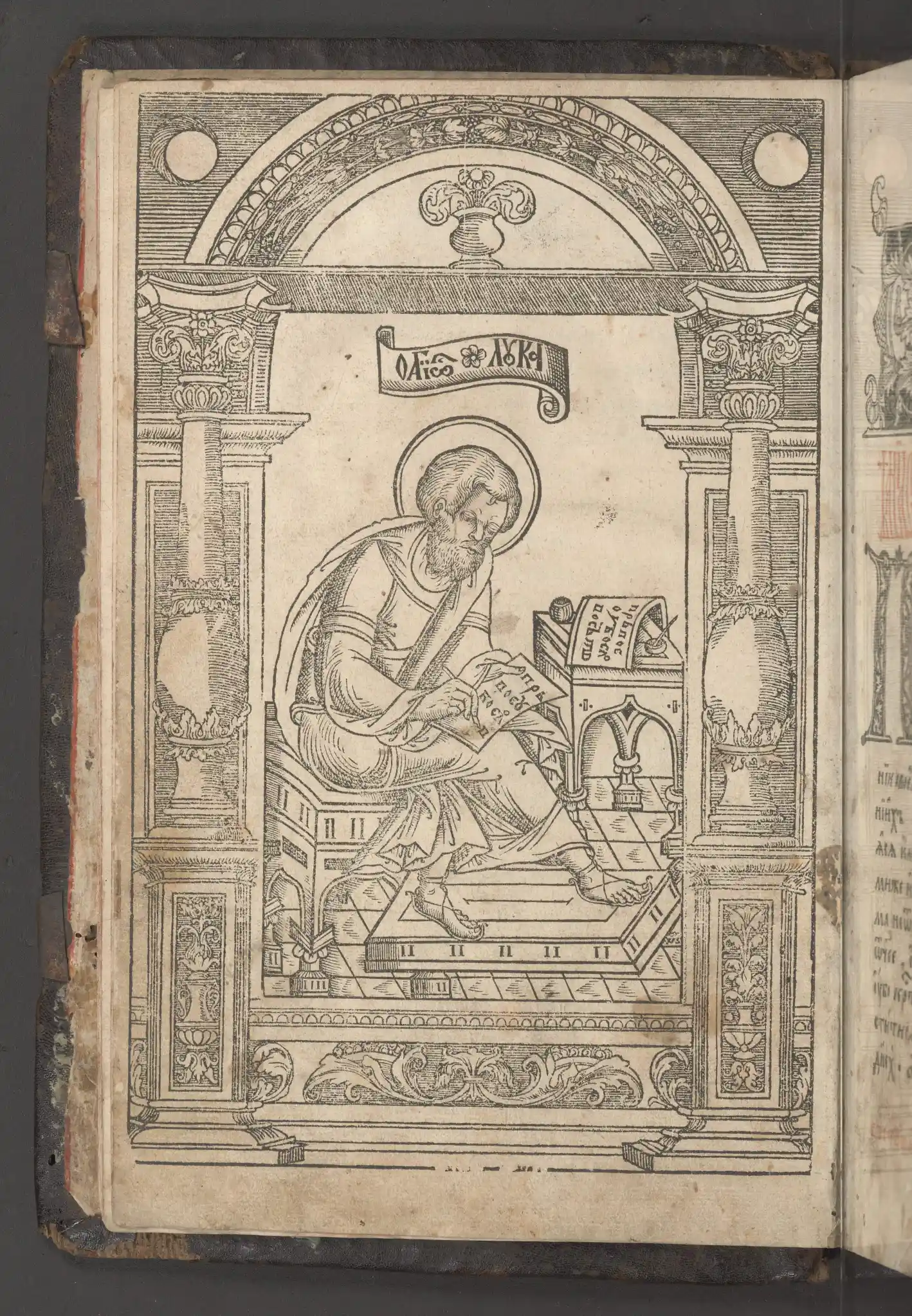
Fig. 7: Apostle, fol. 2v.
(Image:https://polona.pl/item-view/9f5c85ca-94e5-47c3-8d42-b5b003fb7437?page=35)


Fig. 8 – Fig. 9 Initials WS and ЛП (LP) on the illustration depicted St. Luke Evangelist
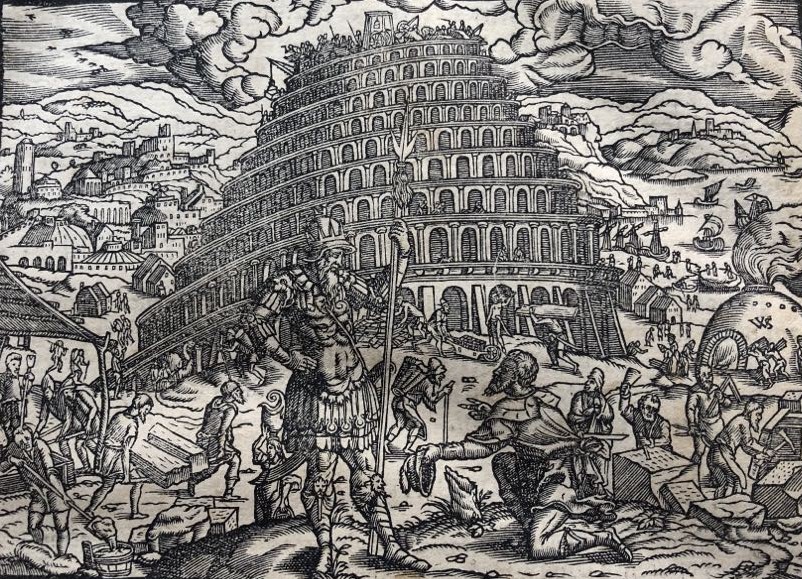
Fig. 10: “Tower of Babel”, woodcut illustration signed WS (Wendel Scharfenberger). Bible. Kraków 1577(Ossolineum Library, shelfmark: XVI-4109)
The woodcut composition with the plant ornament on the leaf 264 verso includes the arms of the city of Lviv and Ivan Fedorov’s printer’s device. This illustration is also signed with the initials WS, which means that its author could also be Wedel Scharfenberger.
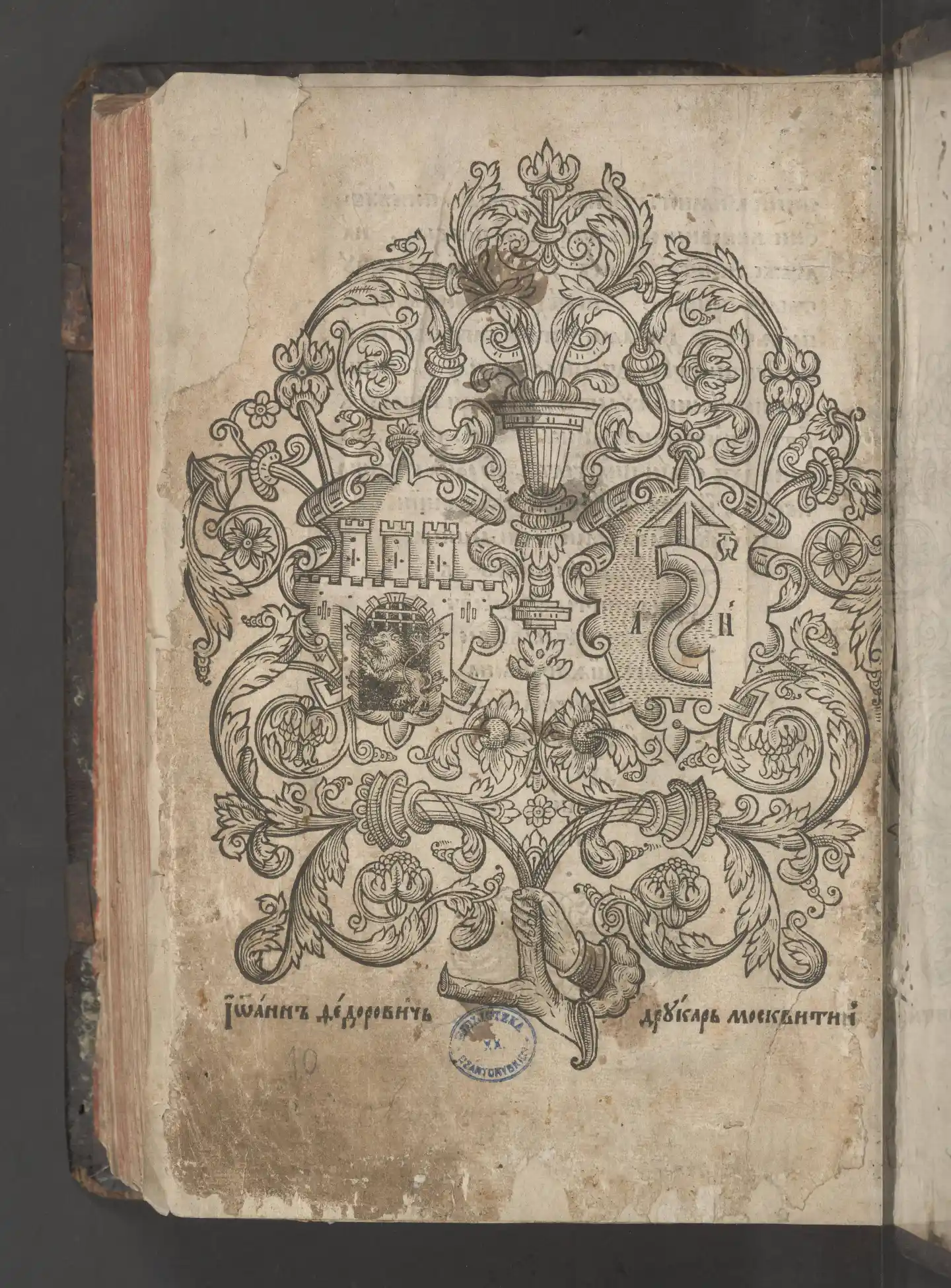
Fig. 11: Apostle, fol. 264v.
(Image: https://polona.pl/item-view/9f5c85ca-94e5-47c3-8d42-b5b003fb7437?page=555)
Apostle illustrations comprise also numerous initial letters, head- and tail-pieces.
***
The print run of the Lviv Apostle was about 1 200 copies. Nearly 90 of them are preserved today.
The first time a copy of Lviv Apostle was listed was in the Bodleian’s 1674 catalogue:
Acta Apostolorum, & qædam ex Epistolis Pauli ac aliorum Apostolorum ; cum Liturgicis quibusdam : hisce præmittitur aliquid de Epiphaniâ. – B. 21.16. Th. [4]

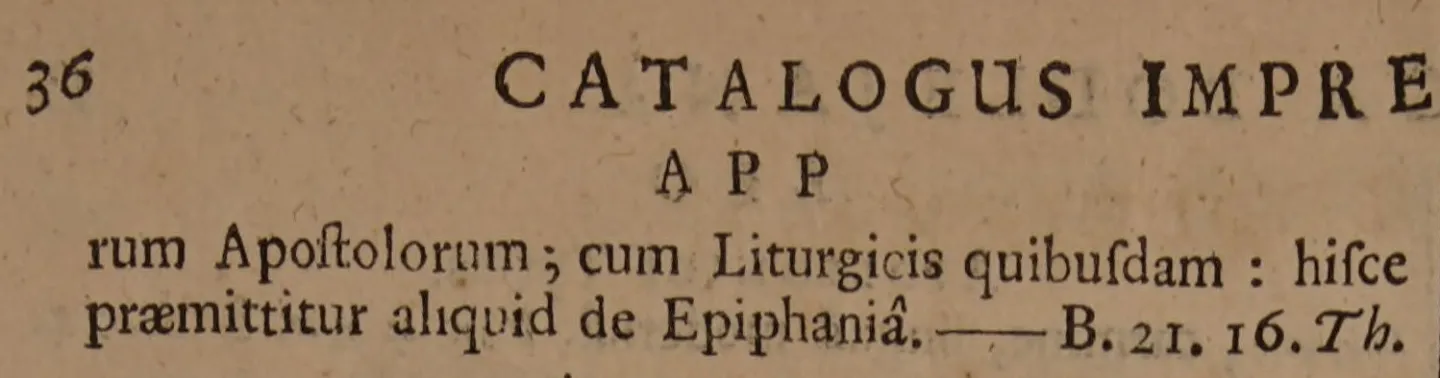
Fig. 12-13
Images: https://wellcomecollection.org/works/tjr9g5hv/items?canvas=58
The catalogue description in Latin includes only the title of the book. Neither the place, nor the year of publication, nor any other data that would allow the identification of the edition is given. The only detail which helps to identify the book is the shelfmark B. 21.16. Th. Thanks to Digital Bodleian service the copy of the Lviv Apostle with the selfmark B. 21.16. Th. is available online: https://digital.bodleian.ox.ac.uk/objects/e0000725-73ef-41f8-bc8c-43728edf76b9/surfaces/20e0f8c9-3f16-4655-a68d-d73c02987019/
PRIMER (Lviv 1574)
The Primer or Alphabet Book issued by Fedorov in Lviv in 1574 is the first Church Slavonic language textbook. It consists of 40 unnumbered leaves in octavo. The book is composed of two parts. The first gives basic instruction in the Church Slavonic alphabet with some grammatical and orthographic data. The second part contains excerpts from the religious texts intended for teaching children the rudiments of reading and the faith.
Like the Apostle, the Primer was printed without a title page. Bibliographic information, such as the place and the year of publication is given in the colophon.
Illustrations
The Primer illustrations comprise arms of the city of Lviv and Ivan Fedorov’s printer’s device at the end of the book; head- and tail-pieces.
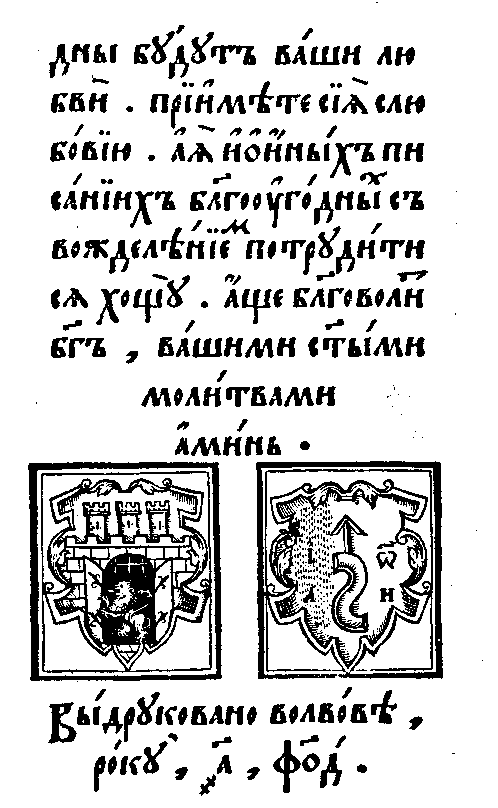
Fig. 14: Primer (facsimile). Kyiv 1964, fol. [40]r. (Image: http://litopys.org.ua/fedorovych/bf41.htm)
***
The 1574 edition of the Lviv Primer was unknown till the half of the 20th century. Today only two copies are known in the world.
The first known copy of the book, which today is stored in Harvard Library [5], came to this institution in 1953 from Mr Bayard Livingston Kilgour Jr. He had acquired it in Paris from the collection of Boris Kochno, to whom it was bequeathed by Sergei Diaghilev, a Russian art critic and ballet impresario, who had bought the book in Rome in 1927. Before Diaghilev bought the book, it belonged to Count Grigory S. Stroganov, who assembled a rich book and art collection in Rome [6].
The copy of the Lviv Primer from the Harvard Library remained the only known copy until 1982, when the British Library acquired the second known copy from a rare books dealer [7]. This copy is co-bound with the other, Moscow, edition of the Primer of 1637 [8].
Polemic on the beginning of the printing in Ukraine
The discussion about the beginning of printing in Ukraine among researchers and book historians has been going on since the 60s of the 20th century. It was started by a historian and archivist Orest Matsiuk with his article entitled “Was there a book printing in Ukraine before Ivan Fedorov?” [9], which relied on the documents he had founded in the Central State Historical Archives of Ukraine in Lviv (CSHAUL). These documents describe the late 18th century dispute between the Basilians and the Orthodox Stauropegion Brotherhood over the property of the St. Onuphrius Basilian Monastery in Lviv, which among other things included claims on the printing house founded in 1460 by a local burgher Stepan Dropan:
“Statement of the monks of the St. Onuphrius Basilian Monastery in Lviv to the Fiscal Collegium with the request to take all necessary measures for returning to it movable and immovable property including the printing house, and to fulfill all obligations towards the monastery” (1791) [10].
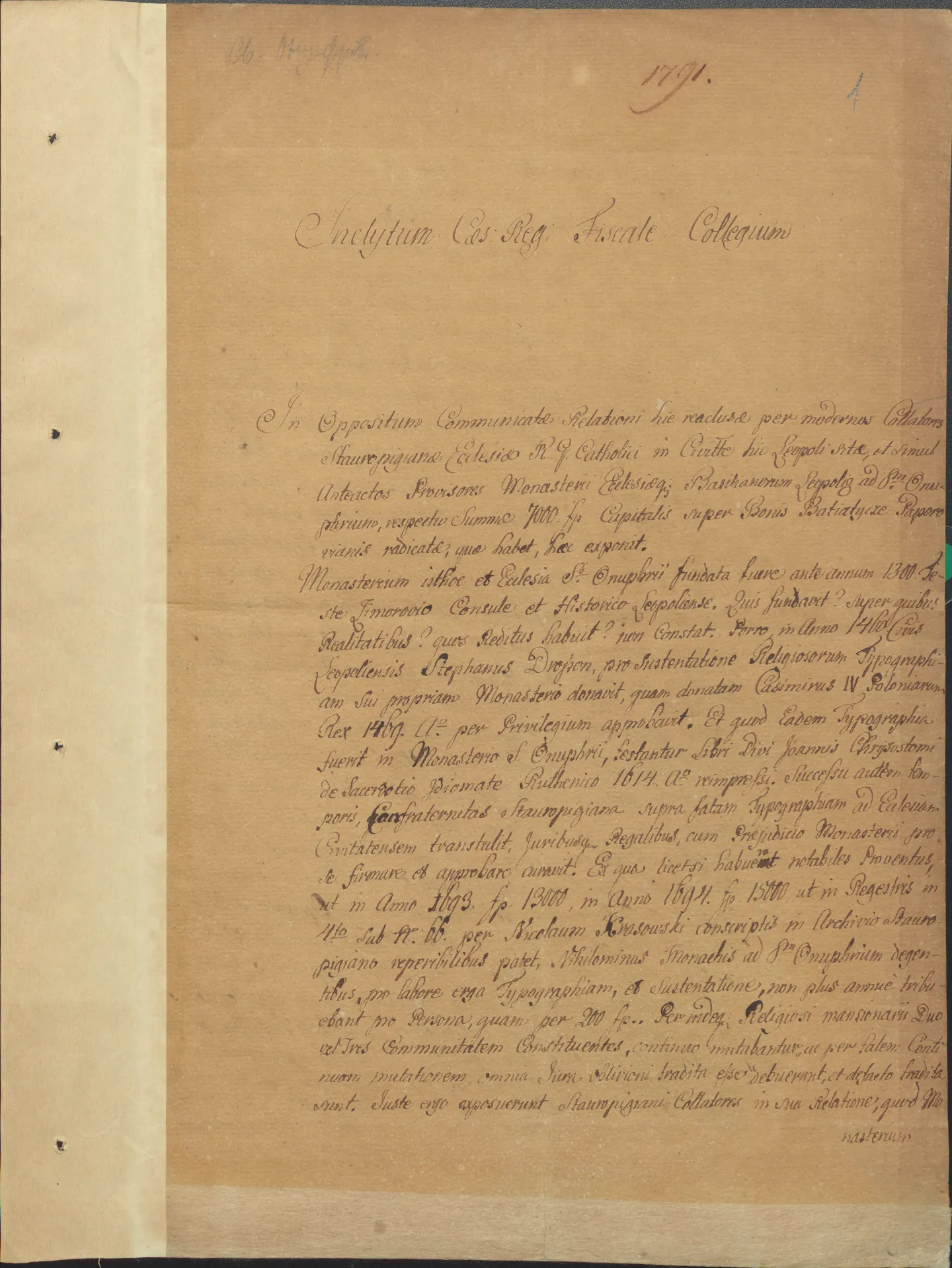
Fig. 15: Fragment of the “Statement…”. (Image: https://tsdial.archives.gov.ua/index5_31.html)
“Explanatory note by the Stauropegion Brotherhood overseers to Lviv Eldership in connection with the Basilian claims to the printing house founded in 1460 by Stepan Dropan” (1792) [11].
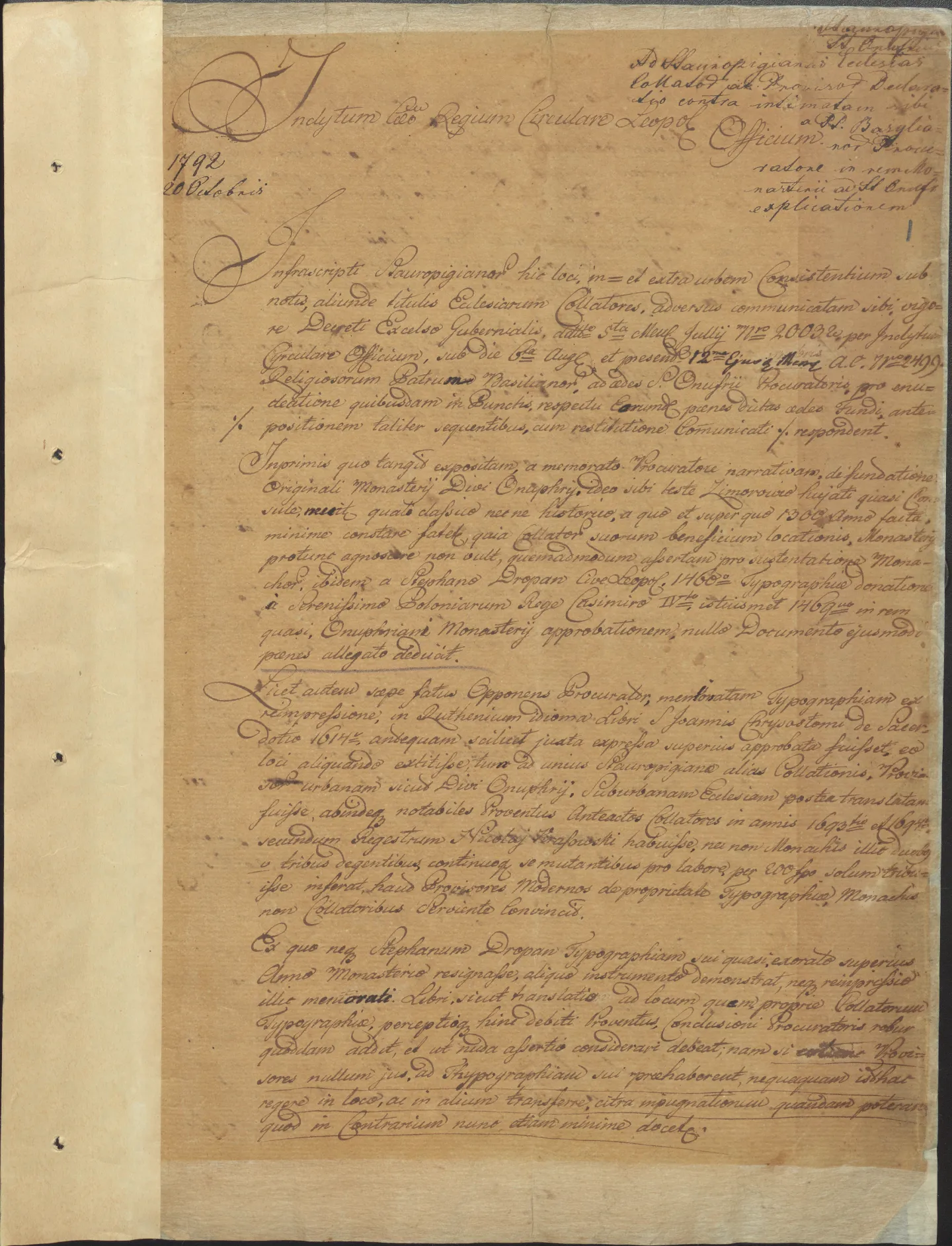
Fig. 16: Fragment of the “Explanatory note…”. (Image: https://tsdial.archives.gov.ua/index5_31.html)
Information about Stepan Dropan and his printing shop in the archival documents made some book historians conclude that printing in Ukraine, namely in Lviv, began before Fedorov in the second half of the 15th century [12].
The hypothesis that book printing in Ukraine existed before Ivan Fedorov appeared in literature even before the Matsiuk’s discovery in the Lviv archives [13]. This theory appeared in view of the phrase inscribed on the Fedorov’s tombstone, which claimed that Fedorov “renewed neglected printing”.
The tombstone has not survived to this day. The last information about it comes from 1883. The inscription on the gravestone was copied by Modest Hrynevets’kyi in 1817.
The question of the existence of book printing in Lviv before Fedorov is still open. Further research is needed to prove this fact. However, until copies of books printed in Lviv before 1574 are found, Apostle and Primer keep their title of the first books issued in Ukraine.
Notes
[1] Based on the information in the afterword to the Lviv Primer Vasyl’ Nimchuk, a Ukrainian linguist and book historian, concluded that the Primer was printed the first, and Apostle the second, see: V. Nimchuk. Vyznachna pamiatka vitchyznianoho drukarstva. In: Bukvar Ivana Fedorova. Kyїv 1975 (http://litopys.org.ua/fedorovych/bf01.htm, access: 01/02/2024).
[2] Records of the Ostroh Bible copies in the HPB Database: LI-ViUB.01.VUB01-000423143; DE-601.GVK.155829432; DE-604.VK.BV002409224.
[3] Didital copies of Lviv Apostle (1574) from the collections of the Vernadsky National Library of Ukraine and the National Library of Poland, see:
http://irbis-nbuv.gov.ua/cgi-bin/irbis_ir/cgiirbis_64.exe?Z21ID=&I21DBN=ELIB&P21DBN=ELIB&S21STN=1&S21REF=10&S21FMT=online_book&C21COM=S&S21CNR=20&S21P01=0&S21P02=0&S21P03=FF=&S21STR=00000002 ; https://polona.pl/preview/9f5c85ca-94e5-47c3-8d42-b5b003fb7437, access 01/02/2024.
[4] Catalogus impressorum librorum bibliothecæ Bodlejanæ in academia Oxoniensi / Curâ et Operâ Thomae Hyde è Reginæ Oxon. Protobibliothecarii. Oxonii : E theatro Sheldoniano 1674, pp. 35-36.
[5] Facsimile edition based on the copy from the Harvard Library with Commentary by Roman Jacobson and Appendix by William A. Jackson, see: W. A. Jackson and R. Jakobson. Ivan Fedorov’s primer. Harvard Library Bulletin IX/1 (Winter 1955), pp. 5-39.
[6] More on the history of the copy, see:
https://www.journals.uchicago.edu/doi/abs/10.2307/2849267?journalCode=spc
[7] More on the history of this copy, see: K. Rogatchevskaia. Inheritance Books (https://blogs.bl.uk/european/2014/05/ivan-the-terrible-primers-ballet-and-the-joys-of-curatorship-.html, access: 01/02/2024); Ch. Thomas. ‘Two East Slavonic Primers: Lvov, 1574 and Moscow, 1637’. eBLJ, 1984 (https://www.bl.uk/eblj/1984articles/article2.html – not available at the moment).
[8] The Lviv Primer’s digital copy from the British Library was available via the BL catalogue, which doesn’t work correctly after a major cyber-attack in October 2023.
[9] Matsiuk, O. Chy bulo knyhodrukuvannia na Ukraini do Ivana Fedorova? In: Arkhivy Ukrainy 2 (1968), pp. 3–14.
[10] CSHAUL. Fond 684. Inventory 1. Unit 2601. Text of the document in Latin (original), English and Ukrainian translation, see: M. Tymoshyk. Pershyi ukraїns’kyi drukar Stepan Dropan, a ne Ivan Fedorovych. In: Ukraїns’kyi informaciinyi prostir 4 (2019), pp. 42-62.
[11] CSHAUL. Fond 684. Inventory 1. Unit 2602. Text of the document in Latin (original), English and Ukrainian translation, see: M. Tymoshyk. Pershyi ukraїns’kyi drukar Stepan Dropan…, op. cit.
[12] See, e.g., Matsiuk, O. Chy bulo knyhodrukuvannia na Ukraini do Ivana Fedorova…, op. cit.; M. Tymoshyk. Pershyi ukraїns’kyi drukar Stepan Dropan…, op. cit., pp. 24-62; Ia. Zapasko. A zvaly drukaria Stepan Dropan. In: Ukraїна 47 (1969), p. 23.
[13] See: J. S. Bandtkie. Historia drukarn w Krolestwie Polskiem i Wielkiem Xięstwie Litewskiem i w kraiach zagranicznych, w których polskie dzieła wychodziły [The history of printing in the Kingdom of Poland and the Grand Duchy of Lithuania and in foreign countries in which Polish works were published]. Vol. 1. Kraków 1826, pp. 381-382; D. Zubrzycki, D. (1836). Historyczne badania o drukarniach rusko-słowiańskich w Galicyi [Historical research on Ruthenian-Slavic printing houses in Galiciya]. Lwów, 1836, pp. 12-13; I. Ohiienko. Istoriia ukraїns’koho drukarstva [The history of the Ukrainian printing]. Kyїv 1994, p. 67 etc.
Related articles
by Markéta Kučerová and Vojtěch Šícha, Library of the Czech Academy of Sciences
November 9, 2026
by Konrad K. Szymański (Ossolineum National Library, Wrocław)
November 9, 2026