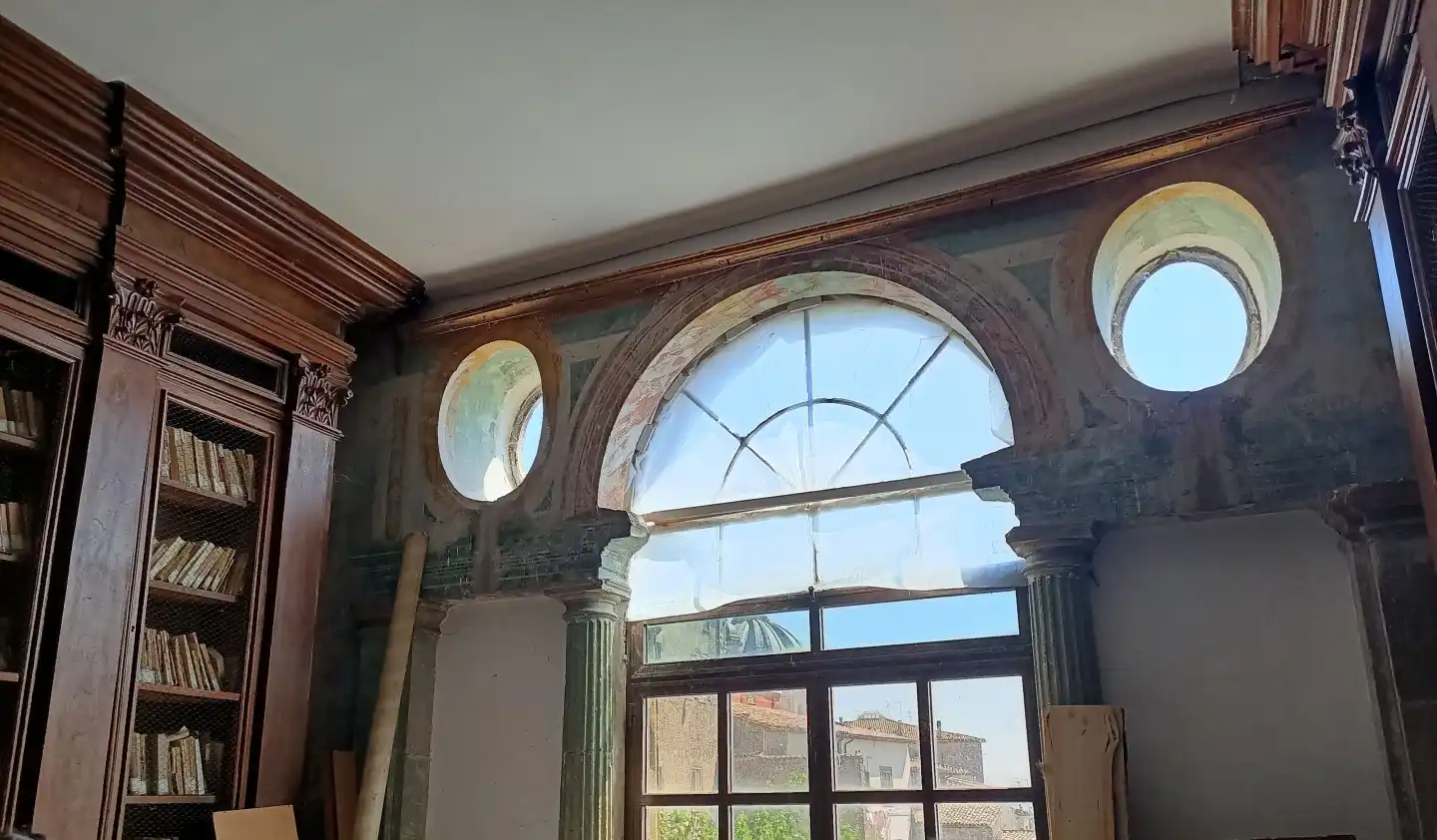
Erasmus+ Traineeship grant 2025 – National Art Library of the Victoria and Albert Museum
by Debora Sturzo, Master’s degree in Archival, Library and Cultural Heritage Studies, University of Turin
Share this article
Thanks to the mediation of the Consortium of European Research Libraries (CERL) and the support of the Erasmus+ Traineeship grant, I was able to carry out a three-month internship at the National Art Library of the Victoria and Albert Museum in London, from June to September 2025, under the supervision of Curator Catherine Yvard.
The National Art Library
The National Art Library has its origins in the Library of the Government School of Design established in 1837 to promote the study of art and design in Britain. In 1857, the library became an integral part of the South Kensington Museum (later renamed the Victoria and Albert Museum), and in 1865 it was entitled with its actual name, developing into one of the UK’s most important reference libraries for the fine and decorative arts.
Today, the NAL serves both as a public reference library and as the Museum’s curatorial department for the art and design of the book, housing outstanding collections of manuscripts, bindings, artists’ books, and early printed materials.
The traineeship
The purpose of my traineeship was to describe the collection’s incunabula, create comprehensive records for the Material Evidence in Incunabula (MEI) database, and capture photographic documentation of provenance marks for the Provenance Digital Archive (PDA).
The opening times of the library are three days per week, Tuesday to Thursday, from 10.00 am to 5.00 pm – 4.30 pm for special collections. Thanks to the availability and comparable enthusiasm of Catherine, I had the opportunity to have access to the collection also on Mondays.
I principally worked with the spreadsheet provided by the supervisor, but the Incunabula volume available in the reading room was also helpful, as it allowed me to locate the shelfmarks not noted in the spreadsheet.
I must admit that at first, I optimistically believed I would have been able to catalogue all the 178 editions listed in ISTC. However, this expectation, together with the observation that the shelfmarks suggested the incunabula did not originate from a single donor, led me to decide to work alphabetically by author.
First, it was necessary to check if the library was correctly listed in the editions in ISTC. This step was helpful not only because I could provide the ISTC numbers for those not yet in the spreadsheet and make corrections, but also because it revealed that the ISTC listings contained some inaccuracies and omissions. In fact, the institution was listed in the wrong editions, such as Aesopus, Vita, after Rinucius, et Fabulae, Lib. I-IV, prose version of Romulus [Latin]. [Basel : Jacobus Wolff, de Pforzheim, not after 1489] (ISTC no. ia00115000) and it was not listed in the edition of the Johannes Regiomontanus, Kalendarium. Venice, Bernhard Maler (Pictor), Erhard Ratdolt and Peter Löslein, 1476 (ISTC no: ir00093000).
The library also holds two known incunabula leaves, one from Boethius, De consolatione philosophiae [Lyon: Pierre Mareschal and Barnabé Chaussard, about 1498] (ISTC no. ib00803000), and one from Chaucer, The Canterbury Tales [Westminster: William Caxton, 1477] (ISTC no. ic00431000). The Boethius fragment has been reported to ISTC and, given the rarity of surviving copies of this edition, the National Art Library has been added among the institutions holding it. The Chaucer fragment, on the other hand, is not expected to be recorded, as several other copies of that edition are already known.
It is also worth noting that more cuttings taken from incunabula are held in the Prints and Drawings section and can be accessed in the Prints and Drawings study room by appointment. Although I did not have the opportunity to examine these, they would certainly merit further investigation.
The incunabula collection
Excluding the fragments, the collection comprises 190 items corresponding to 179 editions. For the items I examined, 19th-century librarians noted the acquisition date, sometimes together with an accession number, on the front pastedowns or flyleaves. This practice facilitated the research in the Library Receiving Room Diary (MA/34), which records all acquisitions up to 1945, allowing for a more detailed analysis of how the books entered the library. In fact, the diaries reveal that most of the items were purchased from booksellers, mainly London-based ones but also from abroad.
For instance, the Vita S. Augustini printed by Georgius Herolt (ISTC no. ic00881000) was bought from A. Claudin, a Parisian bookseller (as well as bibliophile, author, and publisher), while the Aesopus printed by Anton Sorg (ISTC no. ia00120000) came from G. Hess & Co., a German bookseller recorded in the diary at the address “Arcostrasse [Arcostraße] 1, Munich.”
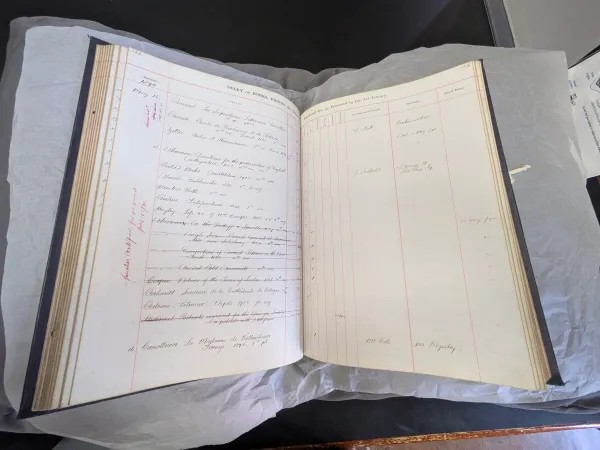
Library Receiving Room IX, 16 May 1870 (MA/34/9)
Two copies were also acquired directly from the Olschki library, and W. H. J. Weale (keeper of the library between 1890 to 1897) sold several books from his own collection to the library. In addition to the numerous acquisitions recorded in the Library Receiving Room Diary, the collection also includes a smaller number of items that entered the NAL through donation.
During my work, I found only one incunable explicitly registered as a donation in the diaries; however, since I was able to examine only about half of the collection, it is possible that additional donated items appear among the volumes I did not consult. Moreover, several incunabula can be connected to major bequests preserved at the NAL, such as those of Alexander Dyce, writer and scholar who bequeathed his library and art collection to the Museum in 1869, and Henry John Beresford Clements, who collected a fine collection of armorial bookbinding and donated it in 1940.
Beyond reconstructing how these books entered the library, the incunabula themselves offer an equally valuable opportunity to understand their histories through their material features. Bindings, ownership marks, annotations, and signs of use make provenance and readership visually tangible, revealing layers of interaction that no acquisition record can fully capture.
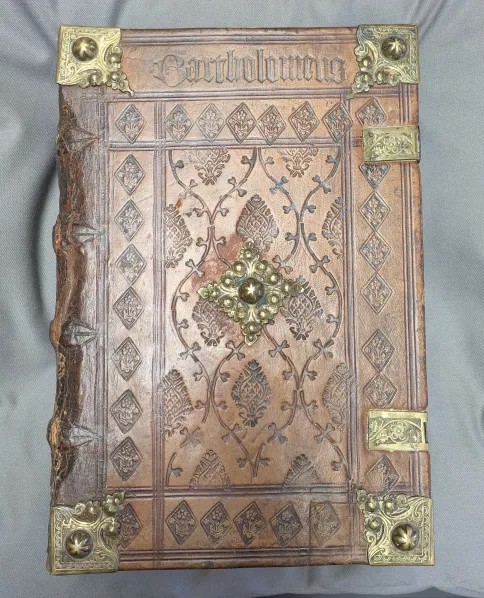
Binding, upper board. Bartholomaeus Anglicus, De proprietatibus rerum. Nuremberg: Anton Koberger, 30 May 1483
I did not have direct access to the special collections shelves; each item had to be requested through the reading room. This meant that every time the cupboard – where the incunabula are stored once requested – was opened, I was offered a first, immediate glimpse into the material diversity of the collection.
What would emerge once the door swung open? Sometimes it was a simple yet functional parchment binding; on other occasions, a volume in plain, coarse pasteboard, or even a copy that had never received a permanent binding and still survives in its original wrapper.
Or it might be a German binding, some of which retain a slight sheen to the leather and have blind-stamped decorations that remain clearly defined, for example the Bartholomaeus Anglicus, De proprietatibus rerum (Nuremberg: Anton Koberger, 30 May 1483, ISTC ib00137000), whose binding still preserves all the metal furniture and a surviving catch and clasp.

Left: Buxheim Charterhouse dedication – Right: Hilprand’s bookplate
Looking inside a book does not only reveal the text printed on its pages, but also the people who encountered that specific copy, individuals who might otherwise remain figures hidden in the folds of history. In the copy mentioned above, for example, I encountered the bookplate of Hilprand Brandenburg of Biberach (1442–1514), and it was while searching for more information that I realised I was looking at one of the earliest known printed bookplates, a hand-coloured woodcut bearing Hilprand’s coat of arms, printed on small scraps of paper and date circa 1480, pasted into the books that he donated to the library of the Charterhouse of Buxheim. [1]
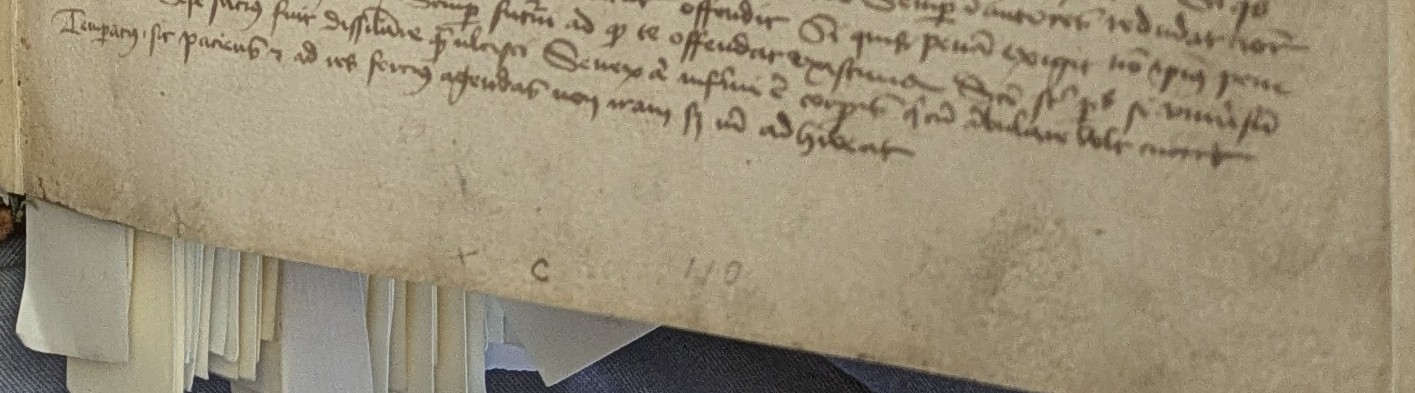
Mr Inglis’s ownership mark, f. a1r. Albertus de Eyb, Margarita poetica. [Nuremberg] : Johann Sensenschmidt, 2 Dec. 1472
The Albertus de Eyb, Margarita poetica, printed by Johann Sensenschmidt in 1472 (ISTC no. ie00170000) offered an equally instructive case. By chance, during my traineeship Mr Christian Algar of the British Library requested consultation of the very same copy for his research on the now-dispersed collection of John Bellingham Inglis, to determine whether it matched the copy sold in 1871. Indeed, the library’s copy bears the mark “C 110”, confirming that it once formed part of that collection. Without prior knowledge of Inglis’s habits as a collector, such a code would remain obscure (in fact, I initially attributed these marks to a bookseller). This experience demonstrates how crucial provenance research is for interpreting the traces left in historical books. It is also worth mentioning the binding, as the name of the binder, Conradus de Argentina, active in Erfurt between 1467 and 1475, [2] appears stamped on the front board near the fore-edge.
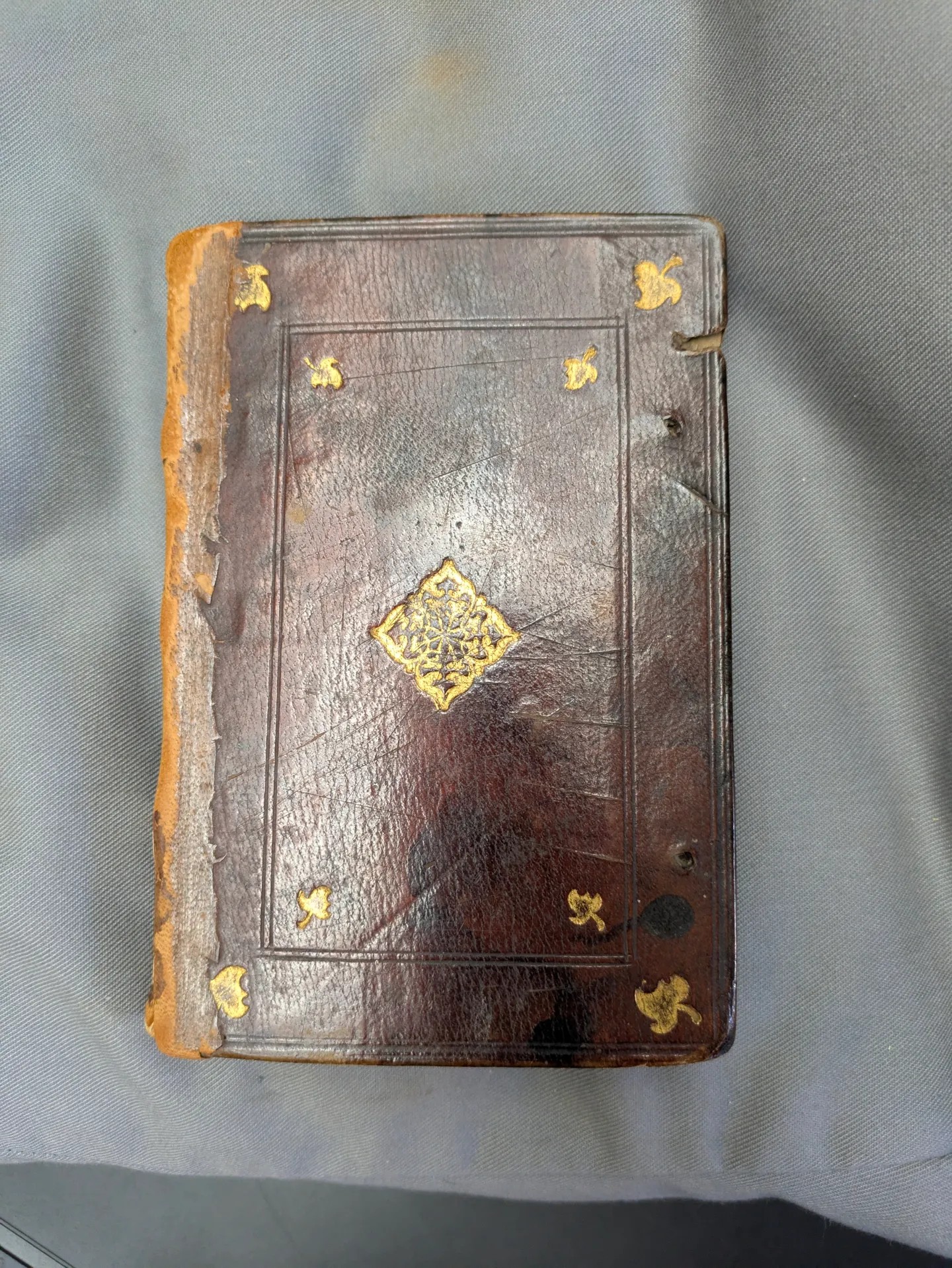
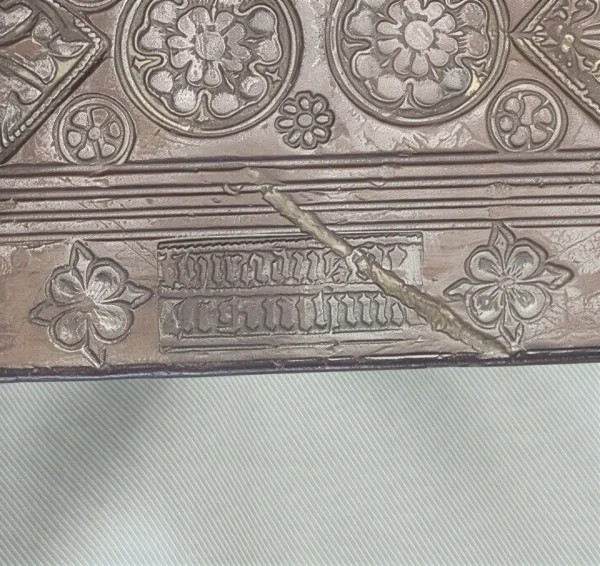
Albertus de Eyb, Margarita poetica. [Nuremberg]: Johann Sensenschmidt, 2 Dec. 1472. Upper board (left) and detail (above)
Other volumes revealed their histories through decorative or heraldic elements. Particularly stunning are the initial decorations in the copy of Augustine’s De civitate Dei (ISTC no. ia01233000), realised in gold leaf, enriched with bianchi girari and polychrome backgrounds. On the lower margin of the first leaf appears a heraldic shield flanked on both sides by two putti and accompanied by the initials “Io” and “Fr”, which allowed the identification of the owner as Giovanni Francesco Zusto, a member of a Venetian noble family. These marks of possession and ornamentation contribute significantly to the understanding of the cultural context in which these books were read and valued.
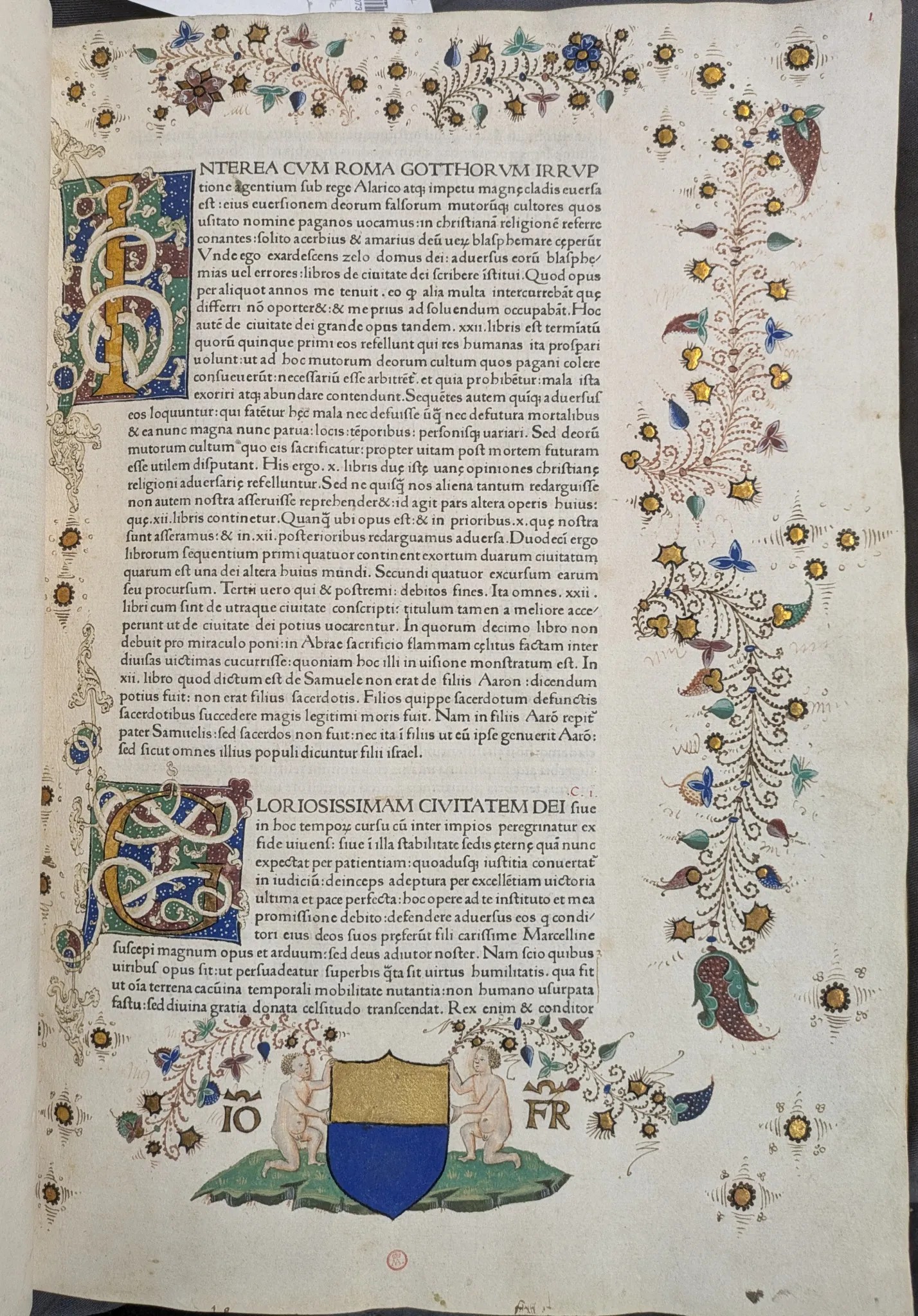

Aurelius Augustinus, De civitate dei. Venice : Johannes and Vindelinus de Spira, 1470. Folio c1r and e10v
Decoration, whether modest or rich, played an equally important role in other items. Among the most visually impressive is a copy of a Bible in German printed by Anton Koberger in Nuremberg in 1483 (ISTC no. ib00632000), whose woodcuts have been entirely hand coloured. The bright palette transforms the book into a genuinely striking object, exemplifying the National Art Library’s longstanding interest in works of artistic merit.
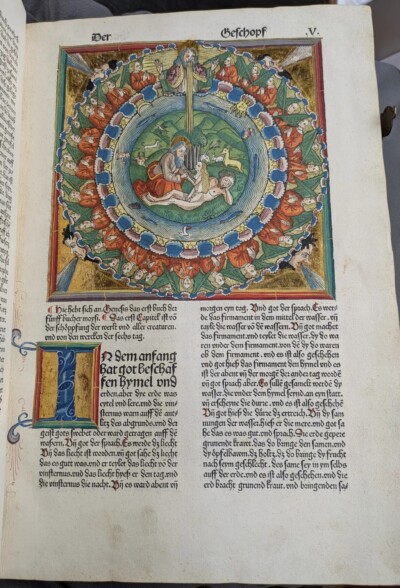
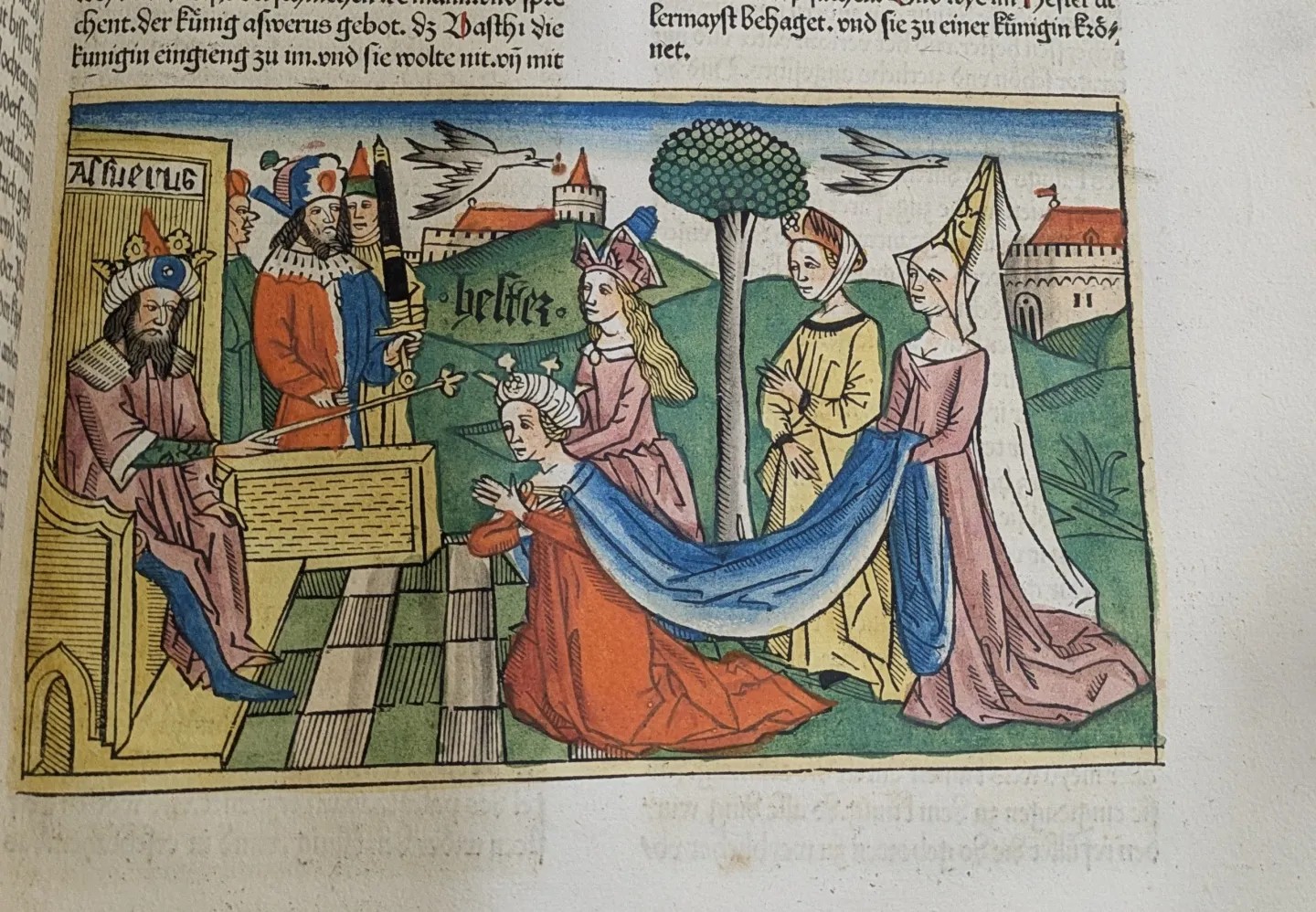
Biblia [German]. Nuremberg : Anton Koberger, 17 Feb. 1483
Beyond formal decoration, some volumes preserve more intimate traces of readership. In a copy of the Liber bibliae moralis of Petrus Berchorius printed by Johann Zainer in 1474 (ISTC ib00336000), for instance, I found no annotations or ownership marks; yet, halfway through the book, on a blank leaf, a small doodle appears: a tiny figure peeking over the edge of the page. Next to it are the letters “A. G.”, insufficient to identify the hand, but enough to suggest a moment of playful interaction. This little drawing made me smile, reminding me that the early readers were people like us, perhaps more similar to modern readers than we sometimes imagine.
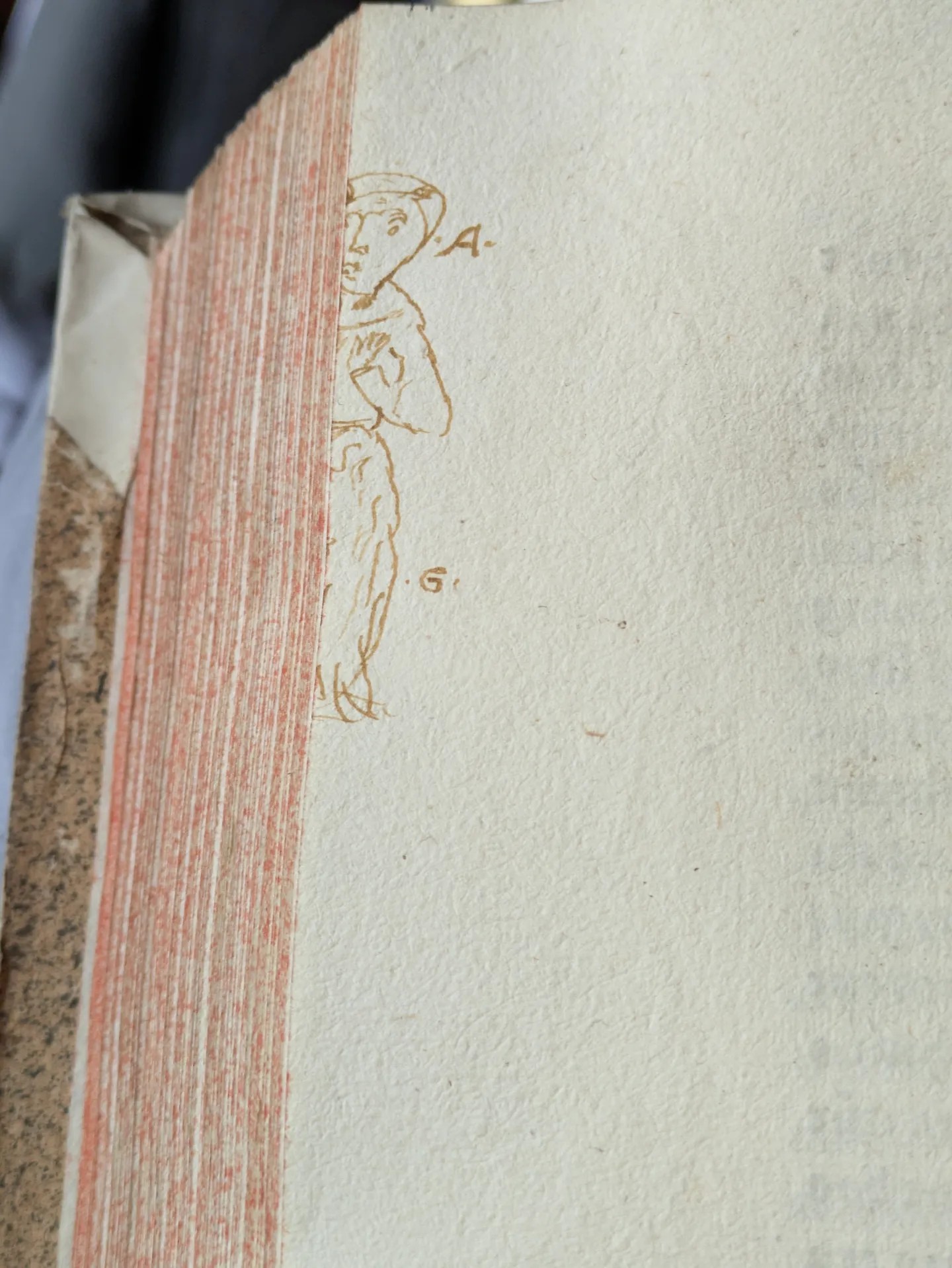
Berchorius, Liber Bibliae Moralis. Ulm : Johann Zainer, 9 Apr. 1474. Folio s10v.
Finally, I cannot conclude without mentioning the two unica preserved in the collection. The first is a copy of the Horae ad usum Cenomanensem (Paris: [Philippe Pigouchet] for Simon Vostre, 22 Feb. 1492), an imperfect book of hour lacking five leaves (a1-3, a8, b1). Its text is framed by woodcuts, it is decorated with alternating red and blue initials, and it is preserved in a sixteenth-century binding with gilt decoration.

Upper board and flyleaf verso with f. a4r. Horae: ad usum Cenomanensem (Le Mans) [French and Latin]. Paris: [Philippe Pigouchet] for Simon Vostre, 22 Feb. 1492
The second unicum is a Psalter printed in n Augsburg by Johann Schönsperge,about 1495. This copy is printed on vellum and contains eight leaves with full borders of acanthus leaves, coloured flowers, and gilt dots. The borders include diapered ornamental letters set within polychrome frames with gilt or silver grounds; only the incipit leaf has an inhabited initial.
The binding is particularly interesting, consisting of a copper rose fabric which, as noted by Silvija Banić, V&A’s Curator of Textiles, is an uncut voided velvet dating probably from the seventeenth century and originally intended as a furnishing fabric.

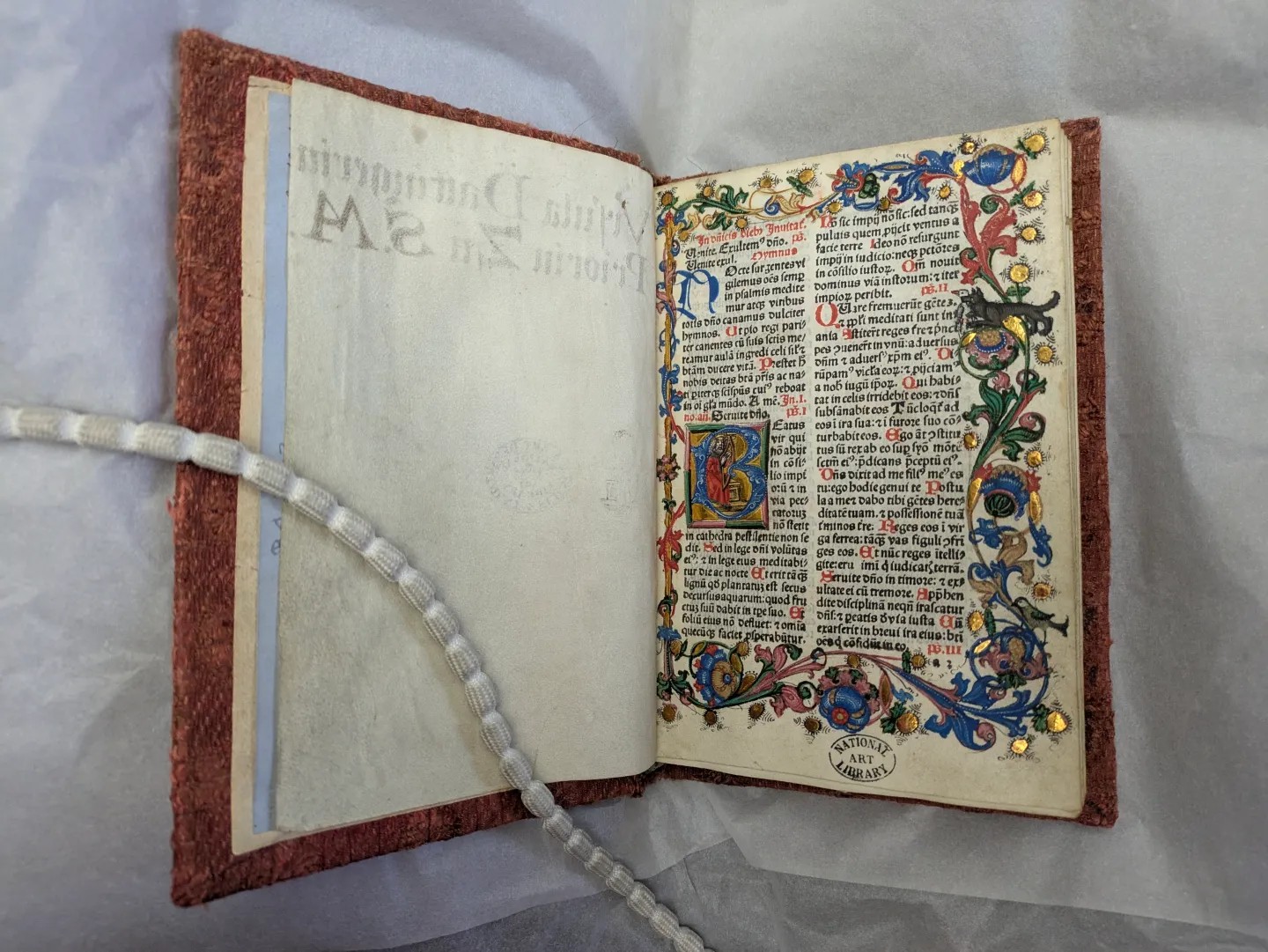
Incipit leaf. Psalterium [Augsburg : Johann Schönsperger, about 1495]
In addition to the cataloguing work, I had the opportunity to present this project during a Monday Talk, free weekly sessions in which a member of the Library or Archive staff presents an item from the collections, offering the chance to view rare books and archival material in person. This experience allowed me to discuss the importance of provenance research and of studying books as material evidence not only with specialists but also with a broader and more varied audience of visitors and library users. It also gave me the opportunity to show a selection of items that effectively illustrate what it means to approach books as material evidence.


In conclusion, although I could not work through the entire incunabula collection, this traineeship has been an exceptionally formative experience. It strengthened my skills in provenance research and cataloguing, and deepened my interest in the study of early printed books and their material history. I am sincerely grateful to Cristina Dondi and CERL for making this opportunity possible, and to the National Art Library and Catherine Yvard for their guidance and support throughout the project.
I also owe special thanks to Professor Maria Alessandra Panzanelli Fratoni, whose teaching first introduced me to the world of rare books and special collections and who encouraged me to undertake this Erasmus traineeship.
Bibliography
- “Hilprand Brandenburg of Biberach (1442–1514)”, Buxheim Charterhouse Library History, https://buxheimlibrary.org/library-history/hilprand-brandenburg/
- Conradus de Argentina (ID 500304w), Einbanddatenbank, https://www.hist-einband.de/werkstattdetails.html?entityID=w000851
Related articles
November 9, 2026
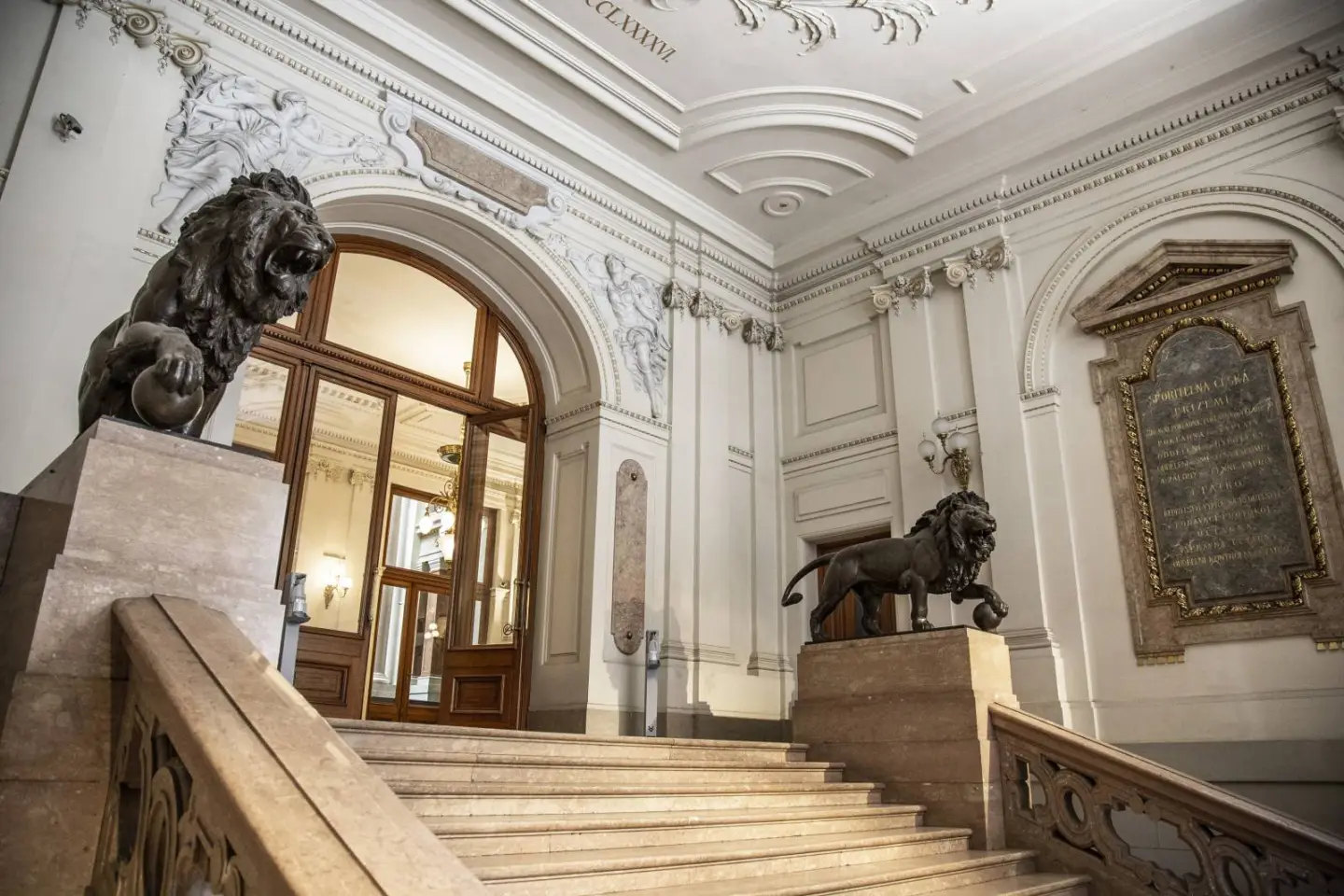
by Markéta Kučerová and Vojtěch Šícha, Library of the Czech Academy of Sciences
November 9, 2026