CERL Internhsips 2022 – Arenberg Collection, Koninklijke Bibliotheek van België, Brussels
by Antonia Delle Fratte
Share this article
As a newcomer of the MEI Editors team, I had to study and learn a new method of cataloguing, in order to contribute to this grand project. It has been a pleasure to start this new and fascinating journey with such an amazing collection, such as the one of the Koninklijke Bibliotheek van België, in Brussels. Coming from the Medieval manusctipts and illumination studies it has been an intense and fulfilling experience, especially with the encounter of decorated specimens such as Dante’s Commedia (FS IX 11 C RP) (fig. 1, left), the Dutch Book of Hours (INC A 2188) with its rich and detailed decorations (fig. 2), and Dirck van Munster’s Den Kerstenen Spieghel (INC A 2159) enriched with woodcuts painted with colours (fig. 3).
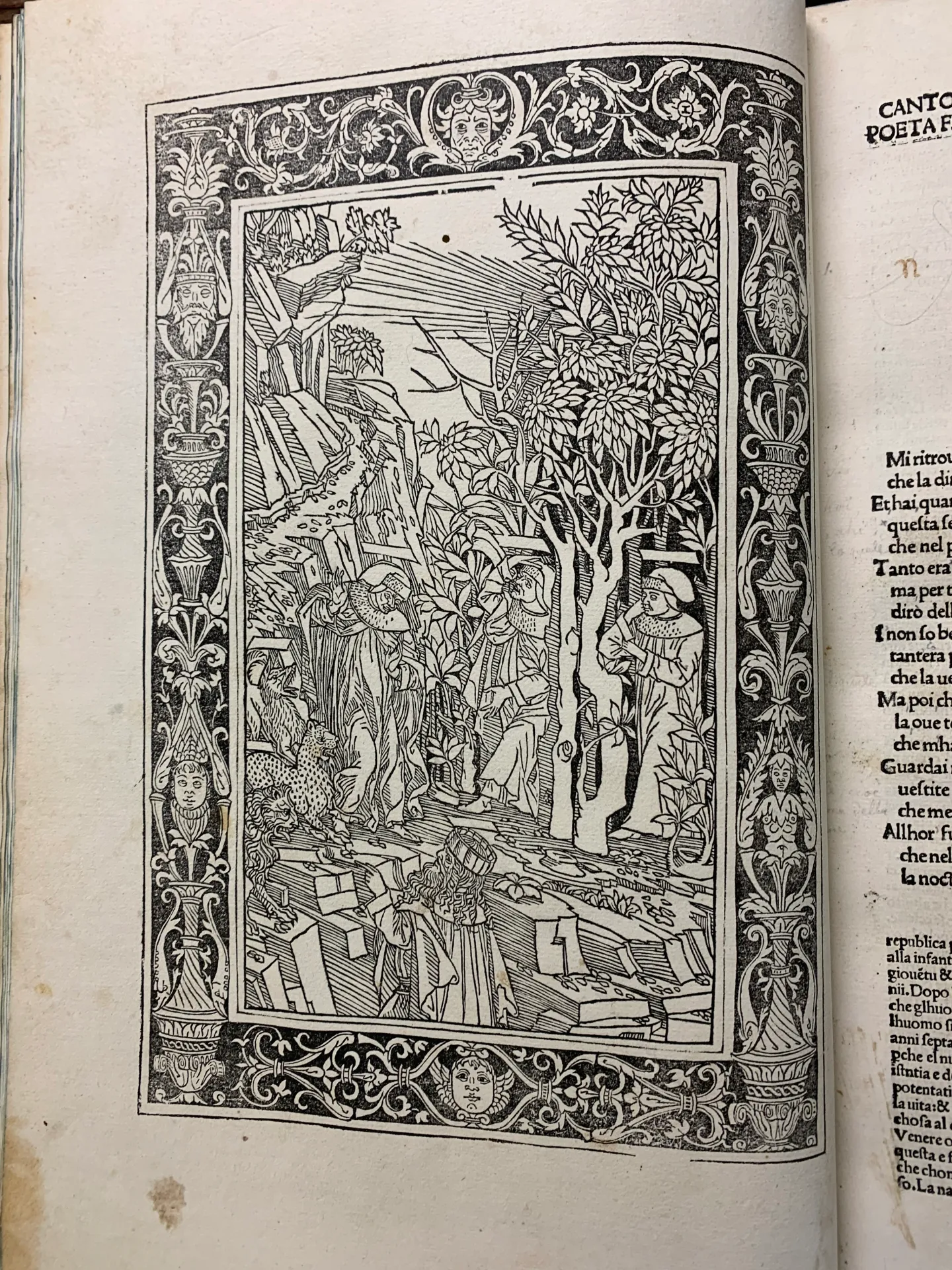
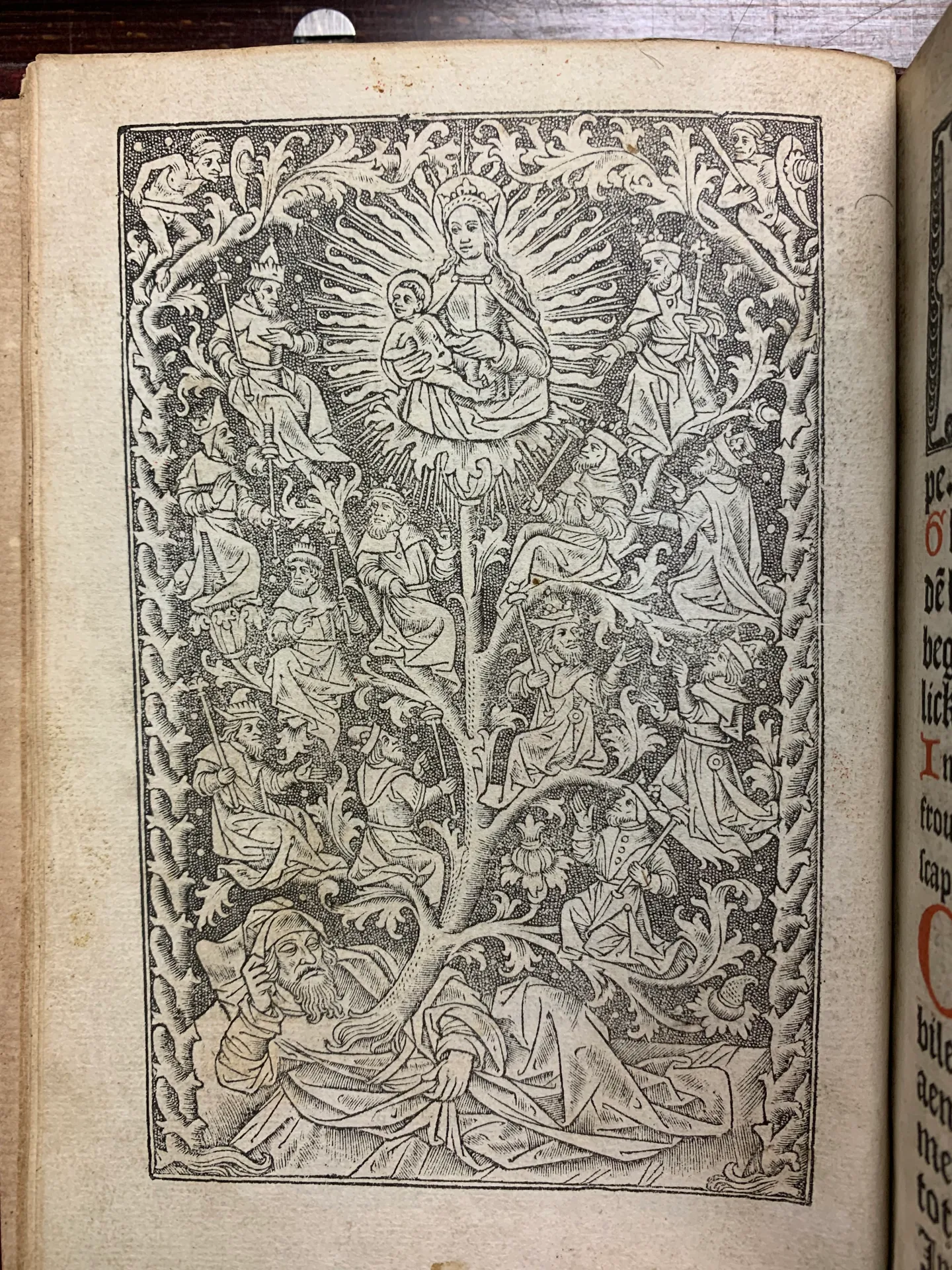

Fig. 1-3. From left to right: Dante’s Commedia (FS IX 11 C RP), Book of Hours (INC A 2188)
and Dirck van Munster’s Den Kerstenen Spieghel (INC A 2159)
In particular, for my internship I’ve been engaged with a specific collection owned by the library that once belonged to the Belgian aristocratic Arenberg family. Thanks to the research of Pierre Delsaerdt and Elly Cockx-Indestege, who published in 2022 their masterful work Le goût de la bibliophilie nationale, La collection de libres rares et précieux des ducs d’Arenberg à Bruxelles, XIXe-XXe siècles, I have been able to start working on the history of the collection, and to get a first glance at the material before going to Brussels to work on the incunables of which I would have later created the records for MEI.
First, I had to trace the Arenbergs’ incunables that nowadays are preserved at the Koninklijke Bibliotheek van België. The specimens I have been working first hand with were eleven; the rest of the vast incunable collection owned by the Arnberg family is scattered all over the place, and often even dispersed. Then, once I identified those preserved in Brussels I started working on each single record. Some of the specimens I had the pleasure to work on, required the creation of a new record in “Owners of Incunabula”, such as the one of Madame de Solvay (fig. 4, below left), belgian bibliophile from the 20th century, and previous owner of one of the most decorated incunabula of those I have catalogued (La Commedia, Dante Alighieri, FS IX 11 C RP). Her ownership was characterised by her elegant ex-libris on the guard-leaf (fig. 5, below right).
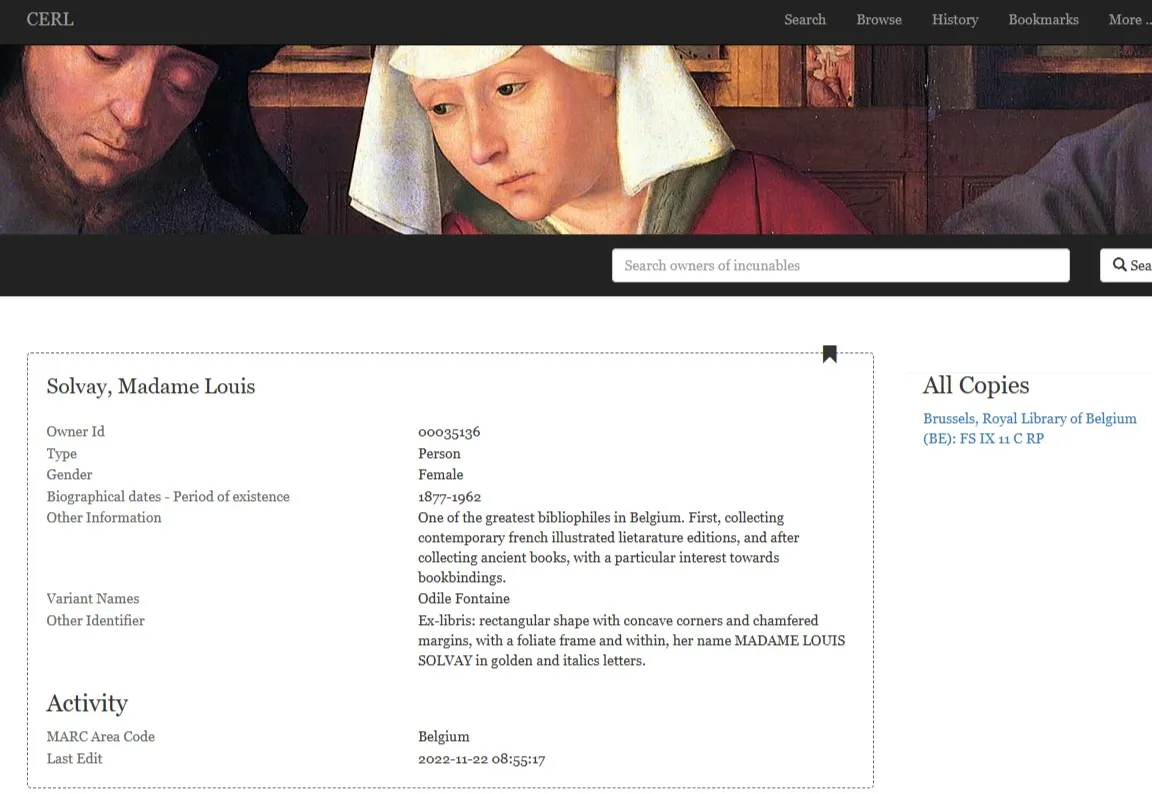
Fig. 4
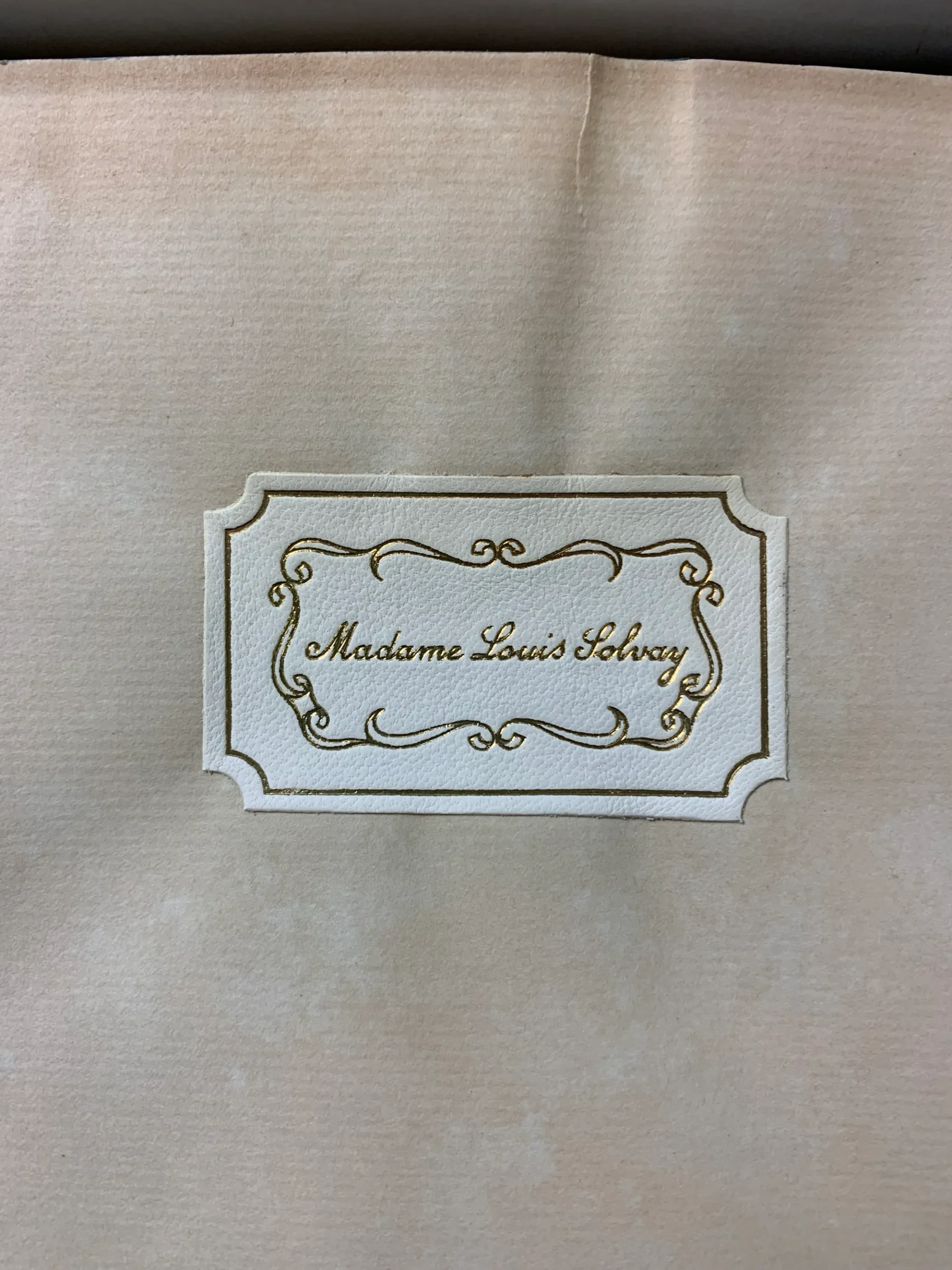
Fig. 5
Regarding the Arenbergs’ ownership of the eleven specimens that I have analyzed, only some of them displayed the family coat of arms on the binding, like the INC B 1650 (Casus summarii Decretalium Sexti et Clementinarum) (fig. 6, below left) and the INC C 402 RP (Historiae Romanae decades) (fig. 7, below right). In other instances, though, the research of Cockx-Indestege and Delseardt on the Collection spéciale and its 19th century catalogue has been used as a primary source for the filling work of the MEI records.
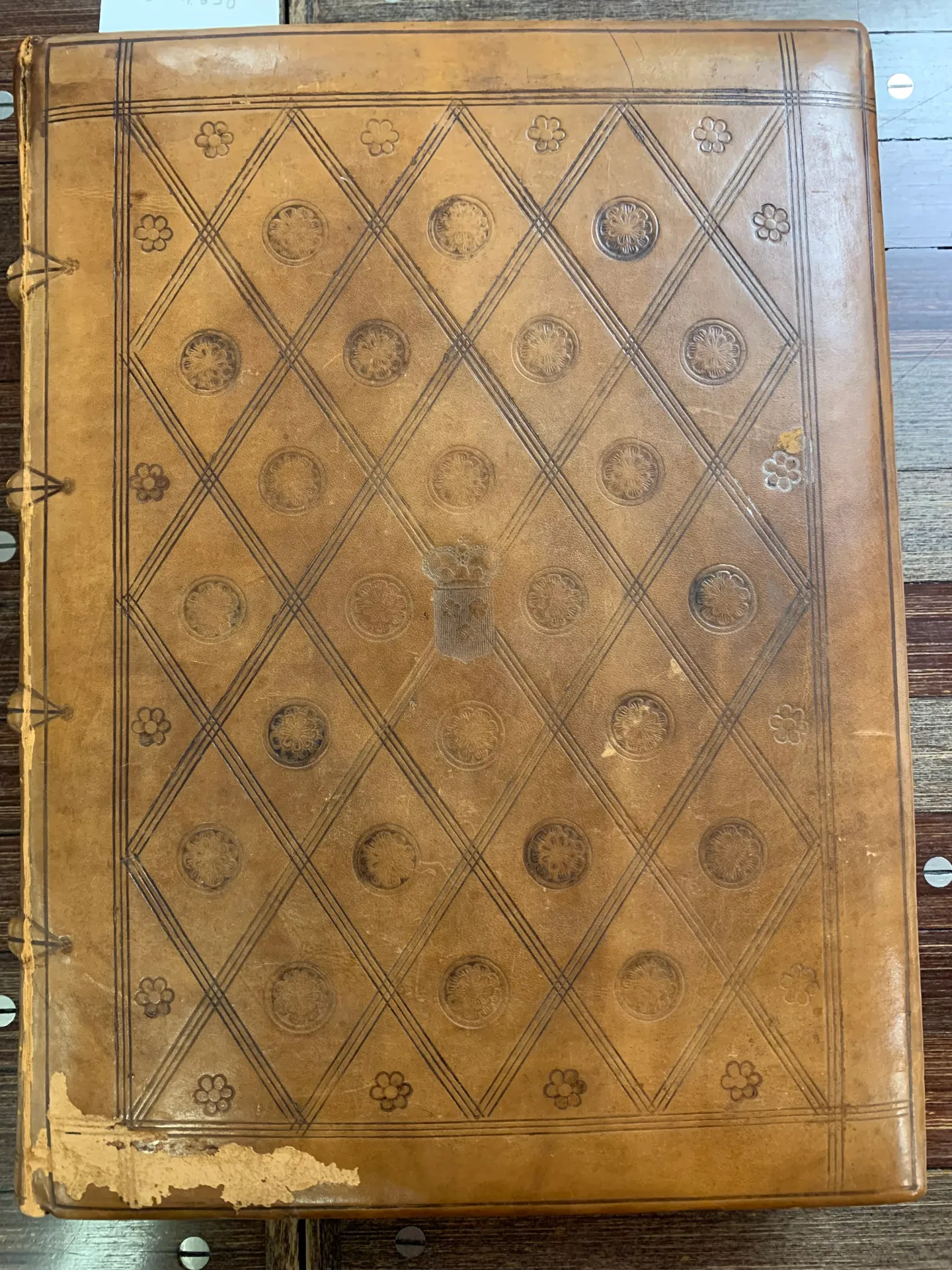
Fig. 6
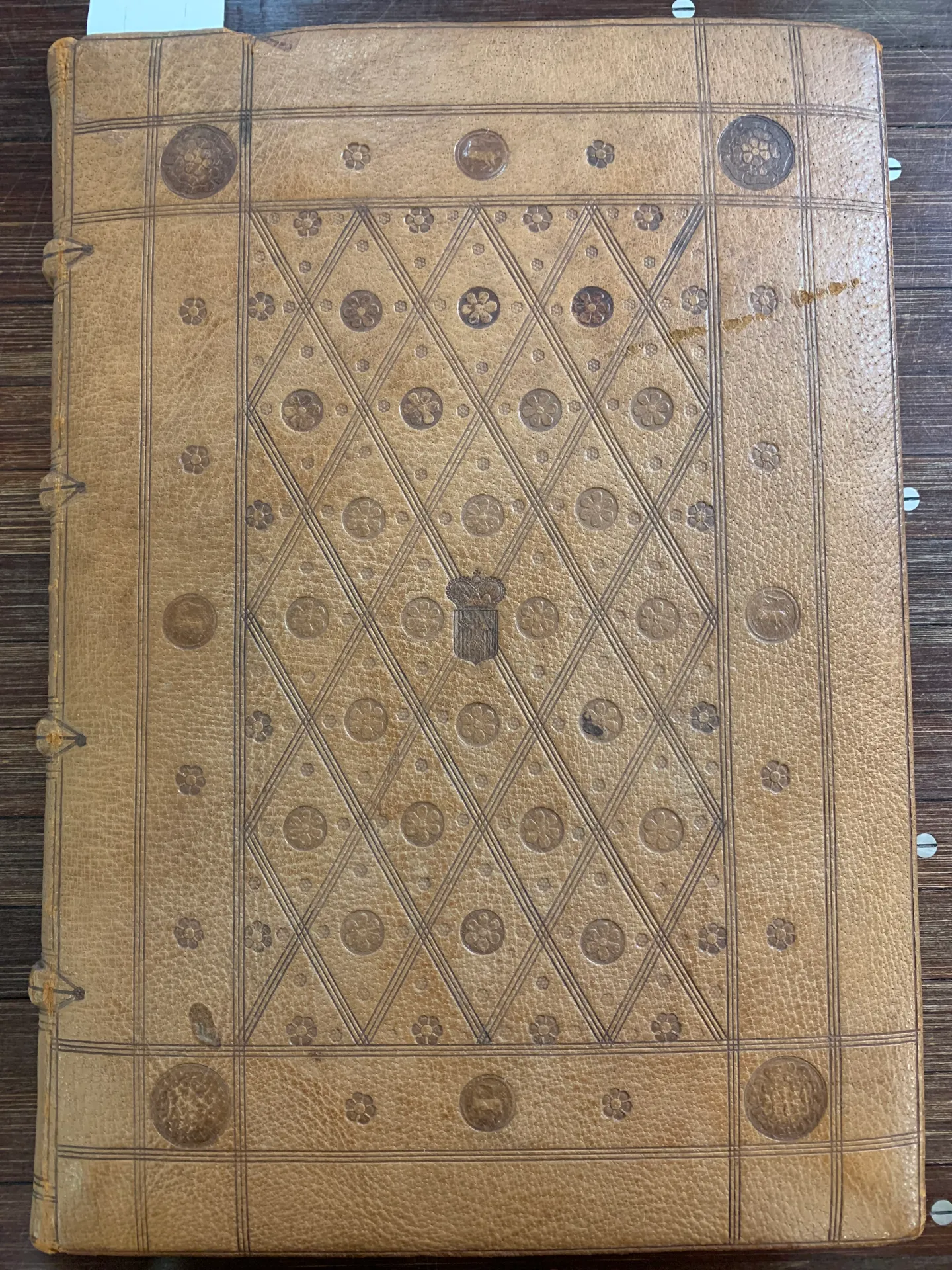
Fig. 7
This whole experience gave me the opportunity not only to study the Arenberg collection in its integrity through the bibliographical research, but also to get to know the institution of the Koninklijke Bibliotheek van België and the manuscripts and rare books edition they so diligently preserve. It would be a pleasure to keep working with them, knowing about the amount of material that still deserve to be studied, analyzed and catalogued.
Related articles
November 9, 2026
by Markéta Kučerová and Vojtěch Šícha, Library of the Czech Academy of Sciences
November 9, 2026