Ediciones Ampersand and its library: an insight into the core of our Collections
by Tomás de Brito, Ampersand
Share this article
In June 2025, Ediciones Ampersand became the first special member from South America to join the CERL community. We seize this opportunity to introduce ourselves through this blog entry by delving into the heart of our library: its founding collections.
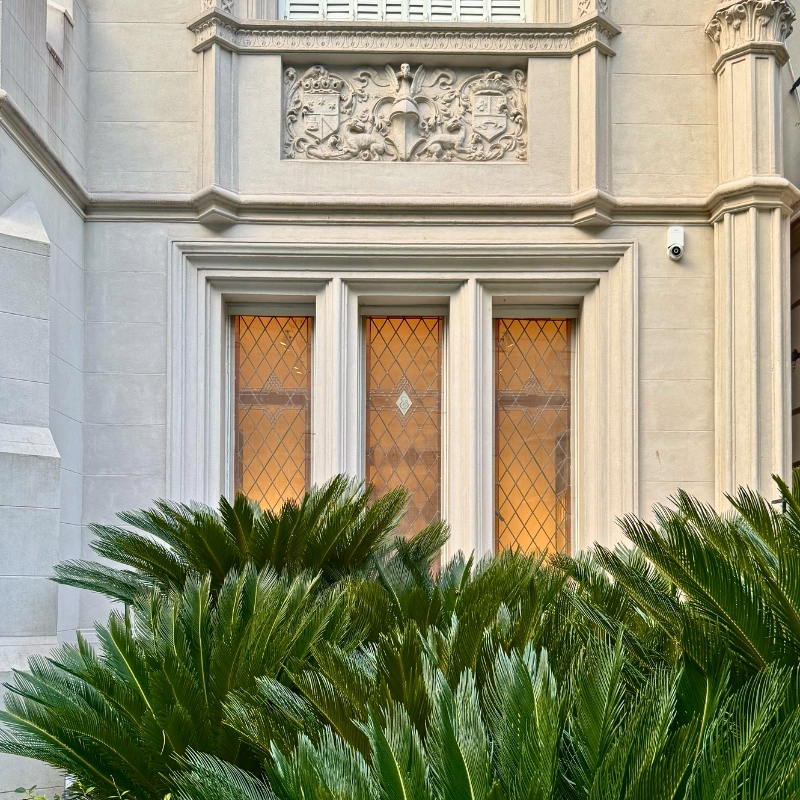
Fig. 1 Main window of the library. © photo, Pablo Cosgaya
Before we discuss these matters, it is important to highlight our publishing activities, since the library is inseparable from them. We are a publishing house based in Buenos Aires, Argentina. Our editorial collection, Scripta Manent, reflects our dedication to the social history of written culture, which is one of the main themes of our catalogue. Scripta Manent features works on the cultural context of book production and circulation, with contributions from renowned scholars such as Roger Chartier, Frédéric Barbier, and Martyn Lyons.
Since Ediciones Ampersand was founded in 2012, its founder and director, Ana Mosqueda, has conceived an open-access library specialising in the topics explored by Scripta Manent. At that time, most classic and fundamental works related to book history were not easily accessible in the Río de la Plata region. Motivated by this situation, Mosqueda established the library in 2015, integrating it into Ediciones Ampersand as an intellectual and cultural extension of the publishing house. She selected 500 volumes from her personal collection to found the Biblioteca Ampersand at the publishing house’s headquarters.
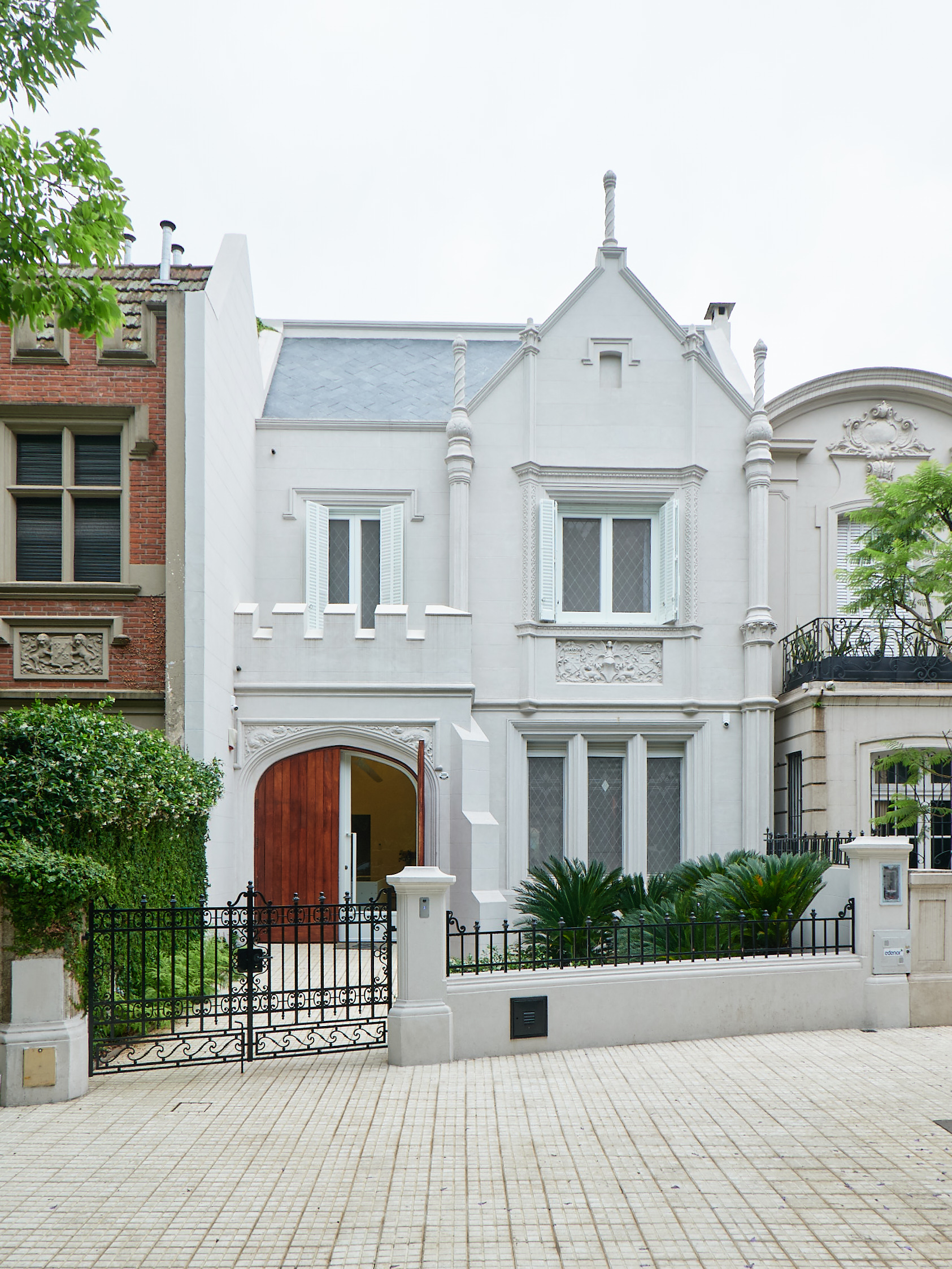
Fig. 2 Main window of the library. © photo, Pablo Cosgaya
Mosqueda imagined a space where scholars, students and curious readers could freely access key works in these fields. She considers the library space to be a channel for cooperation and interaction with the local research community. It also enables readers to share their interest in the history of written culture.
Alongside a selection of contemporary classics outlining the formal study of written culture — books by Cavallo, Chartier, Darnton, Pearson, Petrucci, and many more — this initial collection also included unusual and rare local works on the history of printing in Latin America.
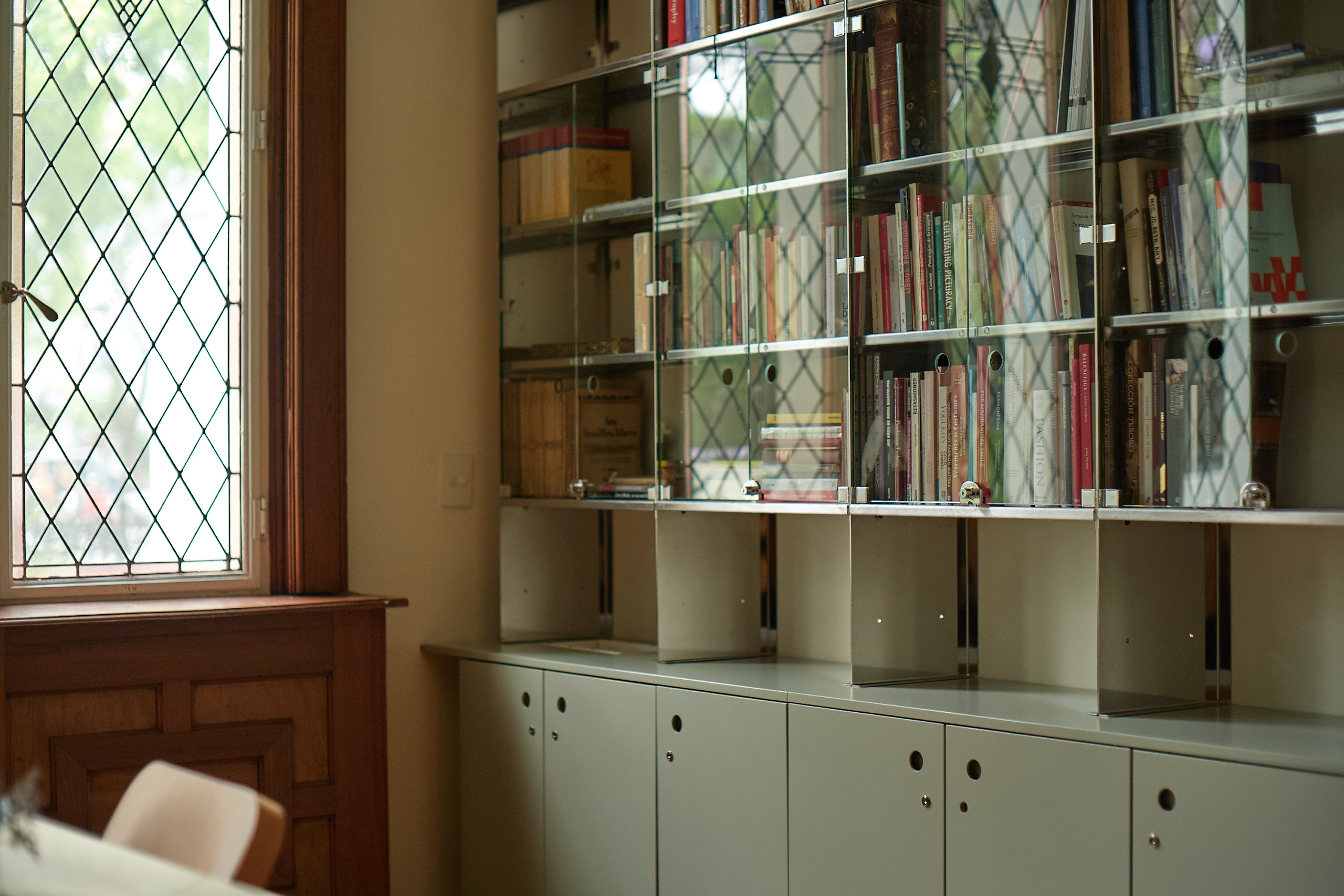
Fig. 3 Bookshelves of the Colección Mosqueda. © photo, Félix Niikado
Notable examples include José Toribio Medina’s Historia y bibliografía de la imprenta en el antiguo virreinato del Río de la Plata, a large-format, richly illustrated volume. This work captures the early stages of publishing in the region by compiling and commenting on a vast number of editions from the colonial era. Published by the Museo de La Plata in 1892, it appeared eight years after the museum’s foundation. The material scale and sophistication of this edition reflect the Museo de La Plata’s intellectual ambitions in its foundational context.
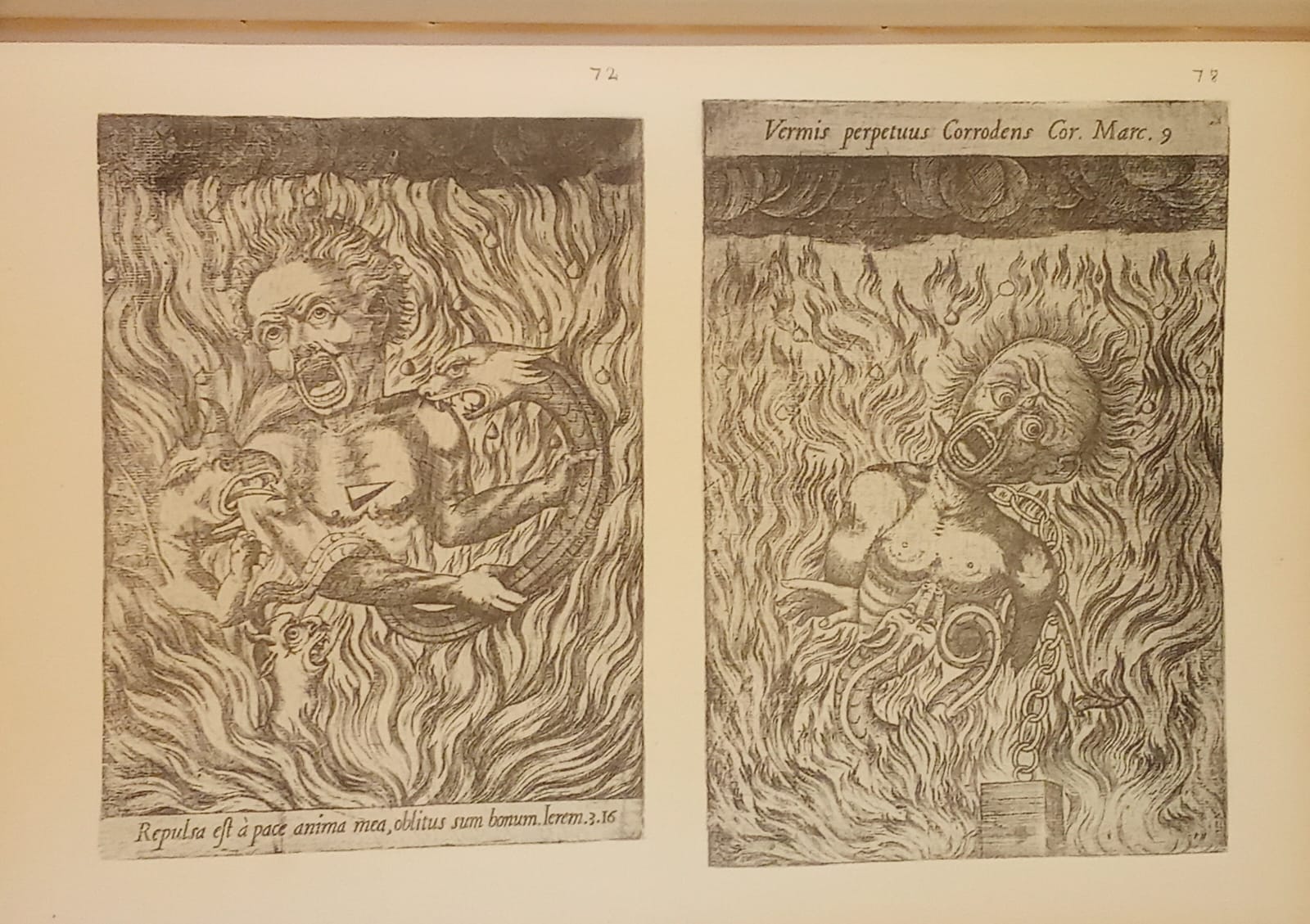
Fig. 4 Among the various facsimiles featured in Historia y bibliografía de la imprenta en el antiguo virreinato del Río de la Plata (Medina, 1892) are reproductions of engravings from De la diferencia entre lo temporal y lo eterno (1705), originally printed in the Jesuit reductions.
The presence of periodicals related to the crafts and arts of the graphic industry is also notable. For example, Mosqueda included La Noografía, which was published from 1899 to 1901 and is considered the first periodical in Argentina to be exclusively dedicated to these crafts. Another noteworthy periodical is Éxito Gráfico, which first appeared in 1905 and is celebrated and studied for its exceptional typographic and aesthetic quality.
The Colección Mosqueda contains a wealth of local bibliographic information, including catalogues from antique bookshops in Buenos Aires such as Librería L’Amateur, Librería Rivadavia and Librería Cervantes. These are complemented by exhibition catalogues such as Catálogo de la exposición del libro, directed by Teodoro Becú (1940), which provides valuable bibliographical descriptions of incunabula and early printed books owned by local collectors at the time. These catalogues reflect the circulation, availability and provenance of rare and antique books in Buenos Aires.
Furthermore, the Biblioteca Ampersand holds more than one collection. Two distinct founding collections should be acknowledged in the library’s formal development and structure. In early 2016, the library significantly expanded its number of books by acquiring 600 volumes at an auction led by the antiquarian bookshop Aquilanti & Fernández Blanco.
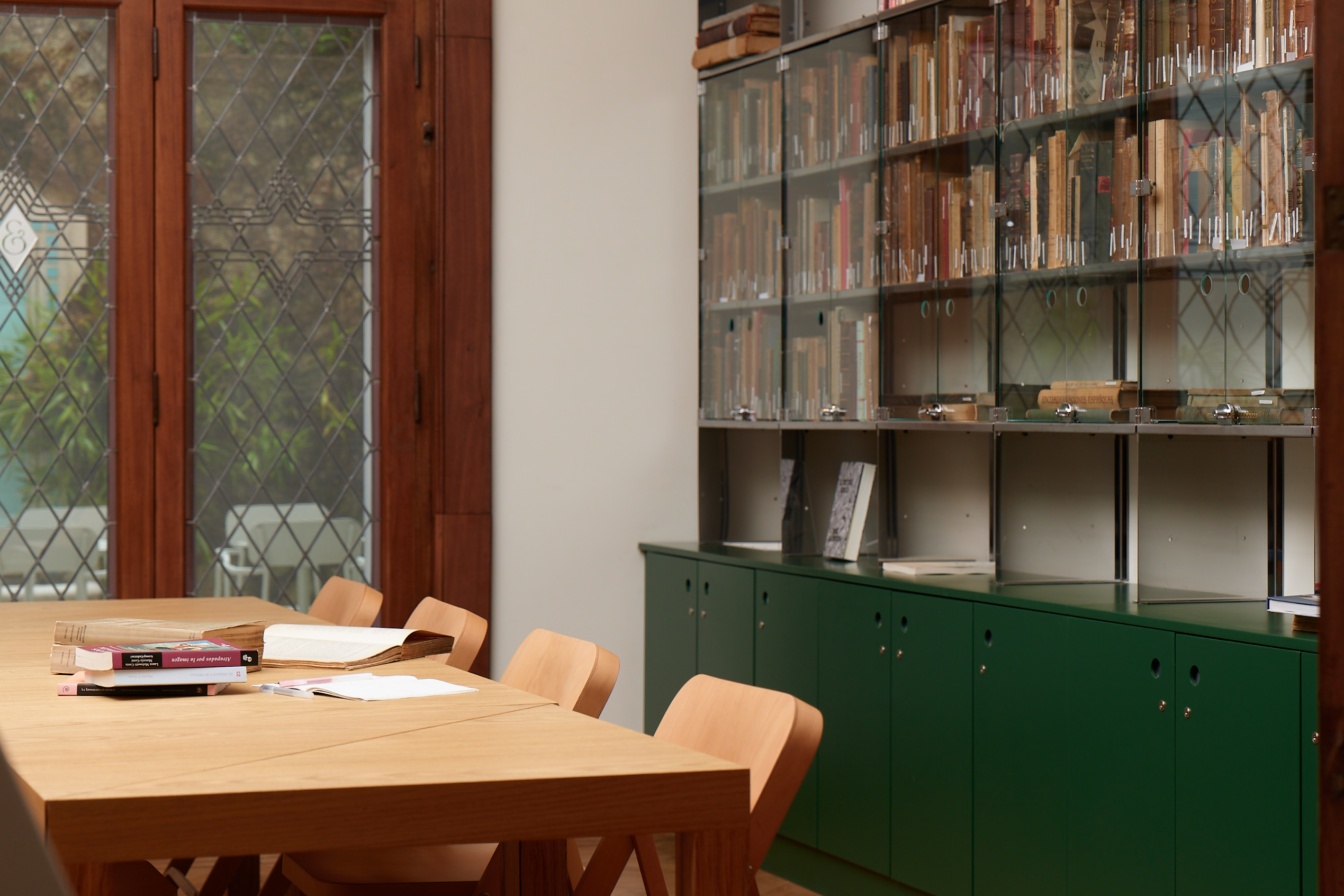
Fig. 5 Reading room holding the Colección Fernández Blanco. © photo, Félix Niikado
These books originated from the personal library of the renowned local bookseller Gerardo Fernández Blanco (1917–1997), who established the aforementioned bookshop in 1939. This purchase was the library’s most substantial and important acquisition to date and features works on bibliophiliana, graphic arts, type specimen books, and practical manuals on book-related trades.
The Colección Fernández Blanco illustrates the bookseller’s interests and the reference works he used throughout his career. Browsing these shelves may reveal the bibliophilic and commercial influences that shaped his approach to bookselling and collecting.
Unsurprisingly, the personal library of a bookseller like Fernández Blanco contains a copy of the Stephanorum Historia, a bio-bibliography of the Estienne family written by Michael Maittaire and published in 1709 by the prestigious bookseller Christopher Bateman.
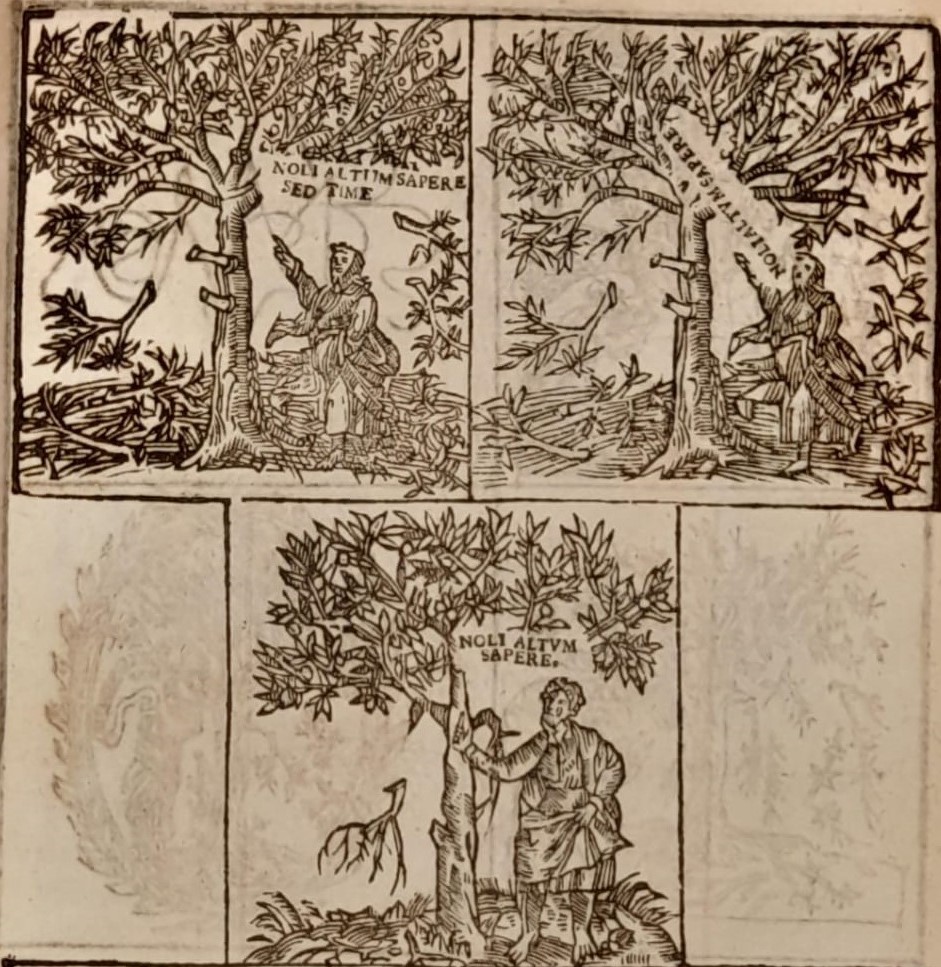
Fig. 6 Xylographs of various Estienne marks are reproduced in Stephanorum Historia (Maittaire, 1709).
Other notable highlights from the collection include Modèles des caractères de l’imprimerie by Simon-Pierre Fournier le Jeune, printed in 1745, and Épreuves générales des caractères by Claude Lamesle from 1742. These typographical specimens exemplify the skill and artistic preferences that defined French typography during the mid-18th century.
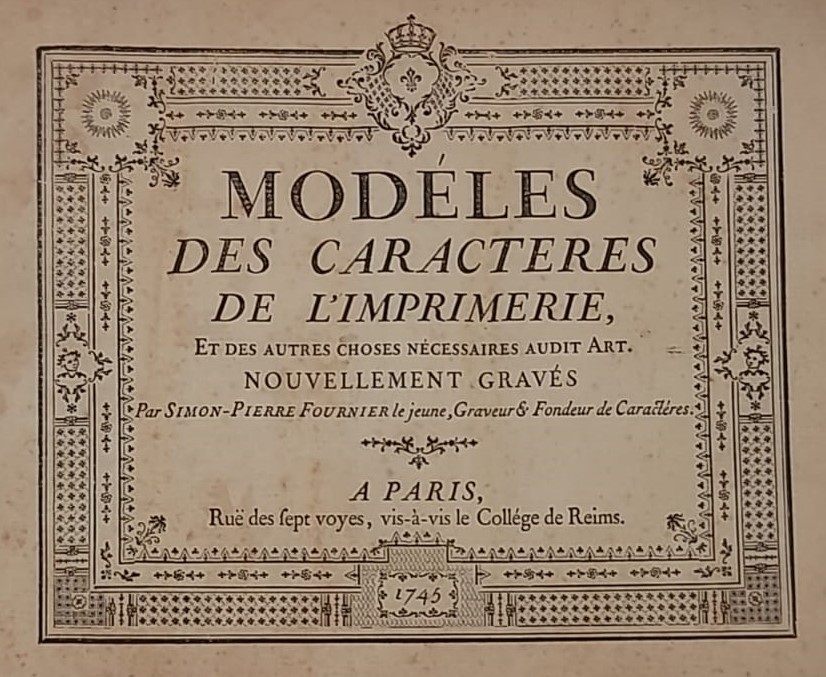
Fig. 7 Modèles des caractères de l’imprimerie (Fournier, 1745).
The evident bibliophilic tendency among these titles is exemplified by the inclusion of several fine and artistic editions of Octave Uzanne’s works. His copy of La reliure moderne (Uzanne, 1887) features a distinctive artistic binding depicting a binder in his workshop.
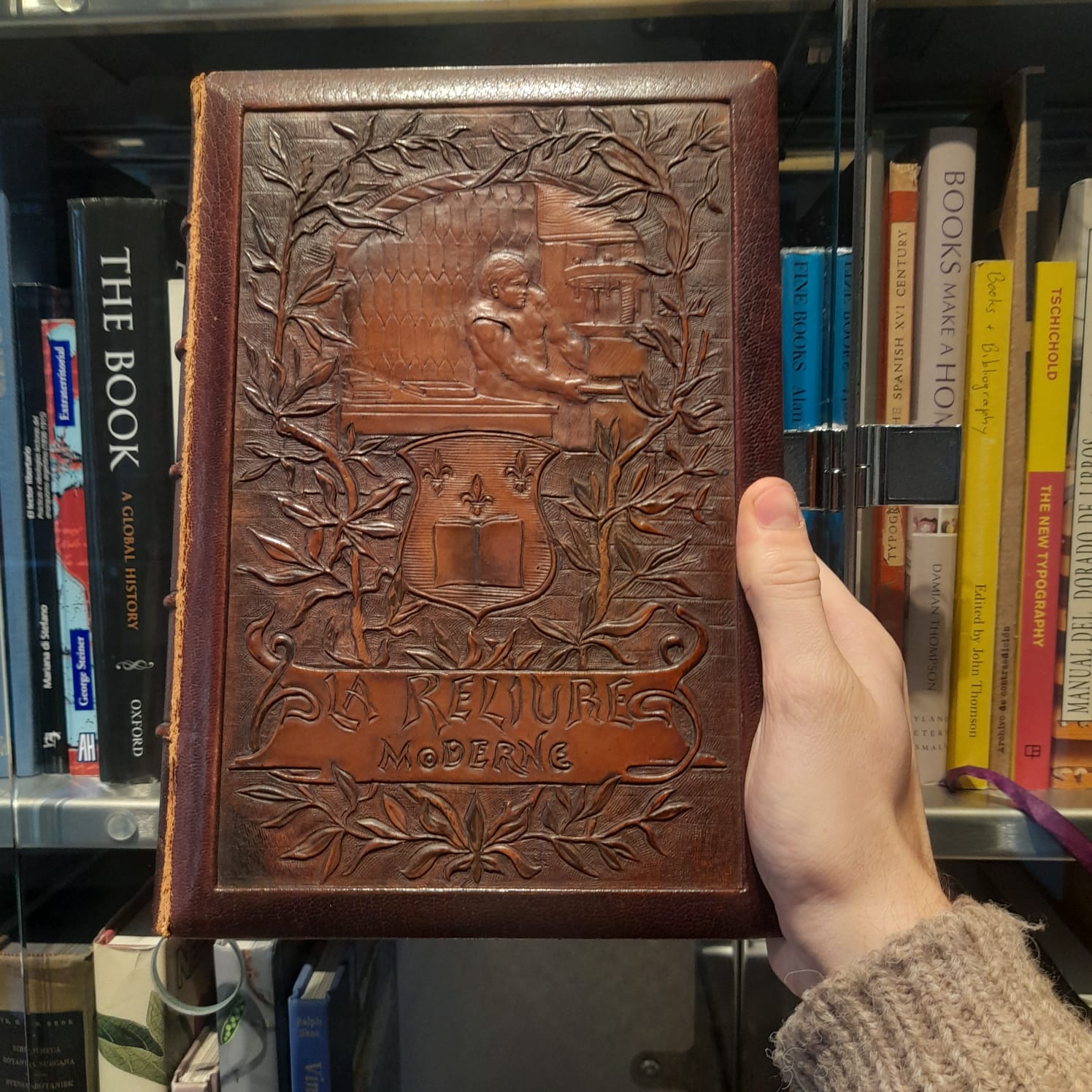
Fig. 8 Artistic binding of La reliure moderne (Uzanne, 1887).
The presence of bibliophilic periodicals in this selection highlights Fernández Blanco’s interest in trends, discoveries and scholarly debates surrounding book collecting. These include the seven volumes of The Fleuron (1923-1930), the complete series of Byblis (1921–1931) and Le Bibliophile Français (1868–1873), each volume bearing the ex libris of Mme Charles de Lacharriére. There are also several yearbooks from the London School of Printing and Kindred Trades, as well as numerous other periodicals, including Bibliofília (1911–1920), published by the prestigious Ramón Miquel y Planas.
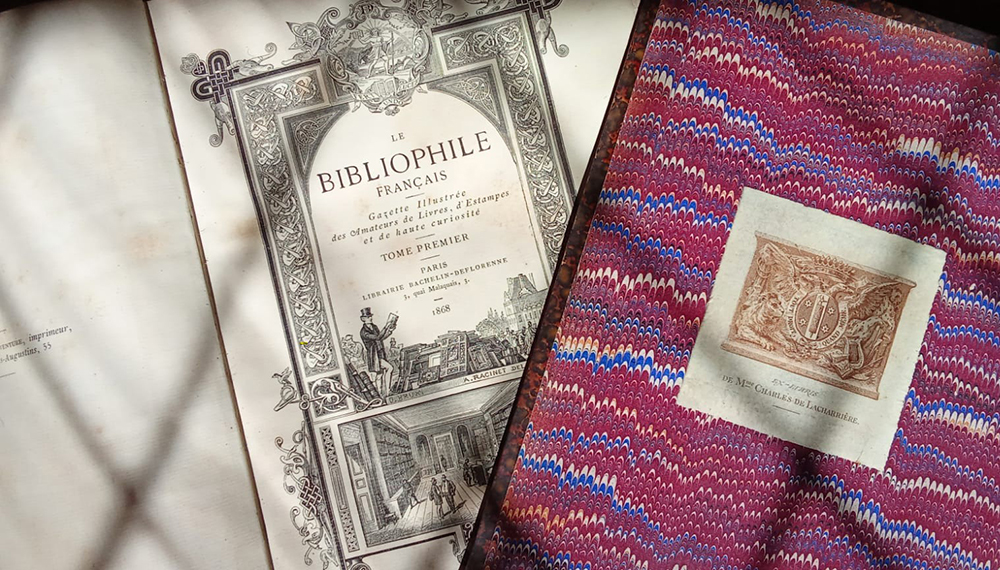
Fig. 9 Le Bibliophile Français, published from 1868 to 1873. Ex-libris of Mme Charles de Lacharriére.
Auction catalogues, particularly those concerning personal libraries, represent a well-populated category within this collection. Compilations issued by firms such as Hoepli, Maggs Bros and Gumuchian served as reliable sources for Fernández Blanco. The catalogue also lists the libraries of renowned bibliophiles such as Édouard Rahir (who was a bookseller himself), Louis Barthou, Giuseppe Martini and Estanislao Severo Zeballos. Fernández Blanco even owned a facsimile edition of the charmingly fictional catalogue of the Count of Fortsas, which was conceived by Renier Chalon to perpetrate a hoax describing an apocryphal and impossible library of unique imaginary books.
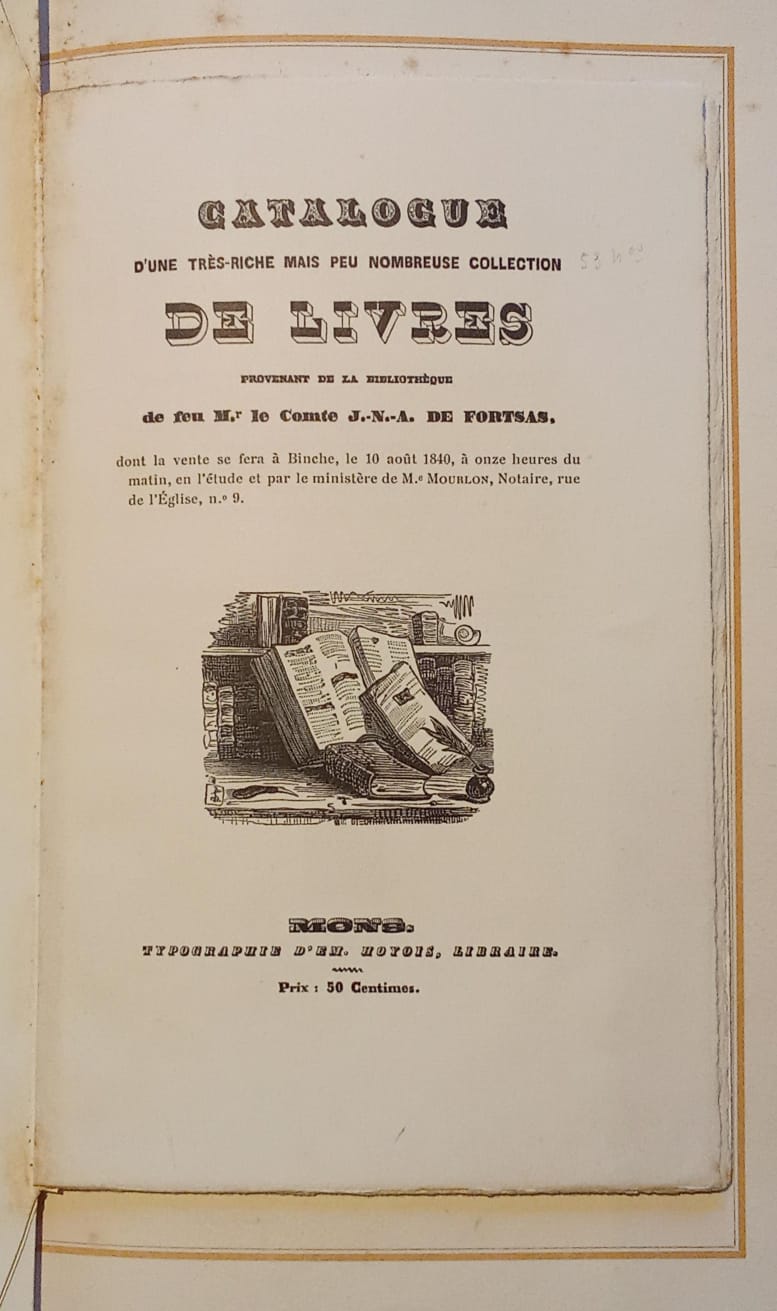
Fig. 10 This is a facsimile of Catalogue d’une très-riche mais peu nombreuse collection de livres provenant de la bibliothèque de feu Mr le comte J. N. A. de Fortsas.
Leaving aside the many rare and curious books, we will conclude our exploration of the founding collections by highlighting one of the most significant pieces in the Colección Fernández Blanco. The oldest and rarest book in the library is the second edition of Gabriel Naudé’s Advis pour dresser une bibliothèque (1644). Regarded as the pioneering treatise on library practices and the construction of a public library, this work is highly significant. Naudé reflects on the roles of utility, knowledge and taste in shaping a library’s collection.
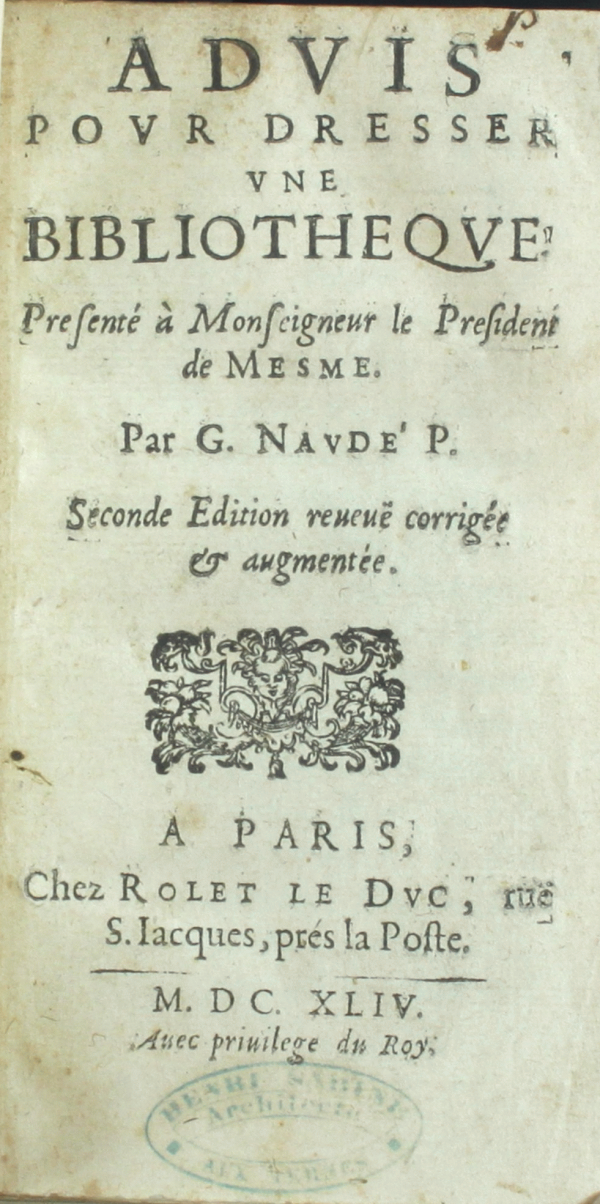
Fig. 11 Advis pour dresser une bibliothèque (Naudé, 1644).
Although the library theorized by Naudé was public and immense, akin to an Alexandrian project, it is reasonable to hypothesize that Fernández Blanco may have been influenced by some of his advice. The presence of this title on his shelves is revealing, as the bookseller may have embraced many of Naudé’s bibliophilic principles regarding the valuation and selection of works, such as prioritizing rare and pioneering productions.
The book becomes even more relevant when we consider the manuscript note affixed to the front cover, which provides a biographical sketch of Gabriel Naudé and offers insight into how Fernández Blanco may have viewed him. It reads: ‘The author of the present work, G. Naudé, was librarian to the celebrated Cardinal Mazarin, for whom — driven by the need to satisfy the bibliomania of the omnipotent dignitary — he purchased every book he could find during his frequent visits to all the bookshops in France’.
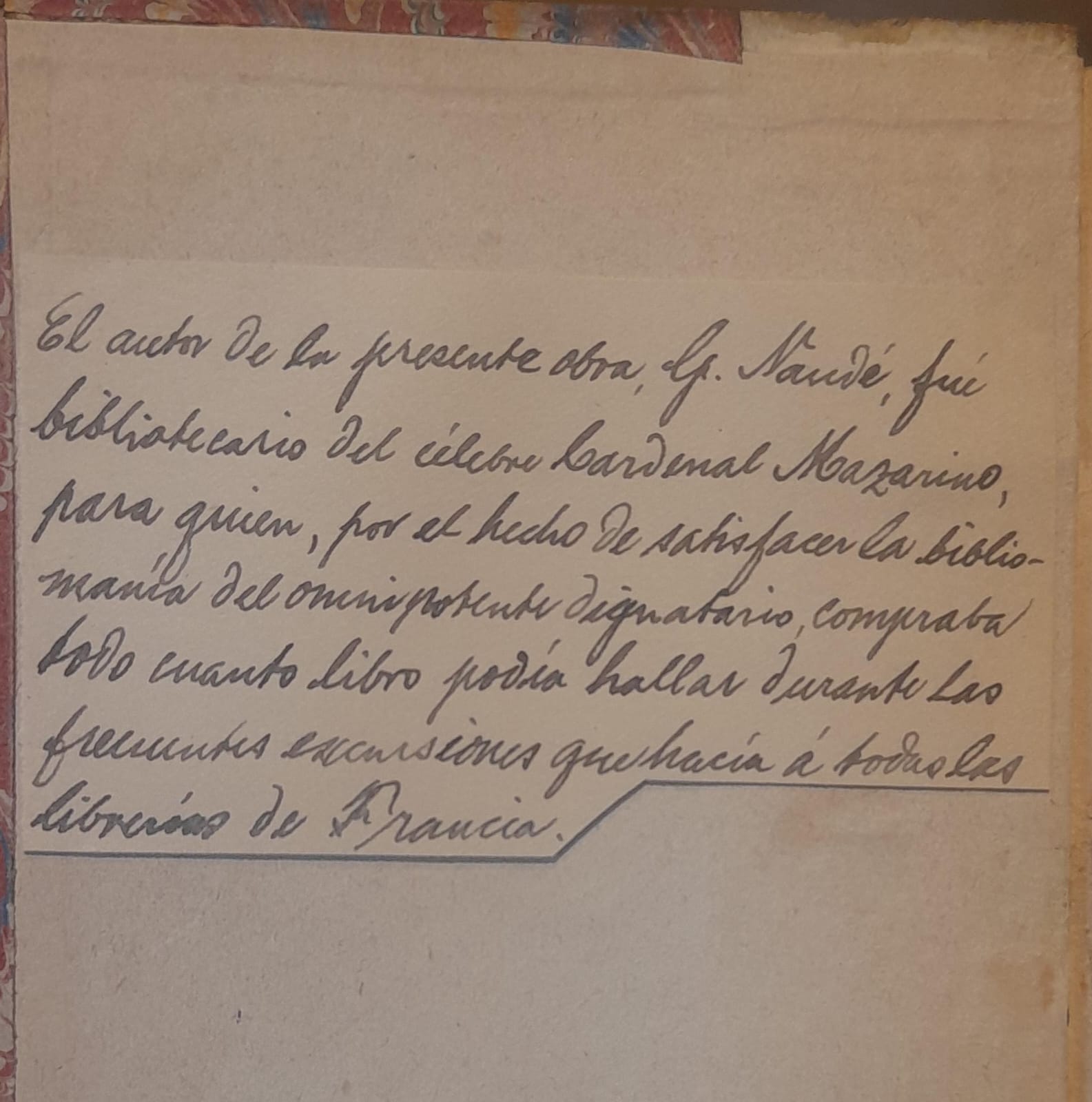
Fig. 12 Manuscript note portraying Naudé.
In conclusion, due to its historical perspectives on library formation, title selection and notions of rarity, as well as the biographical manuscript note presumably added by Fernández Blanco, this copy is the cornerstone of the entire Biblioteca Ampersand.
We invite all readers, scholars, and members of the CERL community to explore our collections. We look forward to welcoming you to our library.
References
- Becu, T. (1940) Catálogo de la exposición del libro, G. Kraft Ltda.
- Bibliofilía, recull d’estudis, observacions, comentaris y noticies sobre llibres en general y sobre qüestions de llengua y literatura catalanes en particular (1911–1920) F. Giró.
- Byblis (1921–1931) Albert Morancé.
- Chalon, R. (1933) [1840] Catalogue d’une très-riche mais peu nombreuse collection de livres provenant de la bibliothèque de feu Mr le comte J. N. A. de Fortsas [Facsimile ed.], E. Baudelot.
- Éxito gráfico: Revista mensual de artes gráficas (1905–1916) Curt Berger y Cía.
- Fournier, P. S. (1745) Modéles des caractères de l’imprimerie, Rue des Sept voyes.
- La noografía: Revista mensual dedicada á la imprenta, á la librería y á las demás artes gráficas (1899–1901) Imprenta Elzeviriana.
- Lamesle, C. (1742) Épreuves générales des caractères qui se trouvent, Place Maubert.
- Le Bibliophile français (1868–1673) Bachelin-Deflorenne.
- Maittaire, M. (1709) Stephanorum historia, vitas ipsorum ac libros complectens (2 vols.), C. Bateman.
- Medina, J. T. (1892) Historia y bibliografía de la imprenta en el antiguo virreinato del Río de la Plata, Museo de La Plata.
- Naudé, G. (1644) Advis pour dresser une bibliothèque: présenté à Monseigneur le Président de Mesme (2da ed.), Rolet le Duc.
- The Fleuron (1923–1930) The Office of The Fleuron; The University Press.
- Uzanne, O. (1887) La reliure moderne: Artistique et fantaisiste, Édouard Rouveyre.
Related articles
by Markéta Kučerová and Vojtěch Šícha, Library of the Czech Academy of Sciences
November 9, 2026